
Unrest and insecurity, why prepare 'preventive peace'
In a fragmented world without global leadership, peace is built by anticipating conflicts, through coalitions based on specific interests and flexible cooperation

It is a time of disorder and insecurity, in which no country or group is capable of providing, or wishes to provide, coherent global leadership. In fact, many govern pieces of the disorder, each according to their own rules. The result is fragmented, selective and often opportunistic governance. And in this context, peace, already difficult in normal times, becomes even more difficult to maintain. Or, even worse, it reverts to being an accepted instrument of international politics.
The United States remains the main actor in the international system. But American power is exercised in a radically different way than in the past: through power relations and threats, not through multilateral institutions and shared rules. China is the only real countervailing power to the United States. But it is not a power exercised to build an alternative order, it is a power exercised to maximise its own interests. Regional middle powers, from Brazil to South Africa, from Saudi Arabia to India, from Nigeria to Turkey, and many other nations exert strong influence in their own regions by bypassing global institutions: they mediate conflicts, sometimes finance militias, provide security or instability according to their own calculations. Europe remains an important economic bloc, but struggles to translate this power into unified geopolitical influence. These medium-sized powers have the ability to influence regional politics but not the ability to reshape the global architecture. It is a local governance of disorder that may be effective on the ground, but is hardly compatible with the idea of a coherent global order. In other words, some medium power manages to be at the table and not end up on the menu. But the real challenge is to define the menu.
There is a further actor that occupies an increasingly central place in the international system and which escapes the traditional categories of geopolitics: the large technology corporations. Not that corporations are new in history: oil companies, defence companies, and multinational trading companies have always had influence over governments and international relations. The difference is not in the nature of the power, but in the nature of the product. Artificial intelligence, data and communication platforms are cognitive infrastructures that pervade every aspect of social, economic and political life, with implications that no oil company has ever had.
However, this sober analysis must resist the temptation of catastrophism. International law is violated and applied asymmetrically, yet it continues to do the invisible work that makes trade, civil aviation, telecommunications, and pandemic response possible. The United Nations is eighty years old and looking it, but the table it keeps open between the world's powerful is worth more than it appears. Cooperation is not dead: it has been transformed. Traditional multilateral forms are weakening, while more flexible agreements, coalitions of countries on specific issues, regional arrangements are growing. One should not be nostalgic for an era that is inevitably over. We need to imagine new ways of working together in a more diverse and complex world.
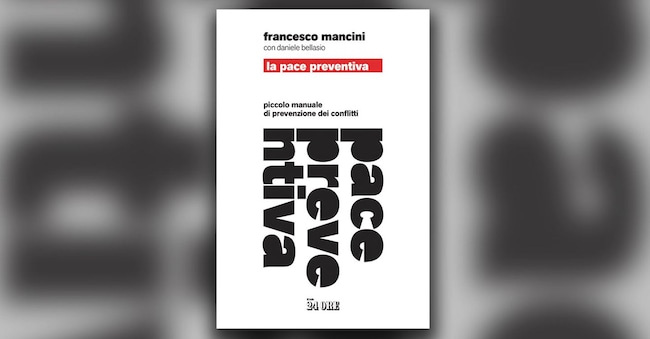
It is here that the book makes a clear argument: the form of cooperation that holds up best in disorder is not one based on the type of government - democracy or not - nor on a uniformity of values. The world is too heterogeneous for that. Coalitions built on specific interests, pragmatic and open, work best. And this is where Asia offers an unexpected lesson. Unlike Europe, which has built decades of integration and predictability, Asia has never had that luxury. During the Cold War it was a chaotic patchwork: American allies, communist bloc, non-aligned, all intertwined in overlapping conflicts. From Vietnam to Korea, from India and Pakistan to Khmer Rouge Cambodia, Asian diplomacies learned to survive without relying on a single protector, always keeping channels open with everyone. This is exactly the skill that the whole world will have to develop in the coming years.

