
US-Iran: tentative negotiations, but possible US attacks. Khamenei: an unrestricted response
Axios reports that talks lasting over 12 hours took place yesterday in Tehran between Qatari mediators and Iranian officials, aimed at averting further US attacks on Iran following the mid-term elections on 3 November

Contradictory signals are emerging from the Middle East. On the one hand, there is the announcement of imminent talks between the Iranians and the Americans; on the other, there are rumours of a new escalation in the region ordered by Washington. The United States has in fact warned its Gulf allies to prepare for a possible new series of attacks against Iran as early as 4 November, the day after the US mid-term elections. This is reported by MS Now (formerly MSNBC), citing three senior officials from the Arab Gulf states with knowledge of the discussions, as reported by Al Jazeera.
According to sources, the attacks are said to be short-lived but particularly intense. The Gulf states are reportedly putting pressure on Washington to ease tensions, for fear of possible Iranian retaliation. One official stated that he ‘would not be surprised’ if some Gulf states opposed the use of US military bases on their territory to launch the attacks. The United States has not struck Iran since 1 September, and President Donald Trump has pledged not to carry out any new military operations before the mid-term elections. When asked about the rumours, a White House official told MS Now: “We do not comment on sensitive military plans that may or may not exist.” Trump, the official added, “keeps all options on the table to ensure that Iran never acquires a nuclear weapon”.
At the same time, the Qatari newspaper Al-Araby Al-Jadeed reports that a US delegation is expected to join Iranian officials for direct talks in Doha: sources are cited following what it described as ‘a breakthrough’ in the indirect negotiations between Washington and Tehran. Citing sources close to the mediation efforts led by Qatar and Pakistan, the newspaper reports that the parties have agreed on preliminary measures concerning Iran’s nuclear programme, navigation through the Strait of Hormuz and financial incentives for Tehran; China and Russia are said to be acting as guarantors of the agreement.
The reported progress follows what Axios describes as a session of over 12 hours of talks, held yesterday in Tehran between Qatari mediators and Iranian officials, aimed specifically at averting further US attacks on Iran following the mid-term elections on 3 November. The Iranian negotiating team is said to have accompanied the Qatari delegation on its return to Doha, where negotiations are set to resume today.
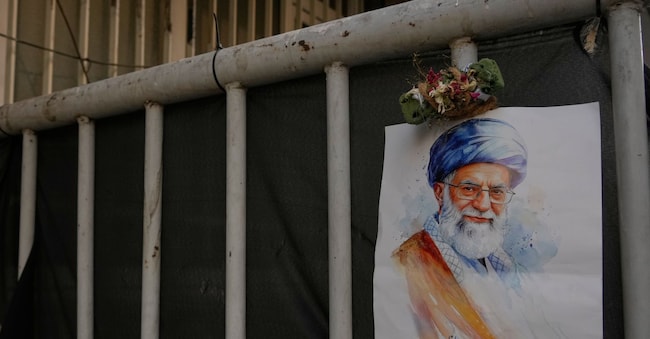
But fears of further attacks are casting a shadow over diplomatic efforts. And Iran’s official spokesperson is using threatening language. Indeed, Iran’s Supreme Leader has warned the US against resuming attacks. In a meeting with senior commanders of the Armed Forces, Mojtaba Khamenei issued orders for an immediate, decisive response ‘without geographical restrictions’ to any enemy threat, according to his website, leader.ir. Khamenei adds that Iran will determine the timing and conditions for the end of any new conflict. ‘All the resources, both material and immaterial, of the American-Zionist enemy must be targeted,’ he added, calling for unity amongst the various groups of the so-called ‘resistance front’.

