
US Supreme Court blocks Trump’s crackdown on postal voting
The court ruling blocks an executive order seeking to restrict postal voting, which would have a significant impact on the electoral process

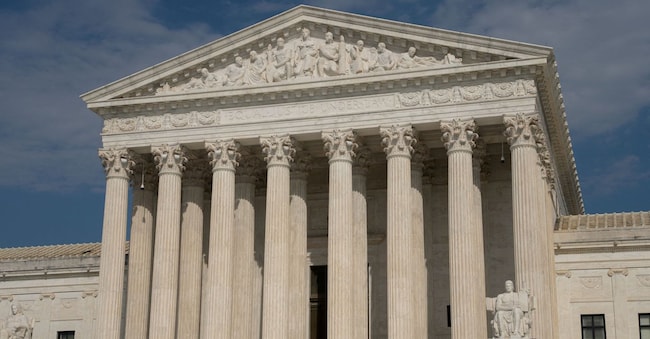
The US Supreme Court has blocked the new restrictions on postal voting proposed by the Trump administration, in a legal battle that is rapidly approaching the mid-term elections on 3 November. District Judge Carl J. Nichols, appointed by Donald Trump during his first term, ruled that the President’s plan ‘likely exceeds the authority granted to the Postal Service by Congress’.
What does Trump’s plan involve?
The executive order issued by the White House – and now suspended by the Supreme Court – requires states to upload their electoral registers to a portal currently being developed by the Post Office. The issue is that, according to a complaint lodged by a federal whistleblower, the system could prevent many voters from receiving their ballot papers.
The Post Office is said to have adopted a ‘zero-per-cent-error’ policy, under which an entire batch of forms could be rejected if even a single barcode checked by an employee did not match the information on the portal. A single batch could contain tens of thousands of forms.
“The Post Office has devised a system to deprive millions of Americans of their right to vote,” said Richard Blumenthal, the Democratic senator for Connecticut, who made the whistleblower’s allegations public. A spokesperson for the Post Office, however, maintained that the system would function correctly. “Americans can be confident that postal votes will be handled securely and delivered reliably,” the spokesperson said.
Why Trump wants to restrict postal voting
The President’s legal battle began months ago. In August, the Supreme Court issued an initial ruling giving the green light to the administration’s directive, whilst today it has been halted. This legal battle highlights the urgency with which Trump is seeking to implement the executive order ahead of the November elections. Traditionally, in fact, Democratic voters have made greater use of postal voting, so restricting this option could benefit the Republican Party.

