
US, divided Senate confirms Warsh as new Fed chairman: term begins Friday
The vote, 54 in favour and 45 against, was the most hard-fought since 1977, when approval of the nomination by the Upper House was introduced

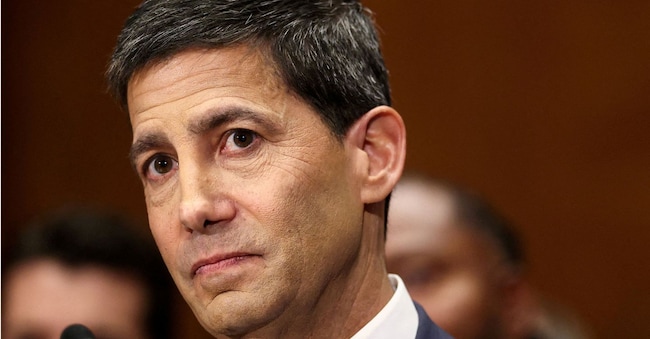
The US Senate officially confirmed Kevin Warsh, President Donald Trump's chosen candidate, to lead the Federal Reserve. But the vote largely followed party divisions and was the most closely contested in history: never since 1977, when the need for Upper House approval to lead the central bank was introduced, has any candidate received less support.
The outgoing chairman, Jerome Powell, never fell below the 80-vote threshold in his two terms. Janet Yellen, before him, was approved with 56 votes but only 26 against, an outcome conditioned by absences due to bad weather.
The result shows all the tensions and divisions shaking the Fed and American monetary policy, in the face of President Donald Trump's campaign to obtain close cuts in interest rates, now considered increasingly unlikely in the face of the recovery of inflation due to his war in Iran. And more generally in the face of his attempts to reduce the powers and independence of the central institution by threatening to prosecute or fire members who obstruct him.
The process of Warsh's nomination, as a demonstration of the controversy, was troubled. His future was in doubt after Republican Senator Thom Tillis of North Carolina declared that he would block his nomination in committee as a form of dissent and protest against the Trump administration's interference. Particularly against the Justice Department's investigation of Fed Chairman Jerome Powell for waste and mismanagement in the renovation of Fed buildings, an accusation seen by most as specious and the result of White House resentment at Powell's resistance to comply with its demands.
The Powell investigation was dropped in April, paving the way for Warsh's confirmation by the Senate thanks to Tillis' green light. Although the federal prosecution has not ruled out reopening it. And Powell has decided to remain on the Fed board, where his mandate, separate from that of chairman expiring on 15 May, runs until 2028, explicitly stating that he is doing so to avert new legal offensives and to protect the entire institution from manoeuvres that would challenge its credibility.


