
Valditara: 420 million for study abroad programmes for 150,000 students
A major plan to strengthen language teaching and internationalisation in Italian schools was presented at the MIM. Prime Minister Meloni said: “The most important mobility programme ever implemented.”

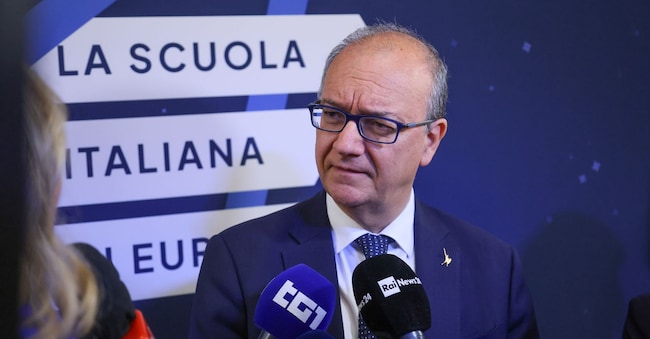
‘The most significant language training and international mobility programme ever launched in Italia for sixth-form students’. With an investment of 420 million euros (from EU funds) to enable 150,000 sixth-form students to live and study abroad. It was presented a short while ago at the MIM by the Minister for Education and Merit, Giuseppe Valditara.
Meloni: an important learning experience
Prime Minister Giorgia Meloni also spoke during the event, stating: ‘These are resources we wish to make available to enable at least 150,000 young Italians to have an experience that we consider particularly important, especially at this time, namely spending a period in a European country, a period of study and training to improve their ability to speak a foreign language and to engage with realities different from their own. True equality really does lie in the starting point, not the destination.”
The plan
As mentioned, the scheme will involve 150,000 fourth-year secondary school pupils from grammar schools, technical colleges and vocational colleges: this represents over 30 per cent, or around a third, of all pupils. “All costs will be covered by the Ministry: travel, living expenses, food and accommodation,” explained Valditara. Students selected to take part in mobility and language enhancement programmes abroad will be identified by schools primarily on the basis of merit-related criteria and the ISEE indicator, to guarantee the right to education and equal opportunities for all students. The funds will in fact be allocated to educational institutions, and it will then be up to the schools, based on these criteria, to select the students who will take part in the programmes.” Alongside the pupils, 15,000 teachers will also be travelling, and they too will have their travel, food and accommodation expenses covered, as well as the possibility of receiving compensation for additional hours worked.
Activities
The standard model is a two-week mobility programme, but longer modules of up to six months can also be organised. What will the students be doing? “Language learning programmes and integration programmes in local schools,” Valditara added. “In short, not just foreign language lessons, but sometimes also joining classes to study subjects alongside foreign classmates – subjects such as history, maths and science. This involves developing and taking part in workshop activities, participating in educational innovation workshops and group project work, as well as company and institutional visits and meetings with experts. It even includes university-style programmes, intensive language courses, mini-university courses, and meetings with scientists and specialists.”

Brand connect


Newsletter Scuola+
La newsletter premium dedicata al mondo della scuola con approfondimenti normativi, analisi e guide operative
Abbonati