Flexible boundaries: how to transform your home without knocking down a wall
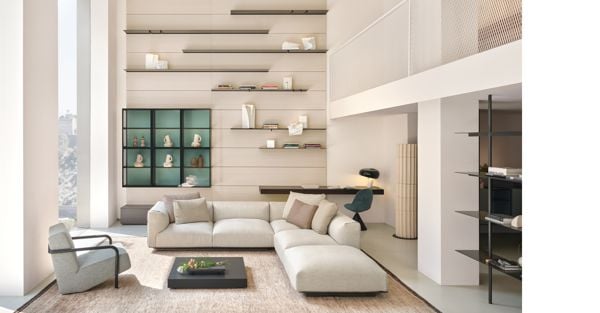
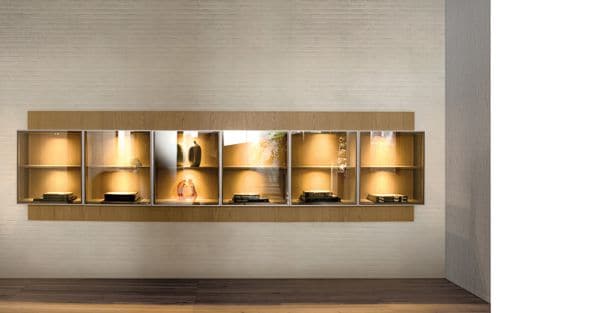
Optical illusions, concealed shelves, textile patterns, structures and movable panels: decorating walls fulfils the desire to maximise space and to accommodate the desire for change whilst maintaining stability.

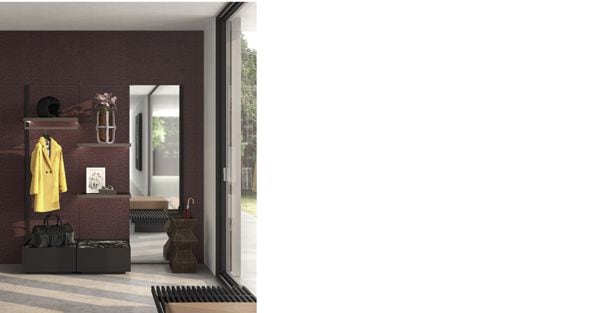
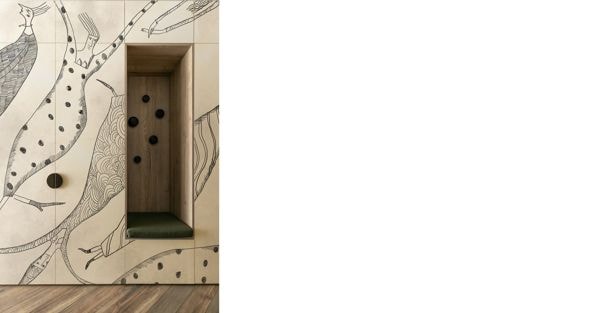
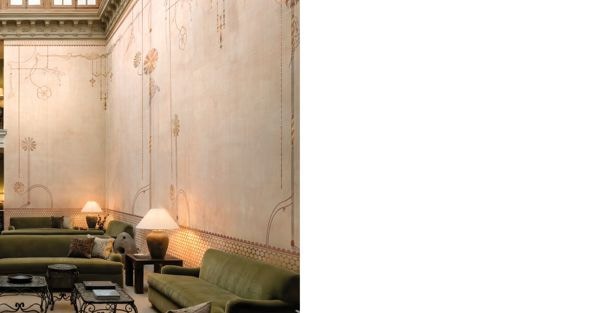
Orsola Clerici, an interior decorator and restorer, has always been convinced of the expressive potential of walls. Together with Chiara Troglio, she founded Pictalab in Milan, a studio specialising in decorative painting for the home. ‘Can you tear down a wall with a paintbrush?’, she asks; the answer is, of course, yes. Pictalab has done just that in historic villas, city flats and country homes, as well as in shops, museums and restaurants. The decoration is bespoke, designed to make the space feel larger and enhance the well-being of those who live there. ‘We use a variety of techniques, materials and solutions: frescoes, hand-painted wallpaper, printed wallpaper and panels. It’s like wearing a beautiful outfit: it changes the way we perceive ourselves and the way others see us,’ explains Clerici. “Decoration has enormous transformative power: it’s very effective in the dining room, where we spend time sitting, but also in the entrance hall – the home’s calling card – or in the corridor, a space that’s often overlooked. Let’s not forget the ceiling, one of the largest and least utilised spaces. Even just a single colour can completely change its appearance, and a single shade can be so many things: sheer, rich, glossy, matt, textured, saturated.”
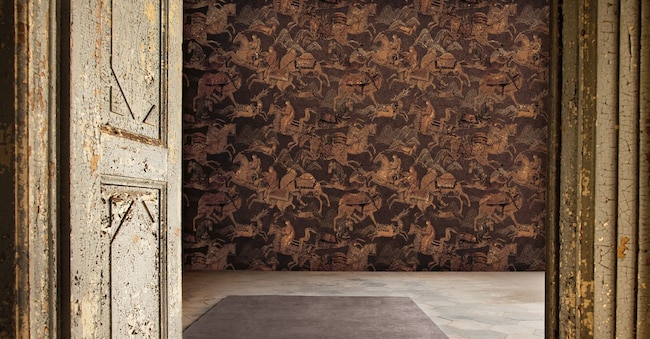
After a period of waning popularity, wallpaper is now taking centre stage in interior design, becoming increasingly innovative in terms of performance, texture, printing techniques and colours. When textiles and wallpaper come together, the harmony is complete: a synergy in which brands are investing with growing attention. This is the idea behind ‘Silk Road’, the latest collection from Fischbacher 1819, inspired by the impressions gathered by Camilla Douraghy Fischbacher, the brand’s creative director, during her travels in Asia. The symbol of the collection is ‘Turan’, featuring a motif of horses and horsemen: ‘Its name comes from the ancient steppes of Central Asia; the theme is inspired by a 7th-century fresco I saw in a museum in Tajikistan,’ she explains. ‘It depicted a woman dancing, riding a horse and drinking wine, fully integrated into society.’
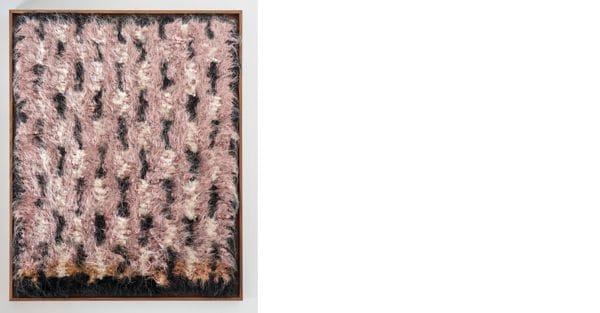
It struck me as a representation of freedom. We have reproduced Turan’s motif both on fabric for home furnishings and on wallpaper, to give that image a lasting presence: the fabric moves, whilst the wall remains still, highlighting the rhythm of the design and its details. ‘Developing the same motif on fabric and on paper means giving a single idea two ways of existing in space: one more intimate, the other more architectural,’ he adds. Even carpets are taking over the walls, when they are transformed into tapestries with the dignity of works of art.
This transition has guided Amini in the production of ‘Woven Forms II’, a series of nine artistic rugs designed to be displayed vertically, created by internationally renowned artists and designers. Unveiled during Milan Design Week, Woven Forms II is the second instalment of a collaboration between the Italian carpet manufacturer and R & Company, a prestigious New York-based art and design platform. ‘With this series, we want to reaffirm that the rug is much more than a functional object,’ explains Ferid Amini, the brand’s CEO. ‘It is a form of textile art capable of embracing and interpreting the vision of artists and designers.’
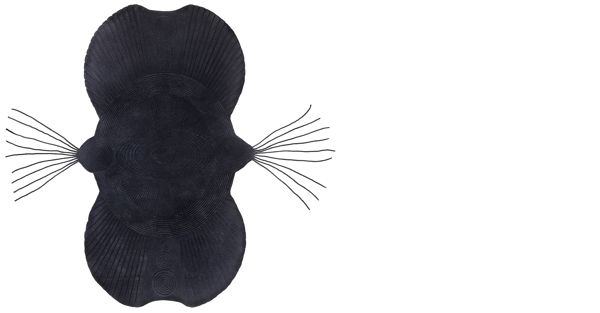
‘It is a means of conveying messages that are always powerful, and at times uncomfortable – just as art can and must do. Hanging it on the wall is a natural progression: the carpet is no longer merely a surface to walk on, but a work of art to be observed and listened to.’ Among the artists involved are the Romanian Serban Ionescu, who interprets motifs drawn from folklore and traditional textiles, the American activist Roberto Lugo, with a powerful tapestry depicting the rescue of migrants at sea, and the South African artist Zizipho Poswa, with an entirely black rug inspired by African women’s hairstyles and their symbolism. Each work reveals multiple layered stories: every artist has not only provided the idea to be transferred onto fabric, but has also grappled with the materiality of the threads, the colours and the weaving techniques. For the artisans of Amini, based in India and Nepal, this was a challenge that raised the bar for their skills.