
Veneto villas antidote to overtourism, the system is worth 630 million
A diffuse heritage: 53.6 per cent is located in municipalities with less than 20,000 inhabitants with 29,800 employees
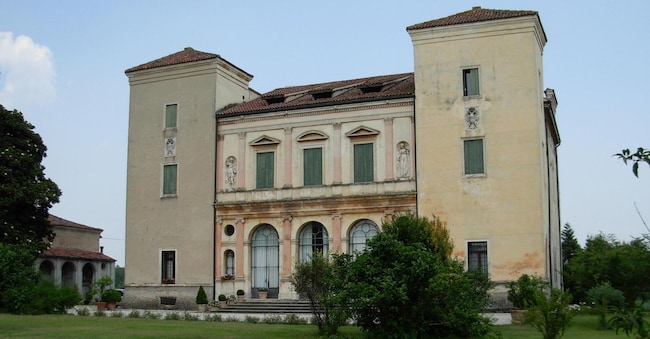
A natural antidote to the phenomenon of over-ourism. In a tourism system characterised by a high concentration - with 75% of arrivals distributed over just 13% of the national territory and with the Province of Venice accounting for only 0.8% of the Italian surface area but receiving around 8% of total tourist arrivals - the Ville Venete are proposed to promote a more widespread and sustainable tourism.
The system
There are a total of 4,243 villas surveyed in the Veneto and Friuli Venezia Giulia regions, which were built between the 15th and 18th centuries and are now widely distributed throughout the territory. According to the study "Ville Venete Re-Birth", carried out by TEHA and promoted by the Association for Venetian Villas, presented at the "1st National Forum on Heritage Tourism and Unesco Heritage, Ville Venete Re-Thinking", the system as a whole generates over 360 million euro in turnover and 210 million euro in direct added value, which becomes about 630 million euro (again in terms of added value, i.e. production value minus intermediate consumption costs) considering the indirect and induced effects along the economic chain.
53.6% of the villas are located in municipalities with less than 20,000 inhabitants: of these, almost 30% are located in municipalities with less than 5,000 inhabitants and 13.4% in municipalities with less than 2,000 inhabitants. The territorial distribution shows a higher concentration in the provinces of Treviso (21%), Vicenza (18%), Verona (18%) and Padua (17%).
Numbers and impact
The analysis measures the economic and social contribution of this heritage in a systemic way, introducing the concept of the 'GDP of beauty': a wealth born from the integration of culture, territory and production activities.

