
Venezuela, Parliament unanimously approves amnesty law
The measure was presented at the end of January by Acting President Delcy Rodríguez
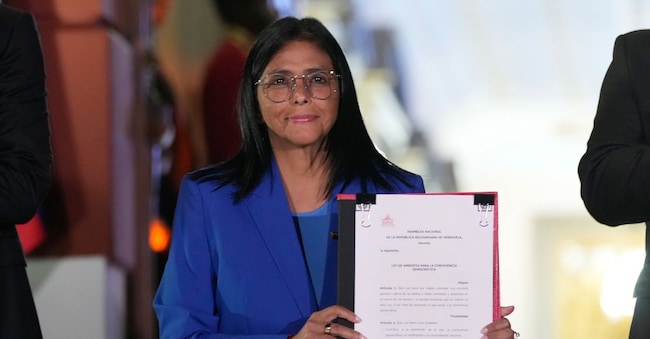
The Venezuelan Parliament unanimously approved the Amnesty Law for Democratic Coexistence in second and final reading, following a long mediation between the Chavista majority and the opposition minority. The go-ahead comes after a series of shared amendments that broke the deadlock registered last week. The measure, presented at the end of January by interim president Delcy Rodríguez, aims to promote national reconciliation and concerns people tried or convicted for crimes related to political events, from the attempted coup in April 2002 until the end of 2025.
The final text of the amnesty law approved by parliament today was expanded from 13 to 16 articles. Among the most controversial passages is Article 7, reworded and unanimously approved, which allows exiles to regularise their position through a prosecutor or lawyer, preventing judges from ordering arrest once proceedings have begun. Article 8 also extends the amnestible events to 13, explicitly excluding military rebellion.
Loading...
Article 9, on the other hand, defines offences excluded from the benefit, including serious human rights violations, voluntary murder, drug trafficking, corruption and foreign armed actions against national sovereignty. Opposition MP Nora Bracho expressed reservations about the final text, although she acknowledged that the law would 'mitigate the suffering of many Venezuelans'. Her colleague Pablo Pérez called for the inclusion of trade unionists arrested for labour protests and prosecuted under the anti-hate law, a request rejected by the president of the parliament, Jorge Rodríguez, who announced the examination of individual cases by a special monitoring commission. The law will come into force after its promulgation and publication in the Official Gazette, in the new political context opened up after the capture and extraction of Nicolás Maduro and his wife Cilia Flores on 3 January.
Copyright reserved ©


Brand connect
Loading...
