
Venice, stop open-and-close shops in the historic centre: -83% of closures
First positive effects of the 'anti-paccottiglia' resolution made final in May: monitoring by the Venice City Council shows a fall in closures and over 200 new openings in the protected areas of the historic centre

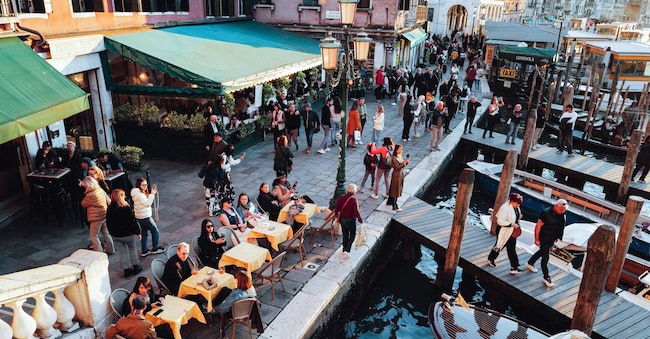
Closures of neighbourhood shops are down by 83 per cent: this is the first figure that jumps out at you when you look at the monitoring conducted by the Venice City Council on the effects of Dcc 26/2022, the so-called 'anti-business' resolution that introduced measures to regulate commercial and artisan activities in some areas of the historic centre for the purpose of protecting and enhancing the cultural heritage.
The administration has long been looking for ways to intervene on open-and-close activities and counteract commercial desertification, which is inextricably linked to tourist exploitation. Introduced in the post-Covid with a three-year trial phase, the measure was made definitive in May 2025: the establishment of 'food retail', 'craft/industrial production', and 'food preparation and/or sale' activities is prohibited, unless they are neighbourhood activities such as butcheries, fishmongers, agricultural products, bakeries and so on. Also prohibited are activities that do not involve the presence of staff, such as laundromats or vending machines.
Not only: existing shops are obliged to adapt the aesthetic/visual impact of the merchandise display to the urban context. Among the measures envisaged, for example, is a ban on displaying products outside the shop.
Results
"At the beginning, they told us that no one would come to open in Venice any more,' says the municipal councillor for trade and productive activities, Sebastiano Costalonga, 'but gradually the traders have arrived, many of them very young artisans. We've given a good thrashing to the system of open-and-close shops, which in a tourist country like ours is depopulated, making unfair competition to those who instead work to stay in the area'.
And now, a few years after the measure, the results are coming in: 222 new businesses have opened in this experimental phase, mainly high-end fashion and artistic handicrafts, followed by art objects and bookshops. Moreover, in the entire historic centre, 71% of the new openings took place in protected areas.

