
The House of Commons has given the green light to the voluntary repatriation decree: it is now law. Here’s what’s changing
The Chamber of Deputies has approved the Repatriation Decree. The provision on fees for lawyers representing foreign nationals participating in assisted voluntary repatriation programmes has been amended
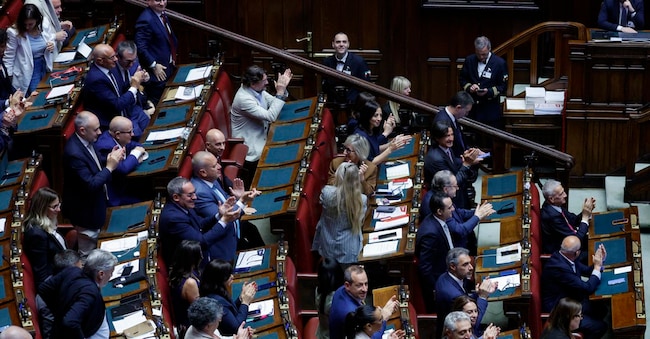
The Chamber of Deputies has given the green light to the decree on assisted voluntary repatriation, which had already been approved at first reading by the Senate without any amendments. The ‘Security Decree-bis’ or ‘Repatriation Decree’ amends a previous decree-law which, following discussions with the Quirinale regarding the constitutionality of its provisions, had been deemed necessary to amend.
The main aim was to amend the provision contained in the first measure, which provided for an incentive for lawyers representing foreign nationals who had voluntarily agreed to the repatriation procedure.
The incentive scheme for lawyers
The original measure, in fact, introduced a payment of 615 euros – to be paid once repatriation had taken place – for the legal representatives of those who had taken part in an assisted voluntary repatriation programme. The decree also referred to cooperation with the National Bar Council (CNF).
It was the CNF itself that had strongly criticised the provision. Indeed, in the text of the Security Decree-bis, all references to the National Bar Council have been removed from the list of bodies authorised to collaborate with the Ministry of the Interior on the implementation of repatriation plans.
Furthermore, in the new text, the payment provided as an incentive for voluntary repatriation – which remains at around 615 euros, equivalent to the financial contribution for immediate needs – is allocated to the ‘authorised representative who has assisted the foreign national in submitting an application to participate in an assisted voluntary return programme’ rather than to the ‘authorised legal representative’ as provided for in the original Decree-Law.

