
European Parliament gives the green light to the repatriation of illegal migrants
In particular, it will be possible to open detention centres in third countries and to detain a person subject to a return order for two years
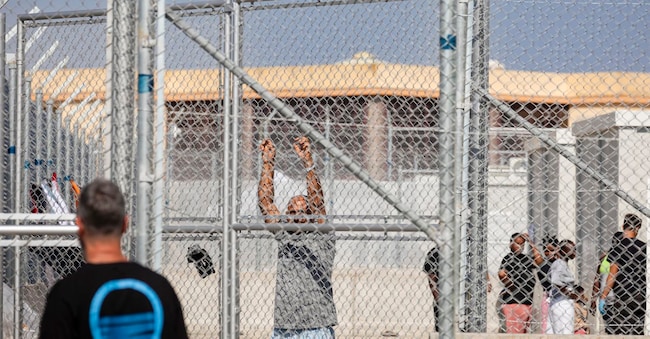
The European Parliament has given its final approval in Strasbourg to a new European regulation designed to facilitate the return of third-country nationals who do not have the right to reside in the EU.
The legislation, part of a clear crackdown on immigration, was approved by 418 votes in favour, 218 against and 30 abstentions. Among other things, it will be possible to open detention centres in third countries and to detain a person subject to a return order for up to two years.
Meloni: a historic green light – this is the path of the Albanian model
“Today, Italia has achieved a major success in Europe. The European Parliament has approved the new European regulation on returns, a historic measure resulting primarily from the work of the Italian government, which allows us to swiftly return those who are not entitled to remain in the European Union.” So said Prime Minister Giorgia Meloni in a video posted on social media, recorded whilst she was in Evian for the G7 summit.
‘The regulation also provides, amongst other things, for the possibility of opening repatriation centres in third countries, thus effectively following the path paved by the Italian government through its protocol with Albania – an innovative solution that the Italian and European left have tried to oppose in every way, but which, thanks to this government, has now become a tool available to the whole of Europe.”
European bishops: ‘Deep concern over restrictions on repatriation’
The Commission of the Bishops’ Conferences of the European Union (COMECE) expresses “deep concern regarding certain aspects of the new regulatory framework which risk undermining the effective protection of the fundamental rights and dignity of vulnerable people. In particular, the extension of detention, restrictions on appeals and effective appeal procedures, and the increasing outsourcing of responsibilities to third countries raise serious ethical and humanitarian issues’, the bishops state, referring to the new rules approved in Europe on the return of migrants.
Criticism from humanitarian organisations
Both measures are a response to the likely decision by the country of origin to refuse the return of its own citizen. That said, the measures have drawn criticism from a number of humanitarian organisations. Silvia Carta, a director at the non-governmental organisation Picum, commented: ‘Once passed, this law will lead to the separation of families and the detention of adults and children, who will then be repatriated to countries they do not even know.’

