
Victims of crime: the EU Commission’s campaign on rights and support gets underway
The ‘Keep Your Eyes Open’ initiative aims to raise awareness of this issue amongst Italian citizens and to provide victims with a support network

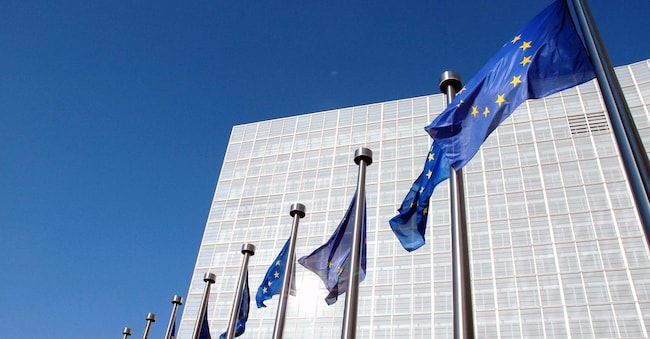
To raise public awareness – and in particular amongst the younger generations – of the rights of victims of crime in Italia and of the support and assistance available. This is the aim of ‘Keep your eyes open’, the new information campaign launched to coincide with Rome Future Week, which, from yesterday until 27 September, will shine a spotlight on the themes of the future, innovation, sustainability and inclusion.
The objectives
Stemming from the European Strategy on Victims’ Rights, which aims to ensure the fullest possible promotion and protection of victims’ rights – and which the Commission intends to extend into the next term of office – the campaign emphasises the need to come to terms the reality of crime in Italia, addressing primarily victims, family members and close friends, and, more generally, urging all citizens never to look the other way.
‘Crimes can have profound and lasting effects on victims. They must be listened to, supported and treated with respect and fairness throughout their journey through the criminal justice system. This requires robust legislation and policies, together with the active involvement of society as a whole, to ensure that victims’ rights are effectively protected”, explained Michael McGrath, European Commissioner for Democracy, Justice, the Rule of Law and Consumer Protection.
Beyond its purely educational purpose, ‘Keep Your Eyes Open’ also aims to encourage citizens ‘to build a supportive community around those affected’, drawing on the idea that, according to McGrath, ‘remaining vigilant and raising awareness are important steps towards strengthening protection, support and justice’ for those who have suffered (more or less) serious harm.
Low awareness amongst young people
To highlight the value of the initiative – which, in order to be as far-reaching as possible, will combine on-the-ground awareness-raising activities, a social media presence, partnerships with the media and direct engagement with all stakeholders – is a study conducted prior to its launch by the European Commission on a sample of young Italians aged between 18 and 30, to assess their level of awareness of the issue, the extent to which they were informed about support services and the options available for reporting offences.

