
Villas, foreign demand presses on values and sales
Tax incentives, digital nomads and a boom in tourism are revitalising the market for valuable independent properties throughout Italy: it is estimated to have grown by at least 5-7% last year
3' min read
3' min read
A month ago, the sale of Villa Romazzino, on the Costa Smeralda, to the under-40 US cryptocurrency tycoon Brendan Blumer caused a sensation: EUR 160 million. A record never before set in Italy.
The latest news is instead the purchase, again in Sardinia, by Richard Widmaier Picasso (grandson of the famous painter) of the villa in Villasimius owned by Renato Soru: 450 square metres and 42 hectares of land. Sale price, around 15 million. Thirty years ago, the market for luxury villas was concentrated in Tuscany, in the famous Chiantishire. A limited offer, then gradually extended to other areas of Tuscany.
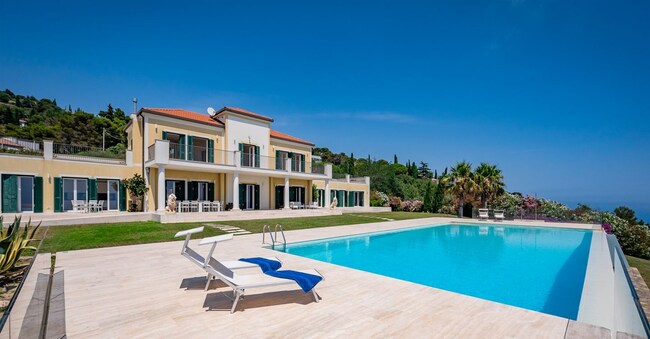
Today - thanks to the combined effect of foreign tourism, which has grown after the pandemic, flat tax for the super-rich, smart working by managers and high tech profiles (facilitated by the new rules on visas for digital nomads) and buying and selling unencumbered by mortgages and interest rate restrictions - the real estate market for villas (prestigious, rural or contemporary, to which trulli, masserie and, to a lesser extent, even a few castles have been added over the years) has grown enormously, both in terms of purchase and rental.
Difficult, however, to estimate. Few numbers photograph it. Since many of these buildings are not properly stacked, it is difficult to monitor the exact size and value of the purchases and sales of a market, albeit a niche one, that is certainly growing.
According to Scenari Immobiliari - which has tried to make an estimate - in 2024 sales should have grown by at least 5-7% over 2023. As Kate Everett-Allen, head of European residential research in Knight Frank's latest Italian Homes, reminds us, "in addition to the flat tax for the super-rich, for non-EU residents with a highly qualified job there is the 'digital nomad visa' that allows them to stay in Italy even longer than 90 days, proving they have an income of at least 28,000 euro.
Together with the flat tax, tax breaks and hybrid work, this will stimulate a surge of interest in the premium market in Italy. Little does it matter that the 'flat tax' introduced in 2017 (actually a flat tax), has increased from €100,000 to €200,000. The convenience remains for large estates.
Brand connect


Newsletter RealEstate+
La newsletter premium dedicata al mondo del mercato immobiliare con inchieste esclusive, notizie, analisi ed approfondimenti
Abbonati