
Databases, Viminale rewrites police identification
A code links personal information on convictions, criminal records, biometric traits, tax and Schengen. Roadside checks with mobile devices used by the State Police, Carabinieri and Guardia di Finanza
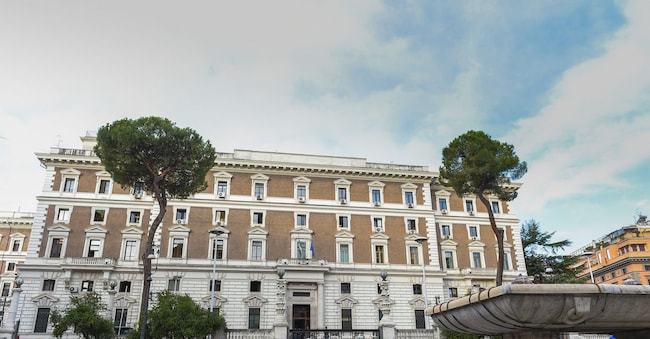
For years, when a person came within the radius of law enforcement, identifying them meant chasing them through different files. One identity, multiple verifications. Now the Ministry of the Interior is trying to break this complex logic by using one code. Just one.
It is called Cui, Unique Identification Code. It is the key destined to connect, at the same instant, all that the State knows of a person: personal data, fingerprints, DNA, biometric profiles, police records, measures of the Judicial Authorities, of public security and prefects. No longer separate archives. But a recomposed identity, which can be interrogated from different points and updated at each new operation.
Police-One Project
This is the heart of Police-One, the major restyling of the inter-force databases coordinated by the Department of Public Security, with a strategic role entrusted to the Central Directorate of the Criminal Police. It is not a simple computer upgrade, but an attempt to redesign the identification machine: faster and more integrated, less exposed to the fragmentation that for years has forced police, carabinieri and Guardia di finanza to chase the same person within different systems.
The problem is that years of layered development have produced an increasingly heterogeneous information architecture: platforms that are close to the end of their lifespan, monolithic components that are difficult to update, non-homogeneous integrations. Police-One was created to bring order to this complexity.
The project, implementing the Prüm II Regulation, is worth 82.7 million euro: 50.5 million comes from the complementary Operational Programme 'Legality' 2014-2020, 22.7 million is borne by the Viminale, another 9.4 million covers routine maintenance with funds from the administration.

