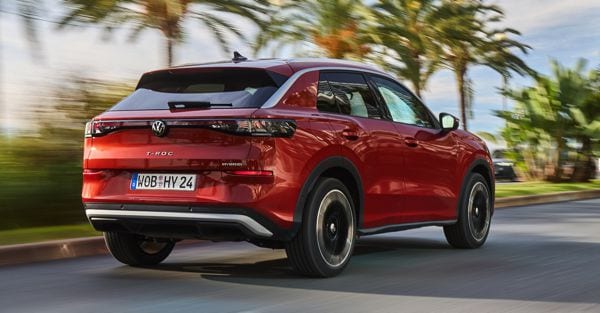
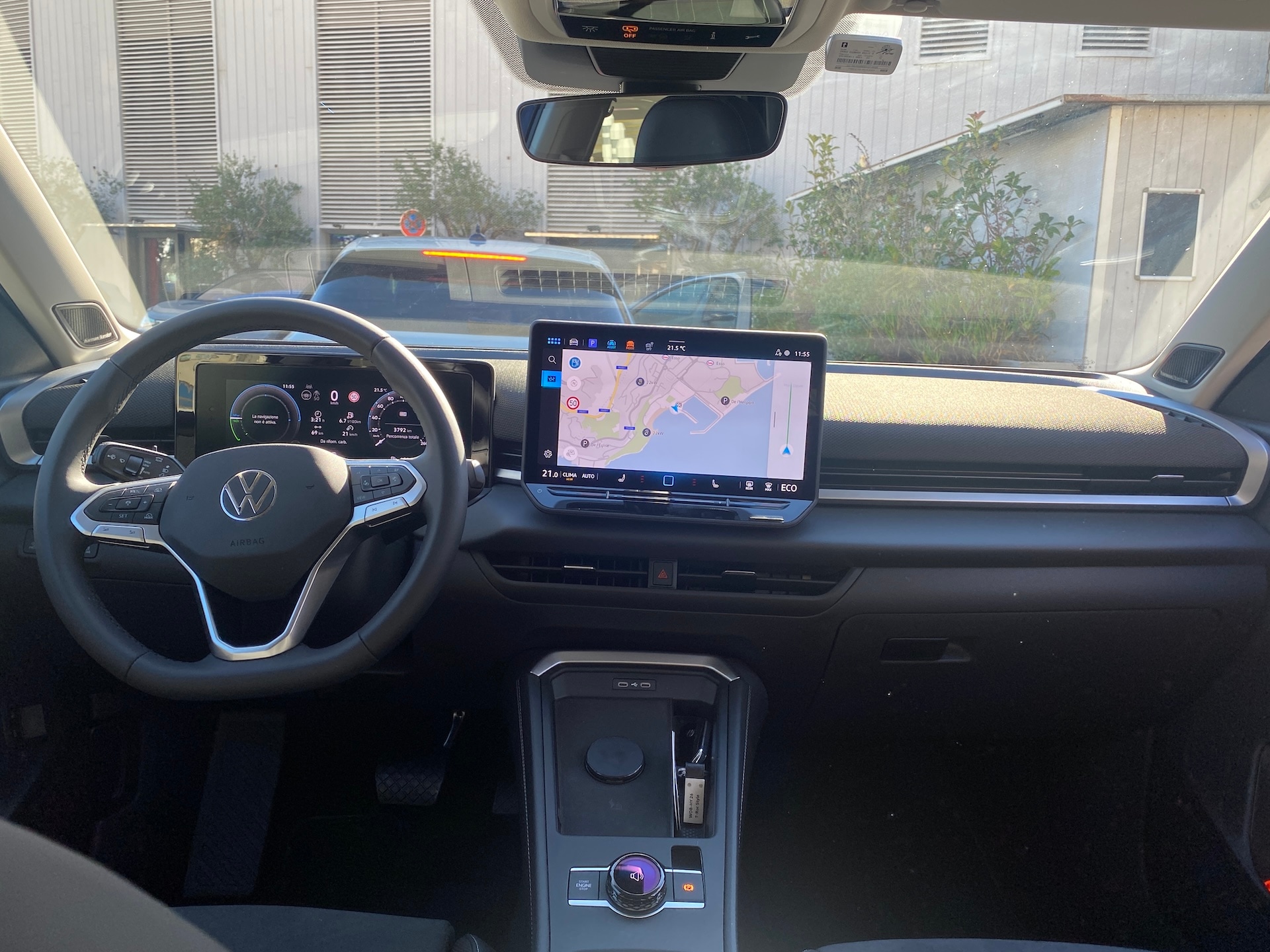
Volkswagen T-Roc Hybrid: our test drive of the full-hybrid SUV that arrived a little late
The new version, available in two power variants, joins the 48-volt mild-hybrid models, featuring a technology that has proved successful and which the German group had first introduced a decade ago but subsequently underestimated and then neglected for a long time

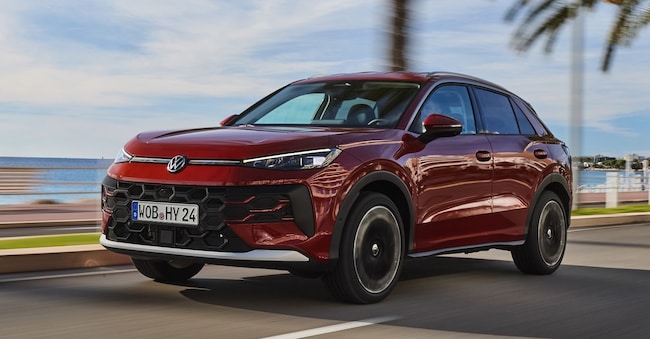
Key points
- Volkswagen T-Roc Hybrid: a three-motor system offering two power outputs
- The Volkswagen T-Roc Hybrid doesn’t stand out much from the rest, but it has a small boot
- Volkswagen T-Roc Hybrid: it goes a long way on electric power, but when it switches to hybrid mode, you really notice it
- Volkswagen T-Roc Hybrid: trim levels and prices
The Volkswagen Group’s second full-hybrid powertrain – following the one offered for just a couple of years on a Jetta sold in only a few markets a decade ago – is making its debut in the Golf and T-Roc SUV ranges. Dubbed ‘Hybrid’, these models are the flagship examples of the German group’s strategic shift, but they arrive rather late in the day given the popularity enjoyed so far by full-hybrids from other manufacturers, particularly Toyota and the Hyundai-Kia group, to which models from Chinese brands are now being added. This technological gap has hampered sales of the Volkswagen Group’s brands in high-volume segments such as the compact and mid-size car markets, contributing to the crisis from which it is attempting to emerge through a radical overhaul of its industrial and commercial vision.
Volkswagen T-Roc Hybrid: a three-motor system offering two power outputs
The system – which, as is easily predicted, will be rolled out to other brands within the Volkswagen Group – comprises a 1.5-litre supercharged engine producing 150 cavalli, based on the Miller cycle and featuring a variable-geometry turbocharger, an electric drive unit producing 115 cavalli and another unit acting as both a starter and a power generator. The system does not use a dual-clutch gearbox, such as those found in the Hyundai-Kia group, but a single-speed transmission inspired by that of Toyota’s full hybrids, which allows the electric units and the internal combustion engine to interact via a clutch. In the MQB Evo architecture on which the T-Roc range is based, the positioning of the full-hybrid system’s components slightly alters the weight distribution. In fact, beneath the rear seats, the battery takes the place of the fuel tank, which has been relocated beneath the boot floor.
Depending on driving conditions, speed and the vehicle’s Eco, Comfort or Sport settings, the electronic control system activates the powertrain operating mode it deems most appropriate. Electric mode up to 60 per hour or until power exceeding 20 cavalli is required, with the petrol engine deactivated; the series hybrid operates predominantly in electric drive mode but with the 1.500 petrol engine powering the generator to charge the NCM-chemistry battery, which has a net capacity of 0.64 kWh, to maximise zero-emission driving; and the parallel hybrid, with the petrol engine connected to the front axle and supported by the electric motor’s boost.