
Von der Leyen: 'The time has come for Europe to fight for its independence'
In a State of the Union address, Ursula von der Leyen outlined a strategy that includes new efforts in defence, energy and the economy.
From our correspondent Beda Romano
 Aggiungi Il Sole 24 Ore
ai preferiti su Google
3' min read
3' min read
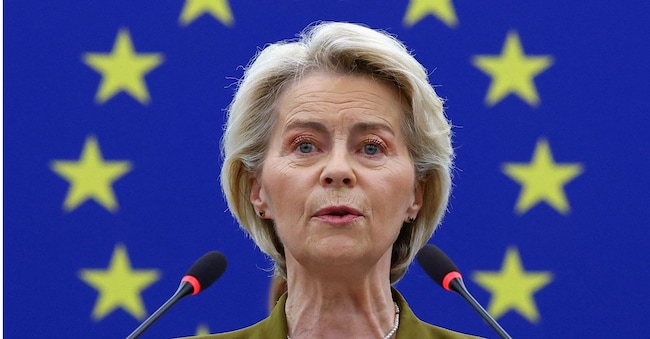
STRASBOURG - In an increasingly uncertain and dangerous international context, the President of the European Commission today, Wednesday 10 September, launched an appeal for unity among the EU institutions: "The time has come for Europe to fight for its independence". In a speech on the State of the Union, Ursula von der Leyen outlined a strategy that includes new efforts in defence, energy, and the economy.
"Our Union," explained the President in a speech that was interrupted by numerous applause from MEPs in plenary here in Strasbourg, "must be able to take care of our defence and security; to take full control of the technologies and energy sources that will fuel our economies; to decide what kind of society we want to live in; to allow us to be open to the world, but also to choose partnerships with old and new allies.
The political context
.On the frontline of the Russian war in Ukraine, the European Commission intends to use the cash in Russian accounts in Europe to lend money to Kiev, which will 'repay the loan only after Russia has paid reparations'. At the same time, the EU intends to enter into an alliance with Ukraine to build drones, with an initial injection of six billion euros. The aim for Europe should be to help Kiev increase production and to benefit from the Ukrainian know-howUkrainian .
The announcement came after the Polish authorities overnight announced Russian drone attacks on their territory. Prime Minister Donald Tusk explained that he was in permanent contact with NATO Secretary General Mark Rutte, and that he had put Polish police forces in some regions of the country on high alert. Expressing 'full solidarity with Poland' in the chamber, Mrs von der Leyen was greeted with a standing ovation.
In her speech, the President of the European Commission also addressed the delicate relationship with Israel. After wavering for months, Brussels announced more drastic measures against the Jewish state because of the war in Gaza: 'We will present two new proposals to the Council. We will propose sanctions against extremist ministers and violent settlers. We will also propose a partial suspension of the Association Agreement with regard to trade issues'.


