
Voting for out-of-town students, the Senate tries the sprint
On Wednesday, 7 January in the Constitutional Affairs Committee, the proposed law provides for online applications 35 days in advance and postal seats
Key points
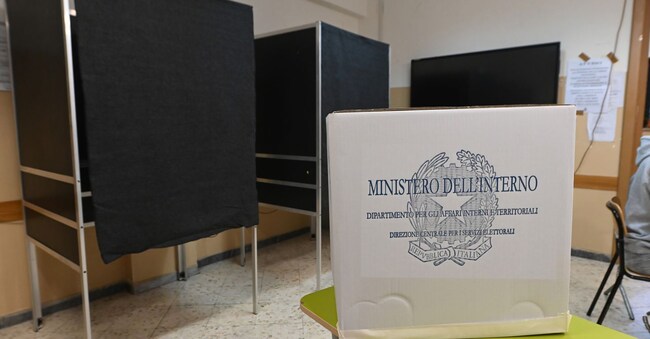
The possibility of voting outside one's municipality of residence for everyone and for all consultations, from politics to referendums. The Senate's Constitutional Affairs Committee will begin examining the popular initiative bill for out-of-town voting when it returns from the Christmas break, on Wednesday 7 January. A move, it is explained in the illustration of the text deposited in the Senate, to combat abstentionism and potentially affect at least 5 million voters who for various reasons (work, study, health) are temporarily domiciled away from home.
Tight times
The collection of the 50,000 signatures was completed in December and the proposal was presented to Palazzo Madama by the promoters - Good Lobby, Will Media and the Voting Away Network - with the hope that Parliament would deal with it as soon as possible. On Wednesday, the rapporteur, Domenica Spinelli of FdI, will begin with the illustration of the measure, and the intention is to proceed quickly, also because the regulation of Palazzo Madama gives three months for the examination of popular initiative proposals, then they will be passed to the Chamber ex officio.
The objectives
'High abstentionism is a challenge for everyone, at all levels, by deploying all the appropriate tools to recover it,' explained the Fratelli d'Italia senator, recalling that the Senate had already unanimously voted for last year's experiment that allowed voting away from home for study, work or health reasons during the June referendums.
The modalities
The tried and tested system - voting on days and in polling stations set up for everyone, in some cases in special sections - is different from that contained in the popular bill, which is more similar to that in force for voting from abroad.
In fact, the text stipulates that interested parties must submit an application 'telematically' (with Spid or electronic identity card), 'at least 35 days' before all elections - political, regional. administrative and referendum - certifying the reason that keeps them away from their residence (university enrolment, medical certificate or work contract). The municipality elected at home will then send a confirmation and an indication of the 'relevant electoral section'. So far the two models coincide.
Brand connect


Newsletter Scuola+
La newsletter premium dedicata al mondo della scuola con approfondimenti normativi, analisi e guide operative
Abbonati