
Vulcaflex's synthetic eco-leather overcomes the automotive crisis
3' min read
3' min read
Being at the mercy of the big car manufacturers is proving to be a bloodbath for many suppliers in the motor valley, in the face of a market downturn that is exceeding 20%. But there are also those who rejoice at the decision to have abandoned other sectors and bet everything on the big four-wheelers, such as the Ravenna-based Vulcaflex: 'We can't keep up with orders, Volkswagen called us last month and announced that in the next two years they would double the demand for Nextethic, our ecological leather for car interiors'. This is Roberto Bozzi, who could not be more satisfied with the gamble he made in 2020, when he divested the plastic film division for packaging in order to completely specialise the family business in the automotive sector, i.e. in technical materials for interior design (seats, dashboards, doors) for Bmw, General Motors, Stellantis, Volkswagen, and Mercedes, which in 2023 absorbed 98% of the 170 million euro turnover, with a record annual growth of 24% and an Ebitda that shot up by +115% to 23.5 million euro.
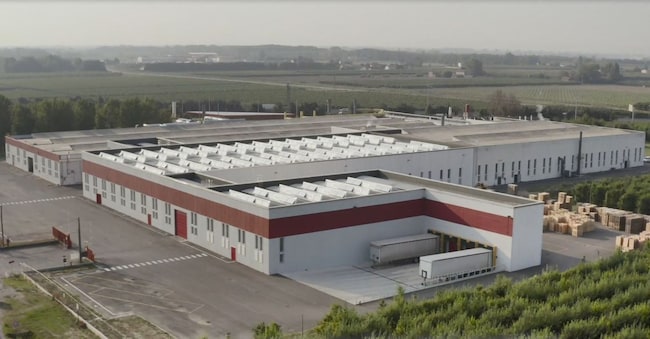
Roberto Bozzi is the third generation at the helm of the calendered synthetic leather company founded by his grandfather Attilio in 1947 in Milan, transferred in 1965 to Cotignola di Ravenna due to the need for more production space, and today ready for a new leap. In fact, the group has just obtained a 25 million euro loan from a club deal of banks "partly to refinance working capital," explains the CEO, who has also been president of Confindustria Romagna since 2021, "but the bulk to support an investment plan of over 15 million euros, from now until 2026, in order to further increase production capacity (after the 7 thousand square metres more of factory inaugurated ten years ago, ed.
Vulcaflex has set a goal to bring 'Scope 1' emissions to zero by 2030 and to gradually replace all fossil-based raw materials with plant-based, recycled and renewable sources, to bring the share of green products, which is 25 per cent today, to 100 per cent by 2050.
Today's momentum is the result of funky years for Vulcaflex's business: 'When we sold the food packaging branch and converted and expanded the facilities in Cotignola to focus on the automotive segment, we thought we would reach 170 million in turnover in 2020,' Bozzi recounts. Instead, in 2019 we found ourselves having to reckon with 9 million euros of damage due to the fire that broke out in our finished product warehouse in Faenza, the following year Covid exploded, in 2021 we suffered a 15% drop in volumes due to strikes at General Motors, in 2022, when production had finally started to grow again, we suffered a sharp rise in costs, and only in 2023, despite the floods, did we manage to adjust our price lists and reach the goal we had set ourselves,' he emphasises.
This 2024 will be a year of consolidation for Vulcaflex, with a stable production of around 30 million square metres of synthetic leather and a slightly declining turnover due to falling prices. "In the meantime, however, we are beginning to reap the benefits of our investment in research and development that resulted in the launch of the eco-sustainable Nextethic brand in 2020, at the height of the pandemic, which is having a huge market success, because it guarantees up to 70% less CO2 emitted during the production process, including clean energy sources and materials from separate waste collection such as plastic bottles and recycled fabrics. And now we are working on the re-use of production waste,' adds the CEO of Vulcaflex, Europe's second largest player (after Continental) in the production of artificial leather for the automotive industry.

