
With warm weather the production of WEEE waste increases: from the Ecolamp consortium a decalogue with tips and advice for purchases
The initiative comes from the Consortium established in 2004 and dedicated to the collection and treatment of end-of-life electrical and electronic equipment

2' min read
2' min read
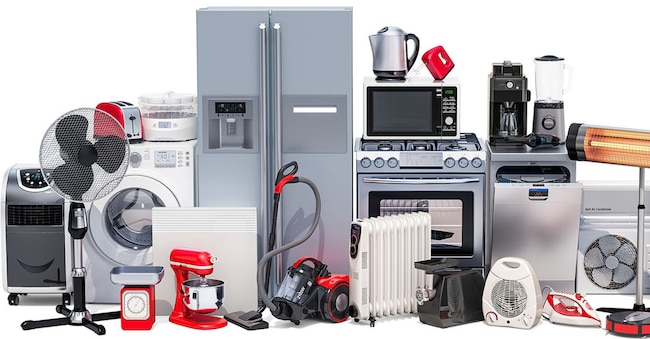
In hot weather, the production of WEEE waste increases. That is, the panorama of items ranging from air conditioners to mini fans with Usb plugs to freezers. For this reason, the Ecolamp consortium, a non-profit organisation set up in 2004 and dedicated to the collection and treatment of electrical and electronic equipment that has reached the end of its life, proposes a mini-decalogue with some practical advice for recognising and disposing of this waste.
The fan is a WEEE
.Just to start, the decalogue explains that "everything that runs on electricity and comes to the end of its life is a WEEE". The most common wastes in this category are fans, fixed and portable air conditioners, mini USB devices, dehumidifiers, small camping coolers and more generally all those products that require electricity or batteries for their proper functioning.
5 groupings
.The consortium indicates 5 groupings of WEEE. These range from the cold category (from refrigerators to freezers), to the 'Large Whites' which include washing machines, dryers, dishwashers, cooking appliances, electric stoves, microwave ovens. Then there are screen appliances, TVs and monitors and, finally, small appliances such as irons and mobile phones, as well as electronic, digital and lighting appliances. Photovoltaic panels are also included in this grouping. Finally, Light Sources, which include a range of items from low-pressure sodium vapour lamps to LED lamps.
4,200 collection points throughout Italy
.One of the suggestions of the Consortium's managers is to "handle WEEE well even during the holidays". This is why it is always suggested to refer to the collection centres. In Italy there are 4.2 thousand WEEE collection centres where citizens can go. "Thanks to the Ecolamp service," say the Consortium, which today brings together more than 400 producers of electrical and electronic equipment, "it is possible to find the nearest Collection Centre at the link WEEE Collection Centres - Consumers | Ecolamp".
Among other advice, that of not dismantling the waste equipment because "it is forbidden by law". "If still working," the Consortium emphasises, "appliances can be donated to schools, associations or third sector organisations for reuse.

