Watch Art Grand Exhibition: a journey through time in Milan
Perpetual calendars, tourbillons and all the complications that have shaped the history of watchmaking. Unique masterpieces are on display at CityOval. And 32 special pieces dedicated to Italia.

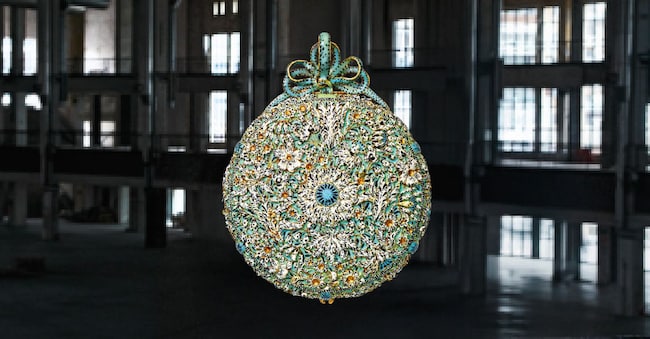
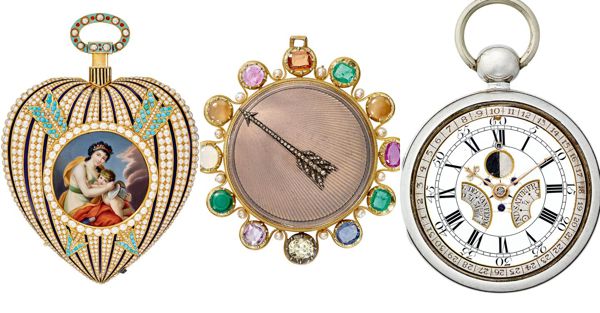
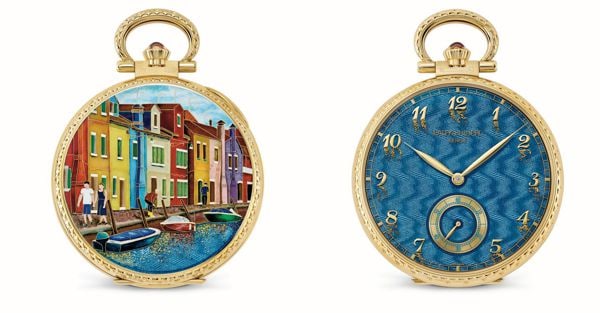
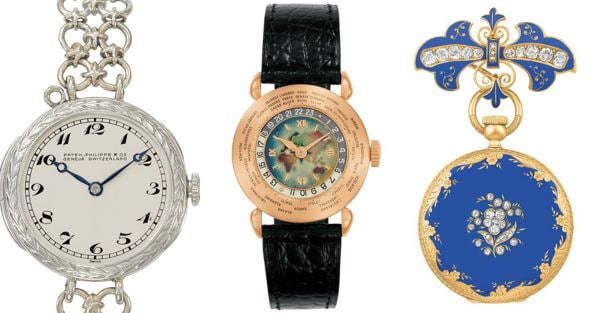
Why is Patek Philippe the symbol of fine watchmaking? Anyone with a passion for watches knows this all too well; they are familiar with the models, the long tradition, the mechanical innovations, the craftsmanship and the care with which these highly sought-after timepieces are crafted. Those who are not (yet) enthusiasts, but are simply curious, must not miss the opportunity to discover a brand which, over the course of its 187-year history, has produced some of the most remarkable mechanical marvels in the entire world of watchmaking.
The opportunity is open to everyone from 2 to 18 October, thanks to the Swiss watchmaker’s seventh Watch Art Grand Exhibition. This event first took place in 2012 in Dubai with the aim of introducing the brand to as many people as possible around the world outside Geneva, the city where it is based and where it was founded in 1839. At that time, it was known as Patek, Czapek & Cie, and was founded by the entrepreneur Antoine Norbert de Patek and the watchmaker Franciszek Czapek. It was not until 1845 that the name became Patek Philippe & Cie in 1845, following the arrival of another watchmaker, Jean Adrien Philippe, and Czapek’s departure. Since 1932, the brand has been owned by the Stern family, who have now been at the helm for four generations, with Thierry Stern currently serving as its president.
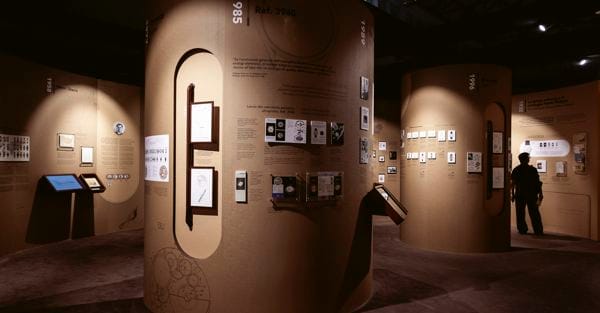
He was behind the Watch Art Grand Exhibition project, created ‘to give all those interested the opportunity to share their passion for fine watchmaking and discover our complications (that is, all the additional functions beyond simply telling the time, such as the perpetual calendar and the chronograph, editor’s note), our history and our collections, whilst meeting engineers, watchmakers and craftsmen from our manufacture’, he explains. Following Dubai, the event was held in Munich in 2013, London in 2015, New York in 2017, Singapore in 2019 and Tokyo in 2023, welcoming a total of over 165,000 visitors.
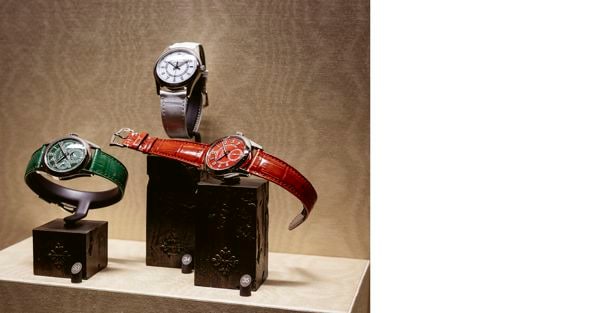
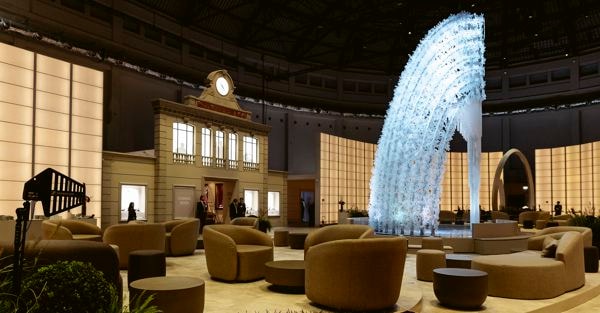
Now it is Milan’s turn. “For this new edition, the Watch Art Grand Exhibition returns to Europe and is intended as a token of gratitude to Italia, a long-standing and important market for Patek Philippe,” he explains. “In fact, our records show that the brand’s very first purchases were made by Italian customers.” The venue chosen for this new edition is the building that, until recently, was known in the city as the Palazzo delle Scintille, in Piazza VI Febbraio, and has now been renamed CityOval – a sort of historic gateway to CityLife, a newly built district that has become one of Milan’s landmarks. The area, built on the site of the former Fiera Campionaria trade fair, has transformed the city’s skyline with its three towers – nicknamed ‘the Crooked One’, ‘the Straight One’ and ‘the Curved One’ – designed by star architects Zaha Hadid, Arata Isozaki and Daniel Libeskind, and with its large green park covering 128,000 square metres, complete with tennis and padel courts.
CityOval is now a multifunctional and cultural hub, inaugurated to mark the Milan-Cortina 2026 Winter Olympics following a meticulous refurbishment by Calzoni Architetti. The building’s history mirrors the evolution of the Lombard capital. Designed by the architect Paolo Vietti Violi in 1923 as the Palazzo dello Sport, it became one of the first pavilions of the Fiera di Milano in 1934. Subsequently, in 1946, it exceptionally hosted the opera season of La Scala, which had been damaged during the Second World War. Its exterior retains its original Art Nouveau style; it has a covered area of over 8,200 square metres and is characterised by its large elliptical dome made of glass and metal, which rises to a height of 31 metres.