Beware of new rules for safe skiing and snowboarding fun
Compulsory for all: helmet and liability insurance for damage or injury caused to third parties

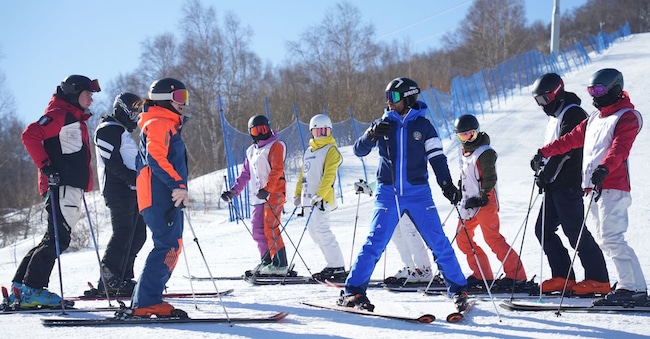
There is a new version of the 'Ski Code' to be complied with to ensure hours of fun on the slopes. With the update of the 14 'Rules of Conduct' for skiers and snowboarders, introduced in line with Decree-Law No. 96 of 30 June 2025 known as the 'Sports Decree', a step forward has been taken to bring the discipline into line with the new provisions on safety on the slopes. Rules to be followed to avoid injuries and accidents as well as hefty fines and legal problems. "Safety means respect, and respect means freedom. These 14 rules renew in a clear and accessible way the rules that already protect those who ski, reminding everyone that the mountain is a place of emotion and responsibility, where every skier is the protagonist of his own safety and that of others," points out Luciano Stampa, national president of the Italian Ski Instructors' Association (Amsi), who received support from Kinder joy of moving to communicate and transmit these rules to young skiers in particular. It should not be forgotten that instructors are snow professionals who are not only able to teach how to ski safely but also know how to intervene in the event of an accident and handle first aid. In addition, many instructors are also specialised in mountain rescue and piste safety due to their knowledge and experience of the mountain terrain. These snow professions number over 14,000 active in 400 Italian ski schools distributed throughout the country.
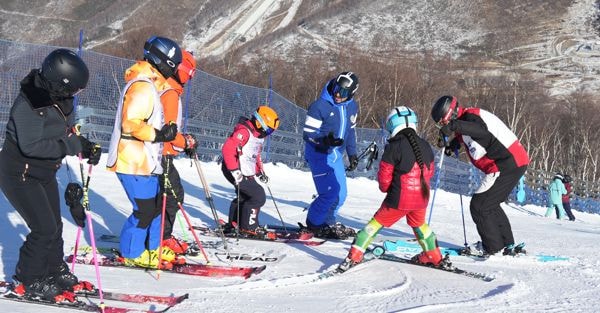
The rules of conduct, updated and distributed nationwide, are a simple, clear and accessible educational tool for everyone. A valuable vademecum, designed to prevent risky behaviour and to ensure that ski slopes remain a place of sport, excitement and freedom, with full respect for people and the environment.Among the most relevant new features of the update, Amsi highlights the introduction of the protective helmet requirement for all skiers and related disciplines, a measure introduced by Decree-Law No. 96 of 30 June 2025, amending Article 17 of Legislative Decree No. 40 of 28 February 2021. The extension of the helmet requirement, which comes into force from the 2025/2026 winter season, is a significant step towards enhancing safety and preventing accidents.
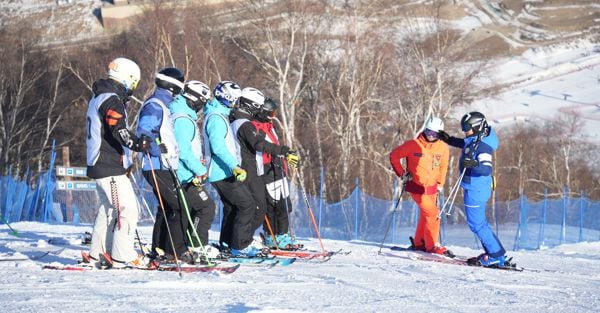
It should be remembered that helmets are compulsory for all enthusiasts, that liability insurance is compulsory for damage or injuries caused to third parties, and that the consumption of alcohol or the use of drugs almost always leads to possible insurance cover problems in the event of an accident.
All rules
1) Protective helmet: it ismandatory to wear a helmet for the practice of downhill skiing,skiing, snowboarding, telemark, sledding and tobogganing