Water, ‘catastrophe and wonder’: the Vatican Library’s new exhibition
The first stage of a five-year journey exploring the threats to our literary heritage (and to humanity) has been launched. Pope Leo XIV: ‘Let us find new paths to reconciliation’

Key points
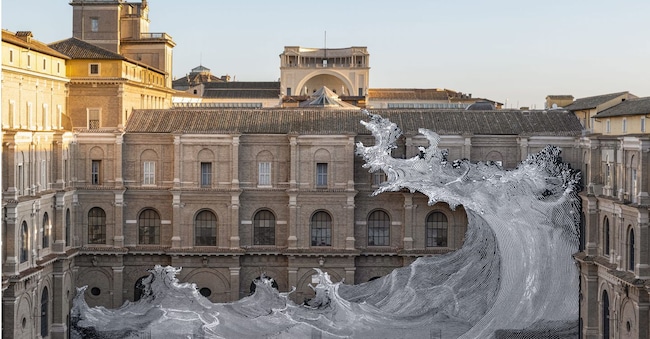
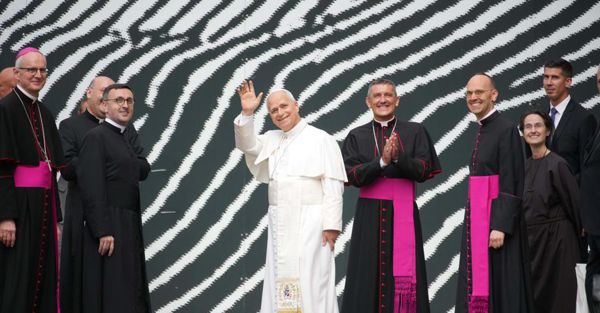
A gigantic black-and-white wave washes over the 16th-century façade of the Vatican Apostolic Library: a reminder of the vulnerability of knowledge, memory and life. It is Diluvium by the French artist JR, the monumental installation that welcomes visitors at the entrance to the Vatican Apostolic Library’s new exhibition, “AQVA – Catastrophe and Wonder”, inaugurated today by Pope Leo XIV on his 71st birthday and part of a wider project carried out in collaboration with Fondazione Roma and with the support of Intesa Sanpaolo.
The Ambivalence of the Enemies of Books
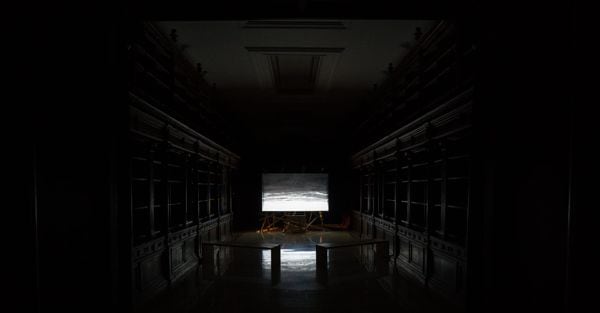
Beginning with water – a central theme in the context of the global climate crisis – the Library presents a sophisticated exploration of the threats that have always endangered our book heritage: in the coming years, the focus will turn to fire, light, insects and human intervention. All of them represent ‘catastrophe and wonder’, as the five-year exhibition cycle is titled; all are natural elements steeped in ambivalence, for they can generate life, but also destroy it; all are universal allegories of humanity’s anxieties in the face of that which lies beyond its control.
Make way for the ‘gateways to reconciliation’
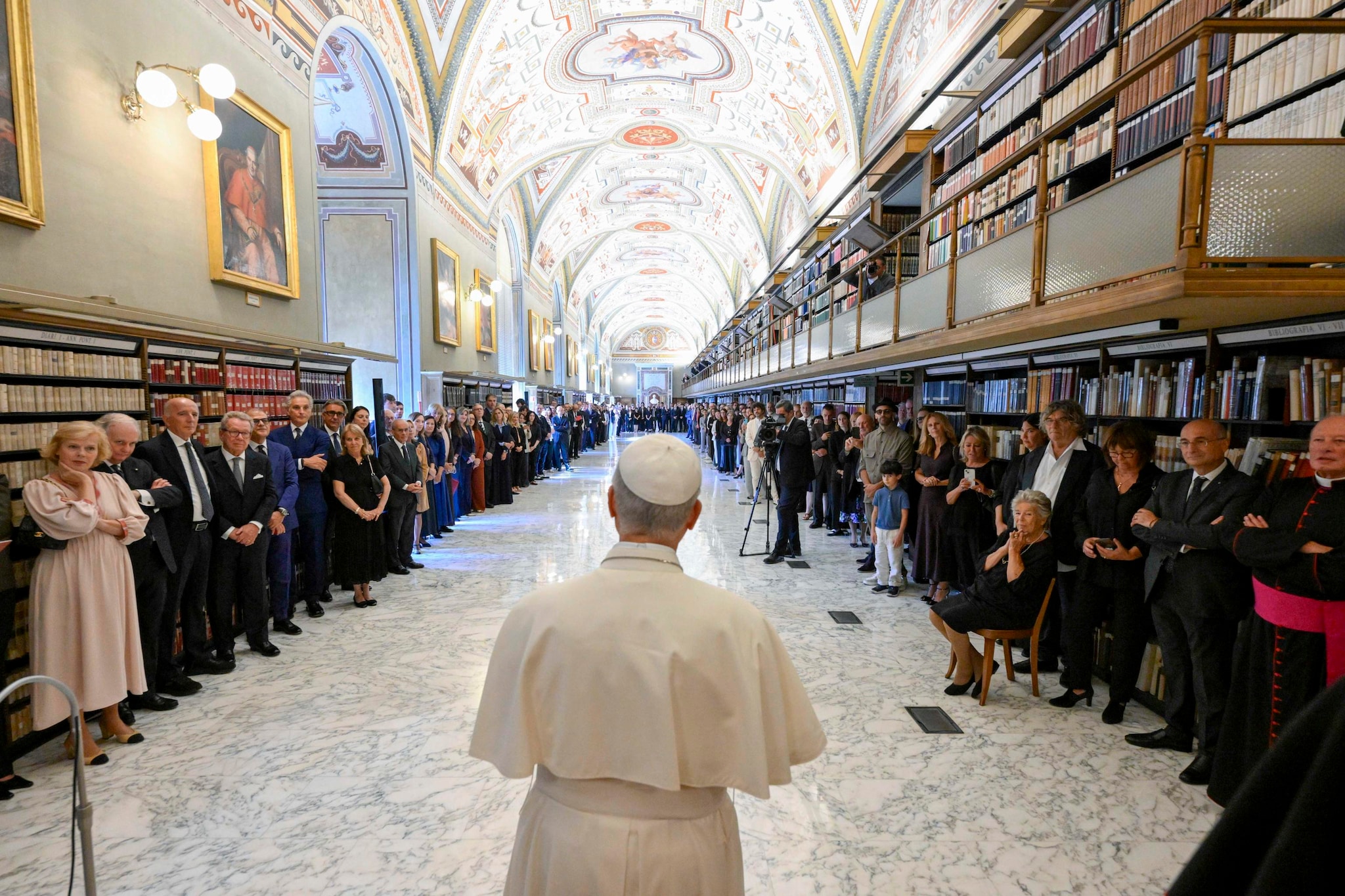
The Library has now accustomed the public to the interplay between its centuries-old heritage and the most vibrant expressions of contemporary life. ‘It bears witness to the Church’s long-standing and renewed cultural openness’, said the Pontiff, celebrating the value of ‘cultural cordiality’ embodied by ‘the gentle diplomacy that finds, amongst the documents and books of the Vatican Archives and Library, an open path—one of the “pathways to reconciliation” mentioned in the Encyclical Magnifica humanitas. So, onwards! Faithful to the past and faithful to the future, using the languages and means that are proper to you, find new gateways to reconciliation’.
The interplay between the ancient and the modern
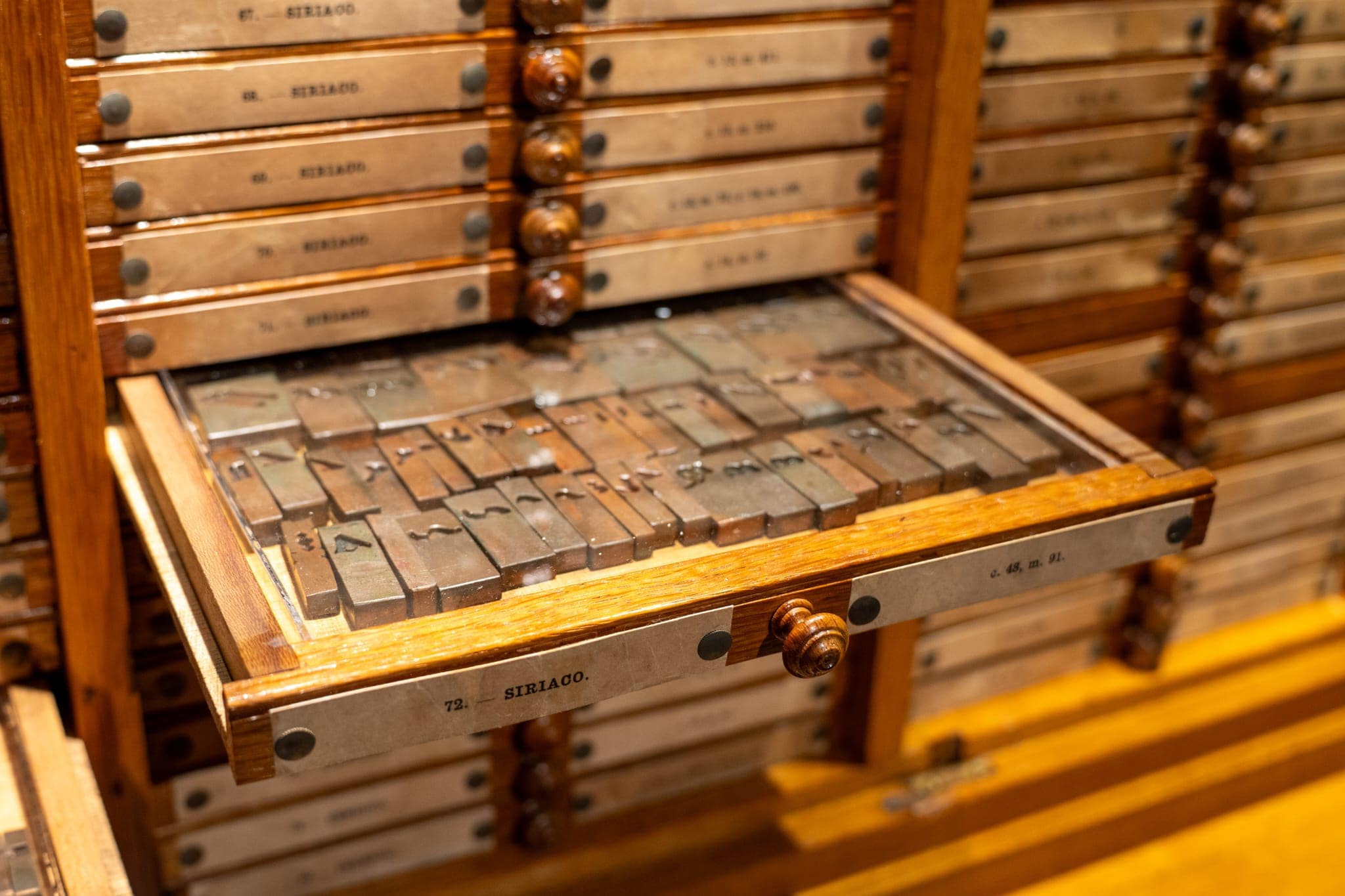
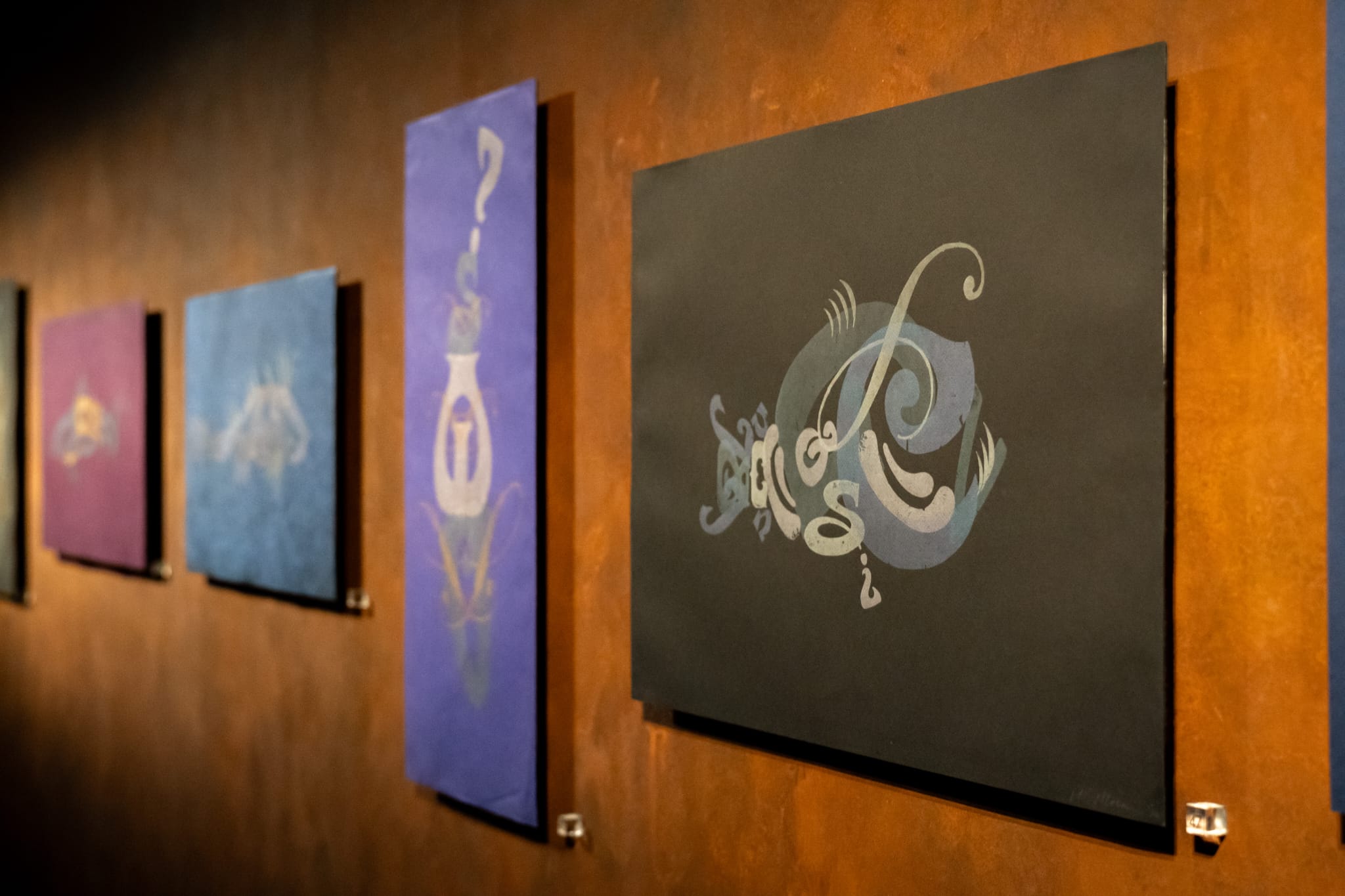
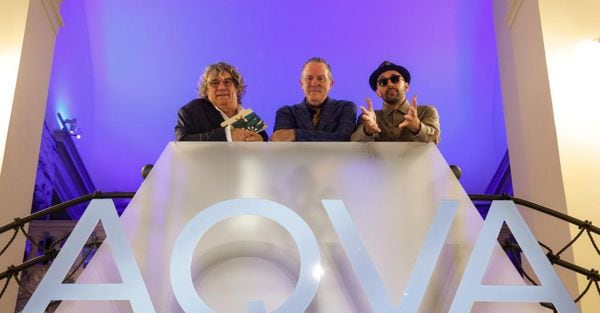
Gates to the exhibition are constantly opening. Here too, as in previous years, from the scientific and symbolic heart of the exhibition – Ippolito Salviani’s Aquatilium animalium historia, a masterpiece from 1557 that combines scientific knowledge, chalcographic art and gastronomic culture, and which takes centre stage in the hall with two copies of extraordinary value – the works of contemporary artists, invited to draw inspiration from the ideas of ancient knowledge, radiate outwards: alongside JR, the American typographer Bill Moran and the Italian chef Fulvio Pierangelini have answered the call.
Water and knowledge: a relationship spanning millennia
The result is a unique experience based on an exceptional selection of manuscripts, printed books, engravings and artefacts from the Vatican collections, which bear witness to the millennia-long relationship between water and knowledge. Works which – from Apicius’s De re coquinaria to Giovanni Battista Ramusio’s travelogues, from marine bestiaries to numismatic curiosities linked to the aquatic world – engage in dialogue with Moran’s Letterfishes hanging on the walls – marine creatures composed of letters, numbers and punctuation marks – and with Pierangelini’s previously unpublished gastronomic tales, collected in the Library’s 2027 diary.