
Ascani: ‘We must avoid the uncritical use of AI in Parliament; the public’s trust is at stake’
The chair of the Montecitorio Oversight Committee on Documentation, which has begun reviewing the guidelines on artificial intelligence, speaks out

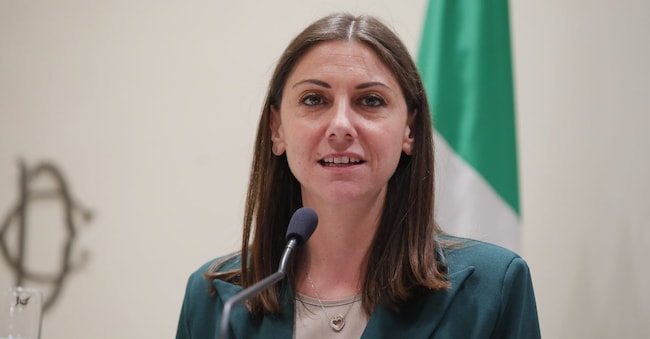
“Artificial intelligence must serve as a support, a form of augmented intelligence to improve the work within the institution and our relationship with citizens. We cannot use it uncritically; we must promote awareness. Ultimate responsibility lies with those who use it.” This is the firm belief of Anna Ascani (PD), Deputy Speaker of the Chamber of Deputies and Chair of the Supervisory Committee on Documentation, which on 30 July began examining the guidelines on artificial intelligence for MPs and their staff, as previewed in *Il Sole 24 Ore*, now on sale.
What are they aiming for?
They are specifically designed to provide knowledge, rules and principles to be followed when using these new technologies to eliminate sources of risk. The document is based on a fundamental principle: it is solely up to individuals to decide how to use these technologies, what questions to ask, and how to verify the data obtained. The document will now undergo a review by the Committee and consultation with experts. Once this review is complete, it will be adopted.
Of the four fundamental rules identified, which one serves as the guiding principle?
Always maintain human control – the rule from which all others stem. Artificial intelligence must not be used as an oracle, nor as a substitute for judgement. Critical thinking is the only key to making the best use of it. To avoid becoming ‘food for algorithms’, as Pope Francis put it, we must place our capacity for discernment at the centre. We must not allow ourselves to be overwhelmed by innovation, but rather harness it for the benefit of the community. And therefore, with respect for everyone’s rights. This means that MPs who use AI must not enter personal data or confidential documents into AI platforms. They must protect copyright and intellectual property by carrying out appropriate checks. They must ensure transparency in the use of AI where necessary. They must prevent the spread of false information and distortions. And they must know when to step back when the risks are high.


