
Weak chip sector in Europe, weighed down by the disappointment of the Longsys IPO and the Morgan Stanley report
Analysts say the sector needs more selective investment
Chiara Di Cristofaro
 Aggiungi Il Sole 24 Ore
ai preferiti su Google
Le ultime da Radiocor
Essilux: top manager, successione Del Vecchio complessa, ma serve responsabilita' (RCO)
Energia: Meloni, ok norma su commissari per velocizzare estrazione idrocarburi (RCO)
Tim: accelerano adesioni opas al 16,8%, quota Poste a quasi 37% (RCO)
(Il Sole 24 Ore Radiocor) - The cool reception in Hong Kong to Shenzhen Longsys Electronics’ mega-IPO is helping to keep the European tech sector under pressure, particularly chip stocks, caught between the prospect of rising interest rates to keep inflation in check and fluctuating enthusiasm following the impressive rally in the first half of the year and signs of a possible sector rotation. Setting the tone for the moment, Morgan Stanley has published a report on European semiconductors entitled “Time to be selective”, with an ‘in-line’ rating. European tech is among the worst-performing sectors in Europe. Among the leading stocks, STMicroelectronics in Milan, with Infineon Technologies in Frankfurt, selling pressure on Be Semiconductor and ASM International in Amsterdam, whilst ASML limits its losses. In its report on the chip sector, MS says it remains ‘bullish on semiconductors, supported by strong AI-related demand and the broadening of the cycle’s recovery phase’. However, the analysts add, with “DRAM approaching a turning point in the late stage of the cycle and with the widening of valuation spreads, we are becoming more selective”. The analysts upgrade Synopsys to ‘Overweight’, downgrade Infineon to ‘Equal-weight’ and maintain ASML at ‘Overweight’, but lower the target price to €1,700.
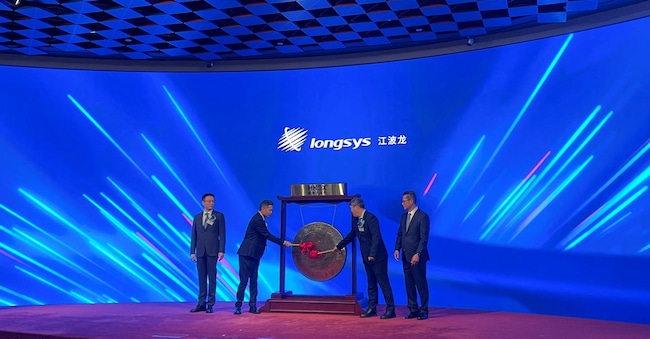
Meanwhile, Shenzhen Longsys Electronics’ fall on its debut day (-1 per cent to HK$233.60 at the close) does not help matters. The Chinese manufacturer of data storage products raised approximately HK$7.08 billion (US$903 million) through its IPO, with an offer price of US$236 – a 44 per cent discount to its previous closing price in Shenzhen, where it has been listed since 2022. During the trading session, the shares fell by as much as 2 per cent.
This major share placement is part of a series of listings in Hong Kong by Chinese AI-related companies, seeking to capitalise on a particularly buoyant market in the sector. However, the market is currently wondering whether the strong demand for artificial intelligence infrastructure is capable of sustaining the high prices of memory chips and the valuations of semiconductor companies. Furthermore, concerns about a tightening of the memory supply remain at the forefront. The question, therefore, is whether the record results seen so far can be replicated. In the first six months of the year, according to the listing prospectus, the group’s revenue more than doubled, reaching 24.1 billion yuan, whilst net profit rose to 10.7 billion yuan, up from 41 million in the same period the previous year, thanks to rising memory prices.

