
West Nile, eight victims in Italy. Danger from mosquito eggs: one thousand vets in the field
Ferri, scientific coordinator of the Italian Society of Preventive Veterinary Medicine (Simevep): surveillance at ports and airports is also crucial, because infected insects or mosquitoes can be transported with goods
3' min read
3' min read
The West Nile virus arrives transported by migratory birds, it can lodge in horses and other animals, but a great danger is also posed by mosquito eggs: infected females can in fact transmit it to the larvae and this type of 'transovarian' transmission dangerously amplifies the circulation of the virus. Hence the importance of monitoring and surveillance measures on carrier animals, in order to be able to identify them and then proceed to disinsect the territories: to do this, hundreds of veterinarians from the National Health Service are in the field, working in the territories that have been the scene of the outbreaks of infection in recent weeks.
Meanwhile the number of confirmed victims of West Nile in Italy has risen to eight. A 72-year-old man died in the hospital of Caserta, where he was admitted. This is the fourth death in Campania. Three deaths occurred in Lazio, where the President of the Region, Francesco Rocca, announced a one million euro allocation for disinfestations against mosquitoes, the virus' vehicle. The seven victims of these days are in addition to the first fatal case that occurred in March in Piedmont, in the province of Novara. And while 31 provinces are subject to blood donation restrictions, family doctors have launched a task force against emerging infections, in collaboration with the Higher Institute of Health.
Veterinary checks
.Shining the spotlight on the importance of veterinary controls is Maurizio Ferri, scientific coordinator of the Italian Society of Preventive Veterinary Medicine (Simevep). The transmission cycle of the West Nile virus, Ferri explains, 'starts from wild birds, migratory and some sedentary species, which are its natural reservoir. The infected bird is asymptomatic but the Culex mosquito, by biting it, can become infected and in turn transmit the virus to other animals, such as horses but also other mammals, and even to humans. In particular, the horse is very vulnerable to West Nile and can also develop severe neurological symptoms. For this reason it represents a 'sentinel animal' for West Nile and is included in surveillance programmes'.
Female mosquitoes
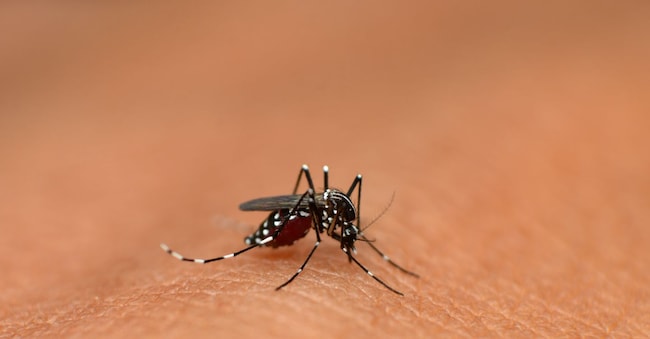
.In the virus transmission cycle, warns the expert, 'we must also consider transovarian transmission, i.e. infected female mosquitoes transmit the virus to their eggs and then to the nascent larvae. Considering that each mosquito lives about two months and lays 300 eggs per cycle, every 1-2 weeks, we can get an idea of how viral transmission can be amplified even by infected female mosquitoes alone, even in the absence of carrier birds'. To lay their eggs, mosquitoes need a warm climate: 'Due to climate change, warm temperatures now persist well into November, and this lengthens the mosquitoes' reproductive period, increasing the risks, because in this way the virus persists in the territories, becoming autochthonous, even beyond the summer season'. A mechanism that therefore 'makes the number of potentially infected mosquitoes enormous,' Ferri says. In light of this, he notes, 'the goal is to prevent the onset of infection in humans, also because no vaccines or specific drugs are currently available.
The pest control of territories
.But in order to do this, the only possible measure is the strict control of the tank animals and, subsequently, the clearance and disinfestation of the territories'. Crucial, he clarifies, 'is also to anticipate the surveillance of animals already in the spring months, given the warmer temperatures. But surveillance at ports and airports is also crucial, because infected insects or mosquitoes can be transported with goods'. Monitoring operations that currently involve, especially in the most affected regions, hundreds of veterinarians from the animal health services of the local health authorities and the experimental zooprophylactic institutes of the various regions, who take animal samples on the territory for analysis. This is, Ferri concludes, 'a fundamental activity that allows the early identification of the virus in carrier animals, which makes it possible to map the areas affected by potential outbreaks and to intervene with disinfestations aimed at protecting human health'.

