
West Nile virus, EFSA: the number of cases in Italy remains high
There has also been a high number of outbreaks reported among birds: this means that transmission remains significant

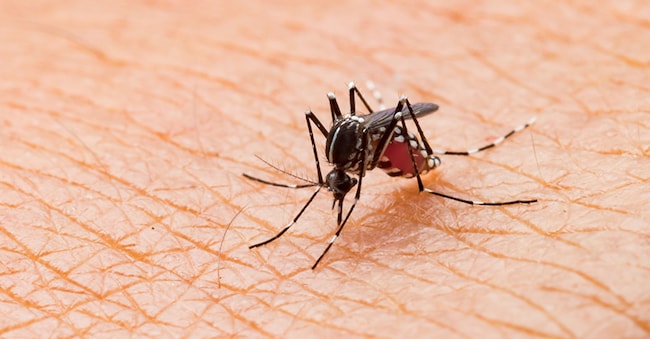
We must remain vigilant against the West Nile virus, which is no longer in the news, but which continues to circulate, particularly in Italia, with 139 human cases across 45 provinces (and with the cities of Campobasso and Viterbo reporting locally acquired infections for the first time). EFSA – the European Food Safety Authority – is today publishing an update on the situation in Europe as at 5 August, produced in collaboration with the ECDC (European Centre for Disease Prevention and Control), with one final recommendation: protect yourselves.
“Although lower than in the same period of 2025,” comments Giusi Amore, a scientific officer at the Biological Risks, Animal Health and Welfare Unit of the Parma Authority, “ – the number of human cases of WNV in Italia remains high, as does the number of outbreaks reported among birds, and this means that transmission continues to be substantial.” And that is the crux of the matter. Unlike humans and equines – considered terminal hosts – mosquitoes and birds help to sustain the cycle. The former, in fact, become infected when they bite and suck the blood of an infected bird: acting as vectors, they spread the virus to other animals. At present, seven European countries are affected by 245 human cases of WNV infection (there have been twelve deaths). The same seven countries have reported outbreaks in birds and/or equines (17 outbreaks among equines and 74 among birds). The human cases originate from 58 European regions, compared with 40 regions across six countries a year ago. After Italia (with 56.7 per cent of human cases and 75.8 per cent of outbreaks in equines and birds), Greece is the country most affected, with 65 cases (26.5%), but with only five outbreaks in equines and no outbreaks among birds. In Europe, as in previous years, the majority of human cases occur in men aged 65 or over. In the majority of cases, this has resulted in hospitalisation (72 per cent) and neurological symptoms (58 per cent). ‘The persistence of the virus,’ says Amore, – “can be partly explained by favourable climatic conditions and ecological hotspots, such as wetlands and agricultural areas, which may encourage the proliferation of mosquitoes and wild animals involved in the spread of the virus. Intensive surveillance in Italia may also contribute to the high reporting rates.”
But taking precautions is essential. ‘As transmission generally peaks in August and September, it is important to let the public know that they must protect themselves from mosquito bites by using repellents, mosquito nets and by removing standing water around their homes’, concludes Liese Van Gompel, scientific officer for foodborne, vector-borne and zoonotic diseases at the ECDC.

