
Electric and hybrid BMW X5s: we’ve had a sneak preview of them. How do they drive and what are they like?
From California comes the first test of the fifth generation of the German SUV, available with petrol, diesel, plug-in hybrid and electric powertrains. We drove the 400 cavalli 40 xDrive mild hybrid and the new 578 cv iX5 electric model, which promises a range of up to 850 kilometres.

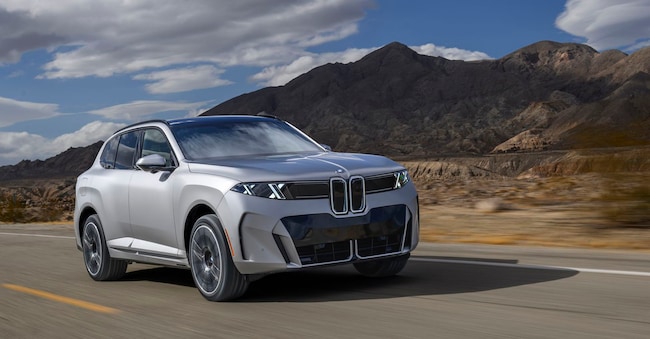
The BMW X5 is now in its fifth generation and boasts a multi-energy range unprecedented in its 27-year history, with options ranging from petrol and diesel to plug-in hybrid and electric, and – in the coming years – hydrogen as well. To find out how it performs, we flew to the United States, where the German SUV is one of the brand’s most important models. In 2025, 76,246 X5s were sold on the American market, whilst the plant in Spartanburg, South Carolina, produced over 412,000 vehicles from the X family. It is here that the X5 has been built since 1999, with over 3.1 million units produced, and it is also here that the fifth generation is being built. This model has undergone profound changes in both style and technology, adopting numerous features from the Neue Klasse range, starting with the design and in-car technology. The platform, however, remains unchanged: it is not part of the Neue Klasse range, not even for the electric version, which is fitted with a large 141 kWh battery capable of delivering a range of around 850 kilometres. On the roads of California, starting from Newport Beach, we drove two very different versions: the petrol-powered 40 xDrive and the first all-electric X5, dubbed the iX5 60 xDrive.
BMW X5: dimensions and design
The new BMW X5 is almost 5 metres long (4.99 metres to be precise), 2 metres wide and 1.75 metres high, with a wheelbase of 3.03 metres. The design has changed most notably at the front, where a more compact, vertically oriented double-kidney grille makes its debut, illuminated by Iconic Glow technology. The headlamps and tail-lamps are also new, featuring a double-X light signature, whilst the side profile retains traditional proportions but introduces the so-called ‘Winglets’ – door handles integrated into the A-pillars – which operate the electrically operated doors. At the rear, the light clusters extend horizontally, emphasising the width of the bodywork. Wheel sizes range from 21 inches up to 23 inches. The external dimensions remain unchanged regardless of the powertrain, whilst the load capacity varies. The petrol and diesel versions offer a boot capacity of 655 to 1,850 litres, figures also retained by the electric model, which adds a 53-litre front storage compartment. On plug-in hybrid models, the capacity drops to 525 litres, expandable up to 1,680 litres.
BMW X5 2027 interior
The interior represents one of the most significant changes compared with the previous generation. The dashboard has been completely redesigned to accommodate the BMW Panoramic iDrive, a system first introduced with the Neue Klasse and powered by the new Operating System X. At the centre is a 17.9-inch screen, flanked by Panoramic Vision technology which projects information across the entire lower section of the windscreen. Added to this is the 3D Head-Up Display, whilst an additional 14.6-inch screen is available as an option for the front passenger. Apple CarPlay and Android Auto are also included, along with remote software updates. The choice of materials includes Veganza synthetic leather upholstery, Merino leather and, amongst the optional extras, genuine slate and glass inlays. Interior space remains one of the X5’s strong points, particularly in the second row, whilst the front seats can be fitted with ventilation and massage functions. A panoramic glass sunroof and adaptive suspension come as standard, whilst optional extras include the Bowers & Wilkins audio system with Dolby Atmos support.

