Set professionals

What face do you want? In Hollywood, where masks truer than life are drawn

Meet Mike Marino, Hollywood's most famous make-up artist, the man who turned superstar Heidi Klum into a big worm, actress Natalie Portman into a swan and scarred the lanky Colin Farrell.

by Jill Krasny
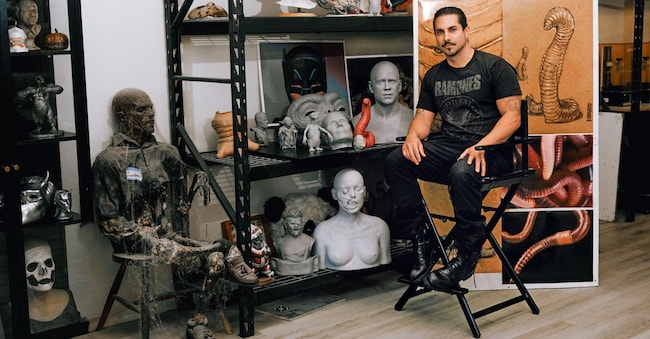
Mike Marino nello studio di Los Angeles con una selezione delle sue opere. © Peyton Fulford

6' min read

6' min read

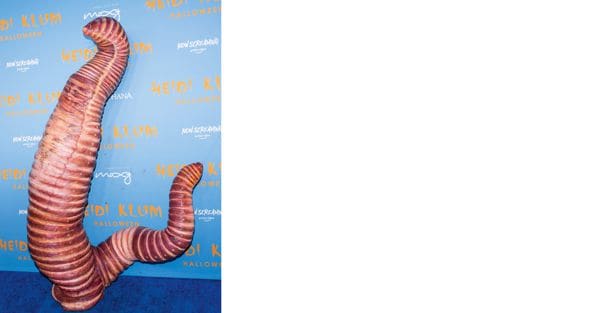
Mike Marino has spent the last thirty years transforming the faces of Hollywood's most famous personalities. Under his hands all the metamorphoses a body can undergo have taken place. From those of time and grief in The Fantastic Mrs Maisel to the botched fillers in the music video of Save Your Tears by The Weeknd, to the results of gruesome violence on Matilda De Angelis in The Undoing - The Unspoken Truth. His lifelike reproduction of Natalie Portman's head made possible the actress's eerie neck elongation in The Black Swan, and he is also the hand behind the legendary Halloween costumes worn by Heidi Klum, including E.T., a Worm and Jessica Rabbit.

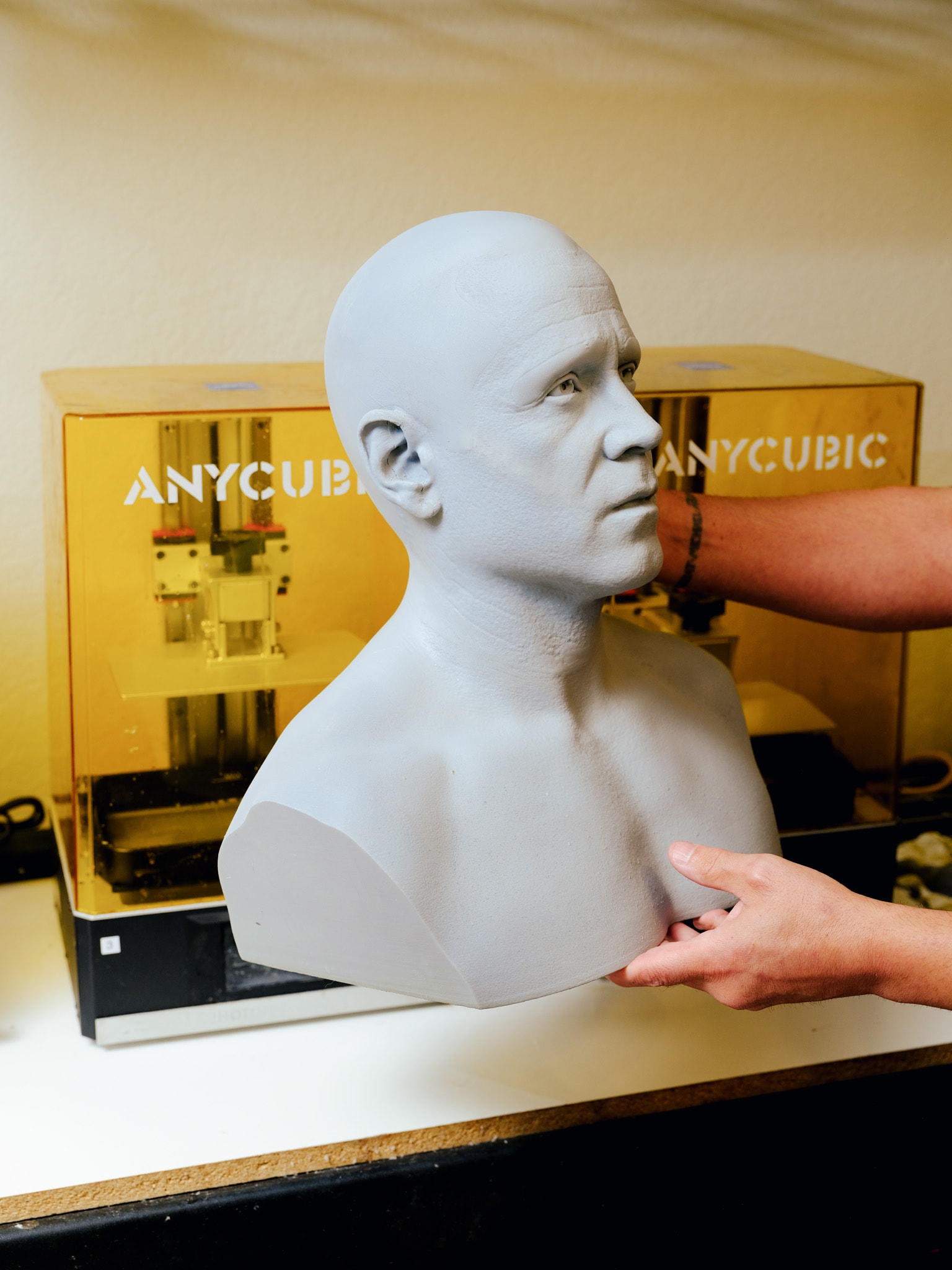
Last January, two Golden Globe winners publicly acknowledged the value of Marino's work in their performances: the first is Colin Farrell, best actor in the miniseries The Penguin, the other is Sebastian Stan, star of A Different Man, the thriller born from Aaron Schimberg's creativity about a shy aspiring actor whose disfigured face - marked by neurofibromatosis, a genetic disease - comes to define his own identity. In his thank-you speech, Farrell joked that it "only took him three hours" in Marino's chair to transform himself into Oz Cobb, Gotham's limp, hook-nosed gangster in The Penguin: "Mike's imagination as co-creator and his amazing genius as an artist made my character so alive that I wouldn't have been able to play him fully if I hadn't seen his model first. Oz's physicality, his limitations and handicaps, in essence his otherness, were of such realism and such precision in every detail, that I had never before been confronted with anything like it'. The actor sees their work as a collaboration. 'I started from what he made and walked - nay, limped - in that direction'.
Loading...

La testa 3D di Colin Farrell per “The Penguin”. © Peyton Fulford

But it was for her work in A Different Man that the make-up artist, now 48, received her third nomination for an Academy Award: "It is always an honour to receive recognition, especially when the subject I make up conveys a positive message about who we are and how we can be treated by others," she says.

"It was great working with Mike, I don't think we could have made the film without his contribution," explains director Aaron Schimberg. "The striking thing about Stan's prosthetics is that they still allow you to read all the emotions. They have a very realistic design, they look human to all intents and purposes". The challenge in the film was to evoke 'the complexity and sensitivity of the character'. So Marino wanted his prostheses to reproduce the medical condition as accurately as possible, and modelled them on the co-star, actor Adam Pearson, who actually suffers from neurofibromatosis. Facial details were replicated using photographs and 3D scans. The experience of wearing the prostheses made a deep impression on Stan: "Firstly, they were so realistic that they allowed me to walk freely around New York without anyone realising they were fake," says the actor. "Secondly, they influenced much of my performance. From the way I walk to the way I stand to the way I perform any activity - it is the prostheses that have guided my acting'. Marino sought to make work that was 'inspired by the best auteur directors such as David Lynch, David Cronenberg, Charlie Kaufman'.
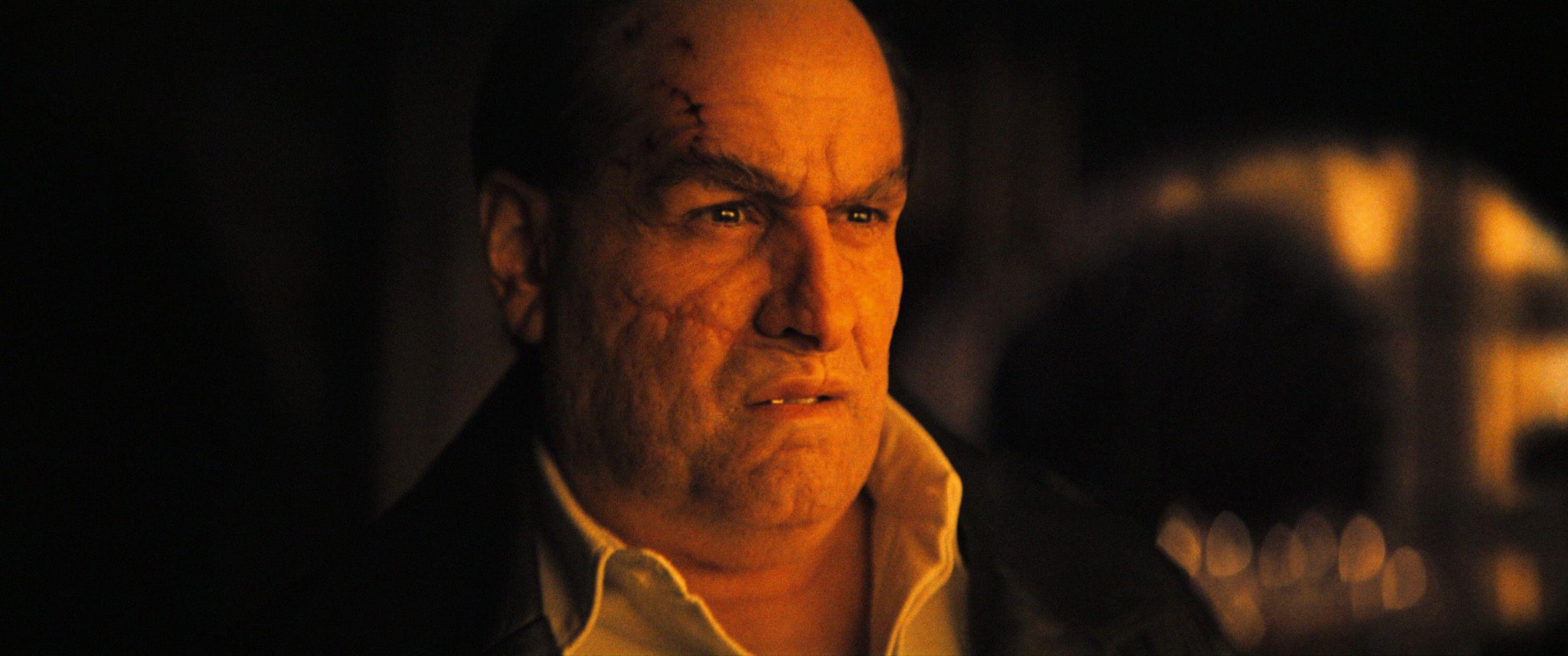
Colin Farrell nel ruolo del Pinguino. © Warner Bros. / Courtesy Everett Collection

He remembers the first time he saw Lynch's The Elephant Man: as a child, terrified by the film, almost rapt, he erased the title every time he saw it on the TV guide. "When, a few years later, I decided to watch it, I realised its profound value. It was truly inspirational for him. "I asked myself an endless series of questions: 'What is this? Is this a trick? How did they make it?" Some time later, watching make-up artist Rick Baker transform a young Michael Jackson into a were-cat in The Making of Thriller, Marino realised: "This is what I want to do with my life". He started going to libraries - he kept books for months - devoured Wolverine comics, studied Michelangelo's sculptures, but also everything his idols Baker, Rob Bottin and Kevin Yagher had worked on, which involved watching a lot of RoboCop and The Crypt Tales. His journey into the world of prosthetics actually began in high school, when he started experimenting, turning his friends into monsters, old people and injured teenagers. "Monstrous faces, burn effect make-up, scars and scratches, all with the sole purpose of scaring," he says. As it got better, the urge to joke was swept away by a deeper question: 'Am I able to fool you into believing that this is real? Most of the time I deceive everyone'.
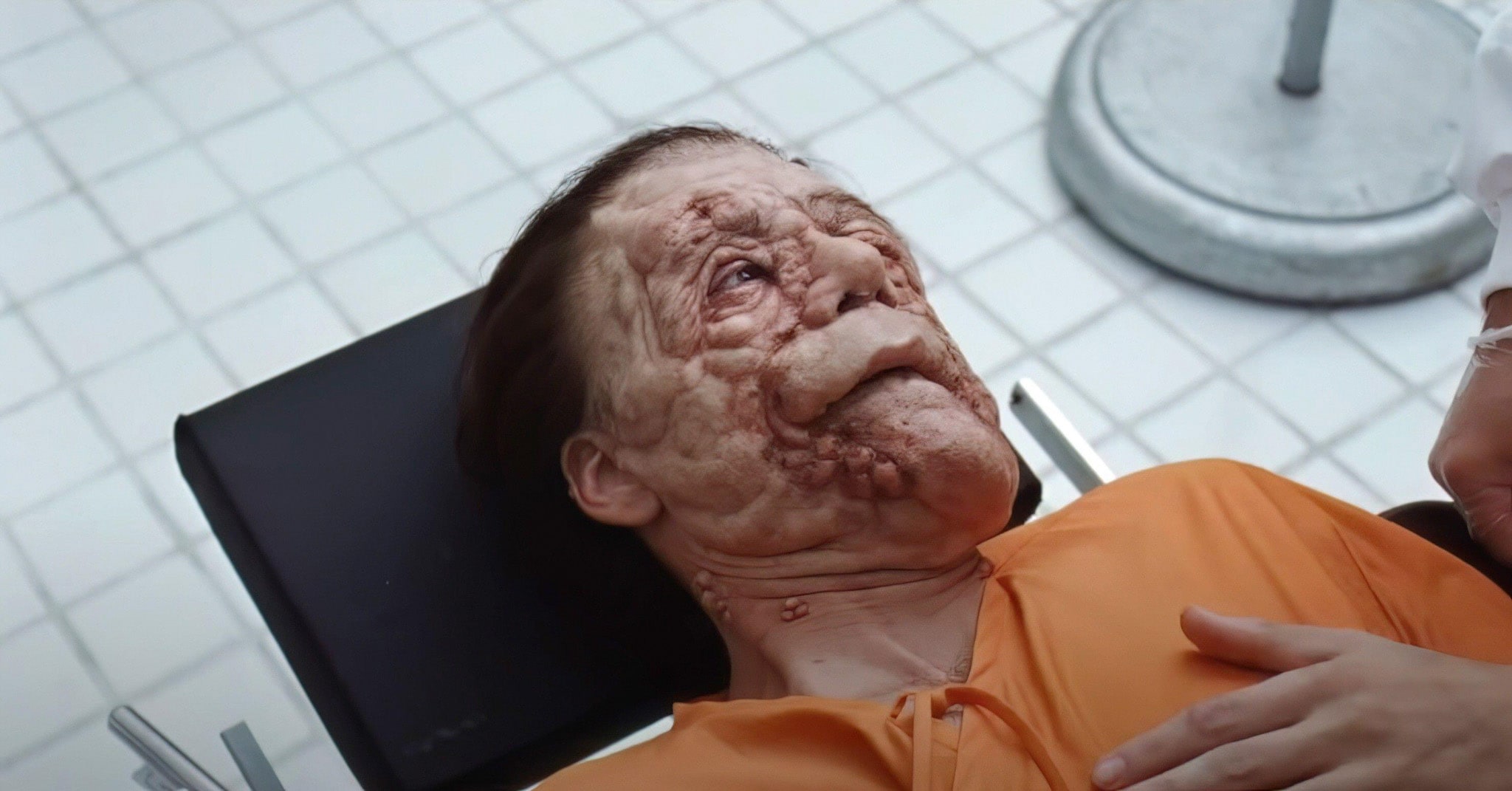
At one point, Marino found the address of Dick Smith, known to everyone as 'the godfather of make-up' because of his work on The Exorcist and Amadeus. He wrote to him, telling him of his desire to pursue a career in special effects. "He immediately wrote me back," he recalls today. Soon Marino started spending hours on the phone with the famous Oscar-winning make-up artist, to whom he asked technical questions and asked for constant feedback. "He would tell me, 'When you finish, send me a picture so we can talk about it'. We had a constant correspondence, and I improved quickly'.

Sebastian Stan nei panni di Edward in “A Different Man”. Courtesy Everett Collection

There was no art school, Marino simply learnt in the field. A friend referred him to Saturday Night Live, where he spent two years, then moved to Los Angeles to work on series like Buffy the Vampire Slayer and its spin-off, Angel. His big break came in 2007, when Jackson De Govia, the set designer of Die Hard, hired him to create a series of nude bodies for Anamorph, starring Willem Dafoe. Retracing their first meeting, Marino recalls when 'I removed the liner that covered one of my fake heads and he exclaimed: "Damn, it's so realistic!"'. De Govia later confided in him that he fought for him during a meeting with the producers, who wanted to hire someone cheaper. "To convince them, he said: 'What he brought wasn't a fake head, it was a work of art'. And he added that it would have been a mistake if they had not hired me".

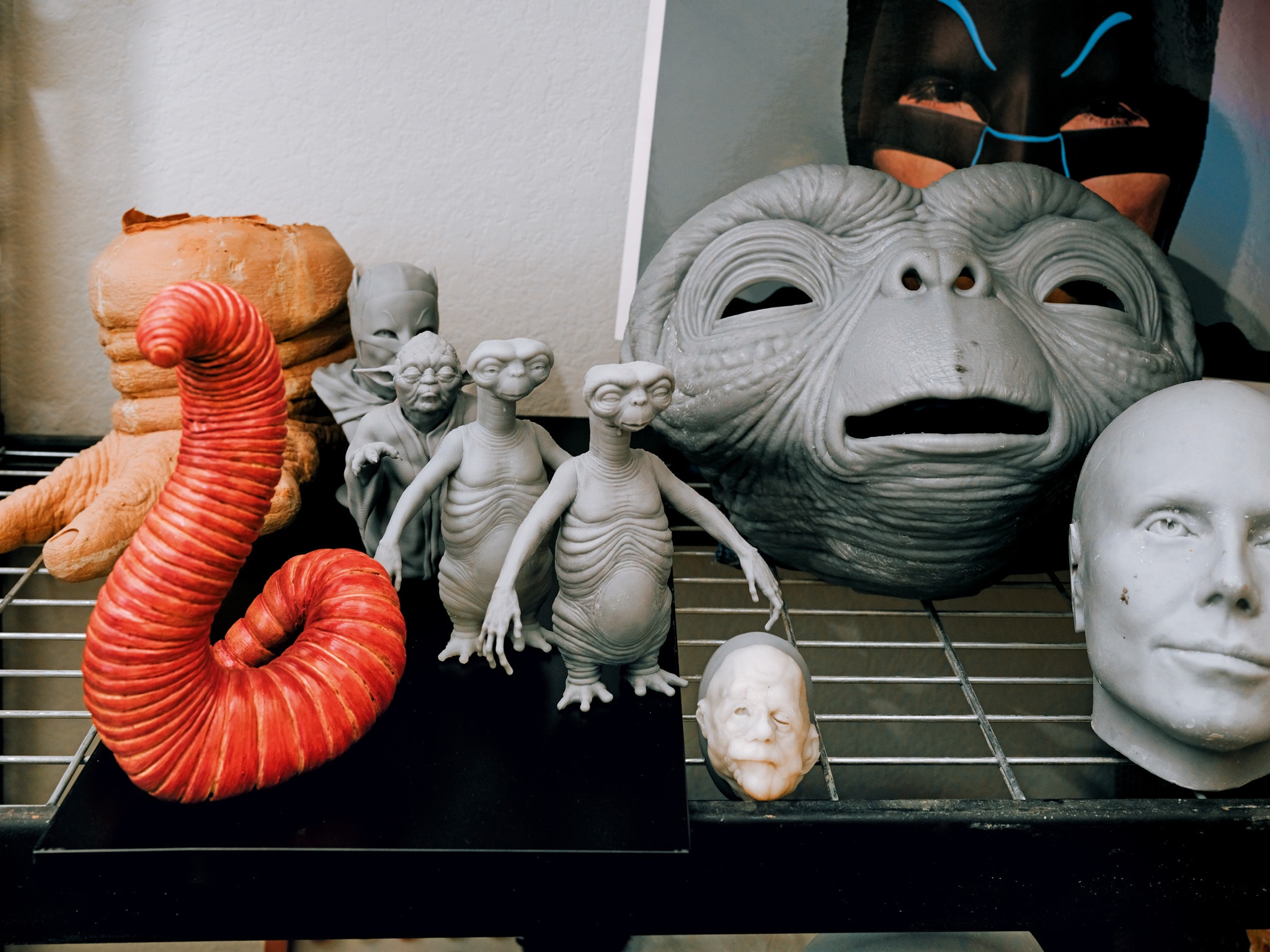
I modellini di Marino, tra cui alcuni costumi di Heidi Klum per Halloween – il Verme, E.T. e Yoda –, Batman e Sebastian Stan in “A Different Man”. © Peyton Fulford

Marino was not the first Hollywood make-up artist to be underestimated. "Jack Pierce, who created the monster in Frankenstein, the Wolf Man and the Mummy, never received any awards or recognition, nor was he well paid," he says. The same is true for Lon Chaney, the actor who starred in the silent film classics The Hunchback of Notre Dame and The Phantom of the Opera: he did his own make-up. 'He fell into the shadows after the advent of sound cinema,' Marino claims. Although Baker and Smith brought lustre to the profession, the industry still struggles for artistic recognition. 'Sometimes our work is overlooked because it is at one with the project. It may well be a compliment, but there is a misconception that it has to be done on the cheap. This is real art, made by hand. Dozens of people with special talents work in our workshops, sometimes for months on end".

In 2014, Marino founded Prosthetic Renaissance, his make-up studio on the East Coast. Today he runs a team of five to 40 artists and only accepts commissions where, he says, he can "make the film stand out and make it better. I always want to create something beautiful and also give a positive message that comes from understanding the world we live in'. It is impossible to find him on the set without well-mixed colours for his airbrush, palettes, special glues, make-up remover, sponges, brushes, variously combined hair and "practically everything imaginable to 'trick' the audience into believing that what we create is truer than the truth". He credits Rick Baker with emphasising the importance of authenticity, no matter how outlandish the story. "I've always tried to make everything as close to the truth as possible. I think everything should always look completely real in person, because only then will it appear authentic behind the lens."

Heidi Klum con il costume da verme alla sua festa di Halloween a New York, nel 2022. ©Gotham/FilmMagic

In the age of artificial intelligence, it is natural to ask whether there will still be a place for Iwata's beloved airbrush in the future of cinema. Marino responds vehemently: 'Artificial intelligence is piracy, it is theft from all the art on the planet - from writing to painting, to camera lenses, everything. It's just software, but AI is thievery'. When he is not busy working, he is studying film, writing and drawing hundreds of storyboards for the coming-of-age drama he has written and hopes to direct, based on a true story set in New York in the late 1980s (he plans to start shooting this year). From time to time he draws or sculpts just for fun, and sometimes he even manages to go on holiday. But it's only a matter of days before he feels like going back to work. "It's such an important part of me that I can't do without it," he says. "I think it's like breathing."

AL TRUCCO MIKE MARINO, @prorenfx.

Copyright reserved ©
Loading...
Loading...

Newsletter

Notizie e approfondimenti sugli avvenimenti politici, economici e finanziari.

Iscriviti