
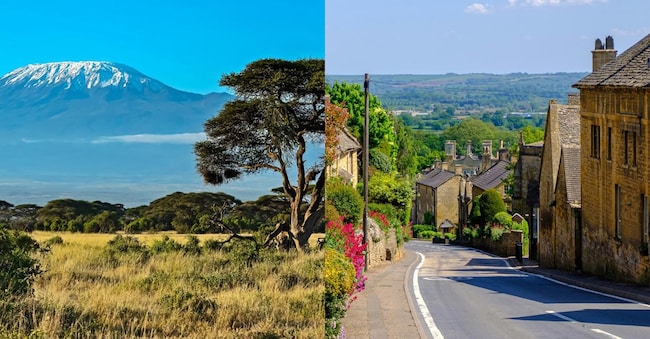
So where are we off to? Kenya in Africa, Cornwall in Europe and Peru in South America
These are some of the favourite destinations for summer 2026, according to the Airalo eSIM survey conducted with YouGov

Key points
A growing interest in destinations such as the United Kingdom and Georgia, the rise of so-called ‘adventure gastronomy’ in South American countries, and a strong push towards sustainable tourism in Africa and the Atlantic archipelagos. These are some of the travel trends for summer 2026, according to research conducted by the eSIM platform Airalo (chosen by 30 million travellers across more than 200 destinations), supported by a YouGov survey analysing the behaviour and preferences of Italian travellers ahead of the summer season. More generally, the study highlights a search for a more authentic connection with local areas and a clear generational divide in approaches to the travel experience. Here’s how these trends are redefining the landscape of international tourism.
The Return of the North and the Allure of the East
Among the destinations showing the most significant growth, the United Kingdom stands out, with a very marked rise in interest. What is changing, however, is above all the way in which it is explored: travellers’ attention is shifting away from major cities towards a slower form of tourism, which finds its ideal setting in the Scottish Highlands and the coastal landscapes of Cornwall. At the same time, further east, Georgia is establishing itself as a highly attractive emerging destination. This country captivates visitors with its genuinely warm welcome and its ancient food and wine traditions, offering a culinary and cultural experience deeply rooted in the local area.
In South America for a culinary adventure
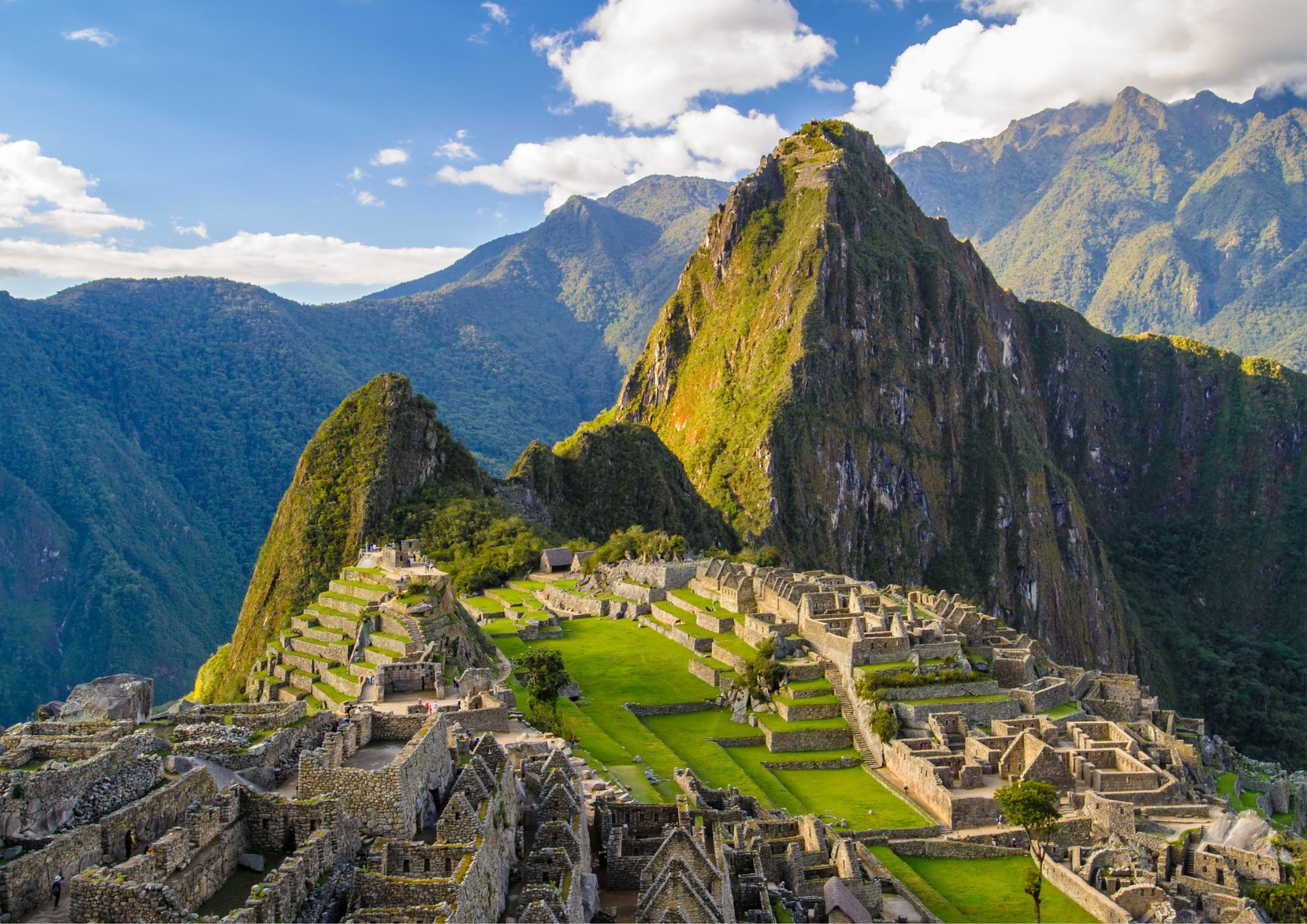
Looking across the ocean, South America continues to be one of the most dynamic regions for Italian tourism. Countries such as Peru, Colombia and Brazil are attracting an ever-increasing number of visitors seeking an authentic connection with nature and local cultures. In these regions, the trend for ‘adventure gastronomy’ is gaining ground – a travel model that combines outdoor physical activity with the discovery of local culinary traditions. Food is no longer seen merely as a logistical aspect of a holiday, but has become a genuine cultural lens through which to understand the history and identity of the place being visited, combining excursions in the local area with an appreciation of local producers.

Sustainability from Kenya to Cape Verde
A growing awareness of the environment and the wellbeing of local communities is also reshaping traditional long-haul tourist destinations. In Kenya, there is a growing preference for sustainable safari packages, designed to minimise environmental impact and actively support local communities through a more responsible engagement with the local area. A similar approach can be seen in the trends driving travellers to Morocco, where there is growing demand for stays in traditional riads and desert experiences, and to Cape Verde. In the latter archipelago, the less-visited islands are particularly favoured by those seeking a more relaxed pace of life and a lighter tourist footprint.

A profile of the modern traveller
The factors driving the choice of destination reveal a multifaceted picture in which economic, climatic and personal factors are intertwined. Whilst the overall cost of the trip remains the main deciding factor for 62 per cent of respondents, the importance attached to the safety of the destination is also growing (44 per cent), followed by climate (35 per cent), cultural offerings (34 per cent) and ease of access (31 per cent). Furthermore, choices are also influenced by perceptions of geopolitical stability, which lead travellers to favour destinations served by reliable, direct flight routes. This complexity is also reflected in generational differences. Younger travellers, belonging to Gen Z, show a marked inclination towards adventure and outdoor sports, considering these to be decisive factors in their travel planning. In contrast, older generations, such as the Baby Boomers, tend to prioritise comfort, stability and favourable weather conditions, seeking a more structured, relaxing experience that is sheltered from unexpected weather events.

