
Why are mini PCs flying off the shelves? Yes, artificial intelligence is involved
While PCs and laptops slow down, demand for mini PCs grows in double figures

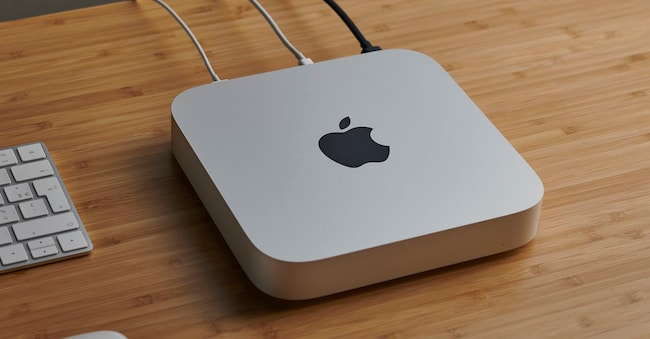
The hardware market is going through an abnormal phase. While PCs and laptops are slowing down, due to weak demand and the RAM and CPU crisis, demand for mini PCs is growing in double figures. The impetus comes from the development and use of local artificial intelligence models: open source models such as those of Meta (Llama) or Mistral make local inference feasible, without going through the cloud. In this scenario, compact, cheap and low-power hardware has become a way to run agents, custom models and private AI applications.
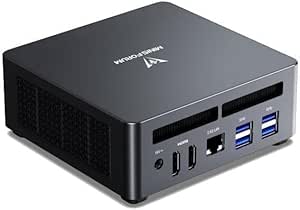
The reasons are many. A mid-to-high-end mini PC consumes little power, can be on around the clock, seven days a week. These are strategic characteristics when it comes to hosting 'light' AI agents, which do not need to process thousands of parameters per second, but need operational continuity and low running costs. A process of diffusion that closely resembles that of microprocessors in the 1980s: first computing was centralised in big computers, then it landed on desks all over the world.
The most obvious signal comes from Apple. Buying a Mac mini today has become an exercise in patience, or more likely luck. In the last few hours, the Apple Store has officially removed the possibility of ordering the €729 base model: the configuration with M4 chip and 256 GB of storage is 'currently unavailable', effectively preventing users from even queuing up to purchase. Demand - largely from developers using the device for AI loads - has exceeded supply forecasts. This trend reflects a structural change in the expectations of buyers, who are no longer interested in the desktop machine as an individual tool, but as a node in an infrastructure geared towards intelligent data processing.
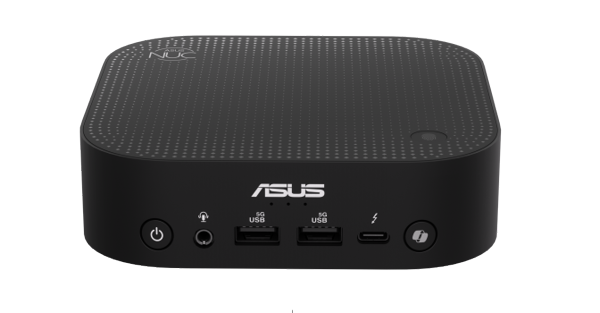
Apple is not the only one benefiting from the growth. The Windows world has also moved decisively: the new Intel Core Ultra processors and AMD Ryzen AI platforms integrate dedicated NPUs, designed to handle local AI inference loads capable of exceeding 40 tops, the threshold indicated by Microsoft for Windows 11's Copilot+ functions. Among the models attracting the most interest are the Asus NUC 14 Pro (equipped with an Intel Core Ultra processor), the Beelink SER 9, with the AMD Ryzen 9 AI processor (capable of unleashing up to 50 tops), Geekom in both the Ryzen 9 and 7 versions, and the Minisforum X1 Pro with integrated Copilot. All cheap machines - under 800 euros - but with enough power to run locally optimised models. And they have a real advantage: compared to Apple's closed ecosystem, Windows mini PCs offer more flexibility: they support frameworks such as PyTorch, ONNX Runtime and llama.cpp, adapting better to heterogeneous enterprise and development environments.
Structural limitations remain. Mini PCs, even in the most advanced configurations, place real constraints on the size of models that can be run locally. It is possible to run quantised open source LLMs or specialised models, but within precise thresholds of parameters and complexity. Frontier models, such as those of the GPT-4 class or the more advanced versions of Claude and Gemini, require infrastructures with tens or hundreds of gigabytes of VRAM, multi-GPU systems and computing capabilities that are completely beyond the scale of a desktop device. This does not diminish the role of mini-PCs in the current phase. Rather, it defines their perimeter: tools suitable for personal agents, light automation, development and experimentation. They do not replace the cloud, but flank it. And precisely because of this, they can become the first concrete and accessible object of a transition towards a more personal and distributed AI.

