Esg criteria

Wine and sustainability, Italian wineries leading in B Corp certification

Here is how 7 winegrowing companies successfully implement socially responsible actions while respecting the environment

by Emiliano Sgambato

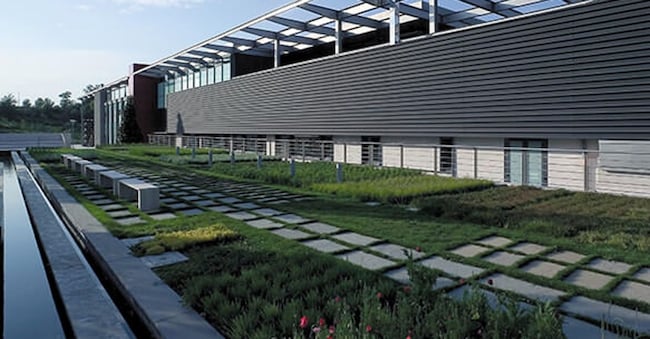
La cantina dei Feudi di San Gregorio costruita all’insegna della sostenibilità

3' min read

3' min read

Perlage Winery, Feudi di San Gregorio, Avignonesi, Tasca d'Almerita, Cielo e Terra, Perrini and Marcel Zanolari: just seven, but they are enough to make Italy the leading country in Europe in certified B Corp sustainability in the wine sector. According to data from B Lab (the Foundation that represents and coordinates the B Corp movement) Italy, in fact, accounts for 30% of the B Corps present in Europe (23 in total) and 10% of the world's entities, surpassing France and Denmark (6 and 3 respectively).

Green certifications, growing trend

The 7 wineries certified in 2023 are distinguished by their commitment to sustainability and social responsibility, 'finding in the environment the technological innovation from which to promote real positive change in the supply chain'. According to B Lab, they have generated anaggregate turnover of more than 125 million euro and are part of a movement that in Italy has 309 'associates' that employ more than 29 thousand people, generating a turnover that exceeds 15.5 billion euro.
The 'wine club' is however growing: another 16 companies have decided to approach the sustainability model and measure their performance through the B Impact Assessment metric, while two are already on the path to certification for 2025.

Loading...

"The wine sector is a flagship of the Italian economy and our cultural identity. The B Corp companies operating in this sector are the embodiment of savoir faire, and represent virtuous models, creating value and generating positive impacts for the natural ecosystem, the environment, the communities and the people who work there. These realities,' comments Anna Puccio, managing director of B Lab Italia, 'have chosen to merge innovation and sustainability, embracing the B Corp philosophy, committing to various actions for sustainable viticulture, such as reducing the use of pesticides, protecting and enhancing their territory'.

Green innovation in the cellar

Among the actions taken by the centred wineries, Perlage Winery saved over a tonne of conventional packaging material by creating stretch fibre material, and avoided the emission of 214 tonnes of CO2 through the production of lighter bottles.

Feudi di San Gregorio uses 100% electricity from renewable sources, while 40% is self-produced by photovoltaic plants. In addition, the company has developed the implementation of increasingly low-impact cultivation methods, the adoption of more sustainable packaging components, as well as socially and environmentally conscious projects.

Avignonesi has planted native trees and plants to protect the vines and local biodiversity and is implementing circular economy solutions for packaging to increase the percentage of recycled and recyclable materials.

Tasca D'Almerita has avoided the emission of 8.54 tonnes of C02 by reducing the weight of its bottles and increased the surface area of uncultivated natural areas, lakes, streams and forests by 13%. It has also spurred the creation of SOStain, the first sustainability programme for Sicilian viticulture.

Perrini raises free-range animals for natural fertilisation, supports suppliers and local communities and joins the Wine-AUT solidarity project for autistic children.

Marcel Zanolari is abandoning monoculture to introduce synergistic plant species to the soil to make healthier vineyards and higher quality wines, as well as using biodynamic and natural preparations as an alternative to pesticides and fertilisers.

Finally, Cielo e Terra has been powered exclusively by electricity from certified renewable sources since 2017 and in the last five years has recovered over 45 thousand cubic metres of water, the equivalent of the annual consumption of about 250 households, reduced waste production by 10% compared to 2022, with a drop of about 40 tonnes of waste. All company waste is destined for recovery and recycling operations, underlining the commitment to circular material management. "Thanks to these results," underline B Lab, "Cielo e Terra confirms itself as the winery with the highest turnover to be Zerowaste and with the best Water Footprint (Wfp) among the Viva certified wineries. From 2025, the company will only use Fsc-certified materials, further strengthening its sustainable and responsible approach'.

Positive effects on turnover

"In addition to the positive impact on the environment and the community," explain B Lab, "B Corp certification also brings with it reward in economic terms. As shown by research carried out by the Research department of Intesa Sanpaolo, in 2022 the turnover of these companies showed agrowth of 32.4% in median terms compared to 2019, higher than the 19% recorded by non-B Corp companies".

B Corp certification and the legal status of a benefit corporation are two different although complementary. B Corporations are companies that, following the achievement of a high score in the measurement of their social and environmental impact, have obtained certification that guarantees that the company operates to the highest standards. The benefit company, on the other hand, is a legal form that the company can adopt and then produce a sustainability report.

Copyright reserved ©
Loading...

Brand connect

Loading...

Newsletter

Notizie e approfondimenti sugli avvenimenti politici, economici e finanziari.

Iscriviti