
Wine, art and territory drive the growth of Cantine Ermes
The company supports contemporary art with its subsidiary Tenute Orestiadi in Gibellina
by Nino Amadore
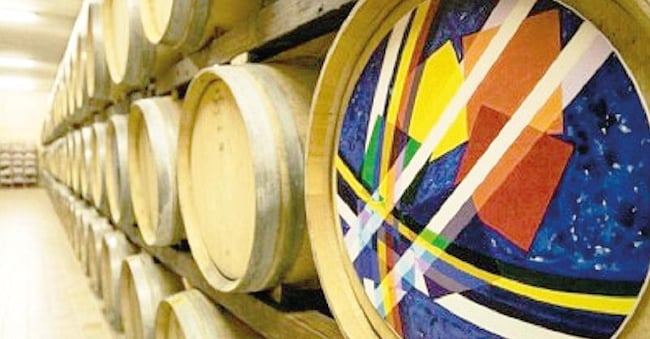
There is a thread linking wine, contemporary art and territorial identity in the heart of the Belice Valley. It is the same thread that Cantine Ermes has been weaving for years and that today is enriched with a new piece: the Bistrot Orestiadi, the space of hospitality and conviviality that will be presented on 19 March in Gibellina.
The wine-growing cooperative founded in Santa Ninfa in 1998, today one of the most important realities on the national wine-growing scene with over 14,394 hectares under vine and more than 2,700 members spread over six regions, has over time built a project that goes beyond wine production and aims to tell the story of a territory. Other numbers tell the story of an expanding cooperative model: 190 permanent employees, who become more than 300 during the grape harvest. "The Tenute Orestiadi project was born as a tale of the Belice Valley territory through wine," explains Rosario Di Maria, president of Cantine Ermes, recalling his meeting with Ludovico Corrao, the visionary mayor of Gibellina's reconstruction after the 1968 earthquake. "Corrao had the great intuition of rebuilding a territory through culture and art. When I explained the project of our cooperative to him, he granted us the use of the name Orestiadi. That is where the whole journey began,' Di Maria recounts.
Over time, the project has combined wine with a broader idea of territorial valorisation, starting with the relationship with the Orestiadi Foundation. In fact, the Tenute Orestiadi brand was also created to support the foundation's cultural activities: a part of the value of the bottles contributes, through a royalty system, to artistic programming, alongside sponsorships and collaborations with the foundation's own initiatives. Among the initiatives undertaken in recent years is the care of a green area in the city, the Giardino del Mediterraneo, next to which the cooperative has created the Vigneto del Mediterraneo, a symbolic space dedicated to dialogue between wine cultures. The bistro is the latest step along this path. The opening comes at a symbolic moment for the city, the Italian capital of contemporary art. 'Today Gibellina is finally in the spotlight and we can recount its redemption after reconstruction,' adds the president of the cooperative. Alongside the cultural project, the cooperative's economic weight is also growing. In 2025, Cantine Ermes recorded a consolidated turnover of 152 million euros, up from 147 million in 2024. The consolidated figure also includes Tenute Orestiadi, while the turnover of Cantine Ermes alone in 2024 was just over 121 million. Meanwhile, the path of industrial expansion also continues. Cantine Ermes recently acquired its fifteenth plant in Emilia-Romagna, consolidating its presence in one of the symbolic regions of Italian cooperation. "We have exceeded 16,000 hectares conferred and today operate in six regions. In terms of vineyard area, we are the largest cooperative in Italia and among the first for organic grape processing,' Di Maria emphasises.


