
Wine, top 5 wineries produce 18% DOC and IGT: evidence of concentration?
Valoritalia data point to the process of aggregation between companies, which should be followed by the denominations: the small ones slow down while the medium-large ones increase bottling

The top five Italian wineries produce 18% of Italy's wine. This is one of the most significant figures to emerge from an analysis of 2025 data by Valoritalia, the body that certifies two billion bottles out of Italy's total production of around three. A figure that is also unprecedented and the result of the new Tessa platform, created by Valoritalia and Microsoft, which enables the processing of large quantities of data and the movements generated by the more than 90 thousand Italian wineries involved in the production and marketing of the 219 certified designations of origin.
The number is the result of an aggregation process that many had hoped for and that some are finally beginning to put into practice. The top five players include the main Italian cooperatives (which have been merging and incorporating for a few years now) and the leading private winery, Argea, which was created through the merger of two medium-sized companies such as Botter and Mondo del Vino.
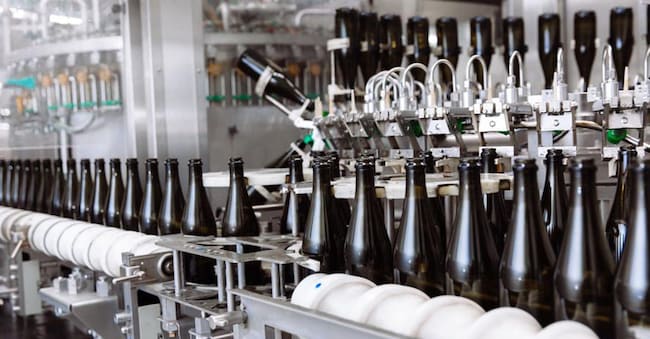
The Valoritalia data also take a look at "bottled wine", i.e. the quantities of wine packaged by wineries. This is not the product actually sold, but a reliable market preview of the wine that is about to be put on the market based on demand trends. It is a picture that shows that the sector is holding its ground: total bottlings are down slightly (-2.1%) compared to 2024. An average that is the synthesis of the growth in DOC and DOCG wines (+1%) and the marked drop (-10%) in wines with Typical Geographical Indications. Among the types, sparkling wines (+1%), rosé wines (+5.7%) and white wines (+2.7%) are still growing. On the other hand, the drop in red wines worsened (-13%).
"The report,' commented the president of Valoritalia, Francesco Liantonio, 'returns the image of a solid sector, in which the availability of structured and homogeneous data represents a strategic tool to support the activities of analysis, planning and protection of designations.
Valoritalia's analyses also allow the state of the DOC, DOCG and IGT system to be monitored. And the figures show thatthe 'micro-denominations', i.e. those that in 2025 registered bottlings of less than 10 thousand hectolitres and represent more than 70% of the 219 brands certified by Valoritalia, lost 7.2%. Next came the 19 medium-small DOCs (with production volumes of between 20 and 50 thousand hectolitres), which lost 4.7%. The 20 medium-large labels (between 50 thousand and 150 thousand hectolitres) grew by 4 per cent while the large denominations (the only 14 with volumes of more than 150 thousand hectolitres) substantially held their positions.


