Autumn hospitality smells of wine
From Piedmont to Sicily, an itinerary among wine resorts offering research cuisine and stays between history and contemporaneity

4' min read
4' min read
There was a time when all you needed was a glass in your hand and a comfortable pair of shoes to visit a winery. Today you arrive with a trolley, sleep with a view of the vineyards and above all dine on tasting menus signed by chefs with international CVs. In the world of wine, hospitality has taken a quantum leap. And it has done so in the kitchen. The restaurants within the wineries are no longer an accessory detail or a weekend fad, but the centre of a more ambitious narrative: that of a territory that is told not only in the glass, but also on the plate. And so, from Piedmont to Sicily, you eat (very well) right where the wine is born. With good peace to those who thought that a scenic wine cellar was enough to make wine tourism.
Research and taste on the plate
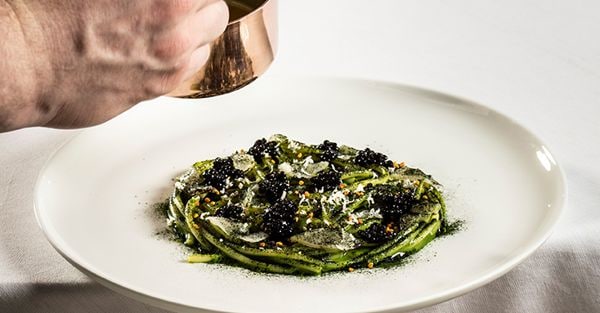
L'Albereta in Erbusco, in the heart of Franciacorta, is a symbol (and pioneer) of this symbiosis between wine and haute cuisine. For more than twenty years, the Moretti family's wine resort was the home of Gualtiero Marchesi and today it is the excellent Piedmontese chef Alberto Quadrio - who was the Maestro's young pupil - who picks up his legacy and leads the L'Aurum restaurant (named after the laurel, the plant most commonly found on the Bellavista hill). He does this by drawing on the estate's vegetable gardens and orchard and relying on other raw materials from selected local producers. The cold spaghetti, bitter herbs, marinated sturgeon and its eggs are a declaration of intent: technique, balance and territory.
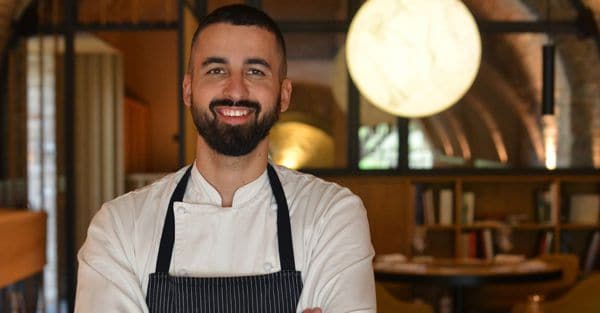
Born in the Ukraine in 1994, trained in excellence (Crippa and Cannavacciuolo), Mykyta Bida is the new chef at Radici, the restaurant of Le Marne Relais, on the Mura Mura farm, founded by Guido Martinetti and Federico Grom. Here, among the vineyard hills of Costigliole d'Asti, in a room with a brick vault dating back to 1878, Bida reinterprets Piedmontese tradition with an elegant hand and a contemporary spirit. An example? The Tajarin 30 yolks, mantecati with smoked butter and sourdough, with Madagascar black pepper and brewer's yeast powder.
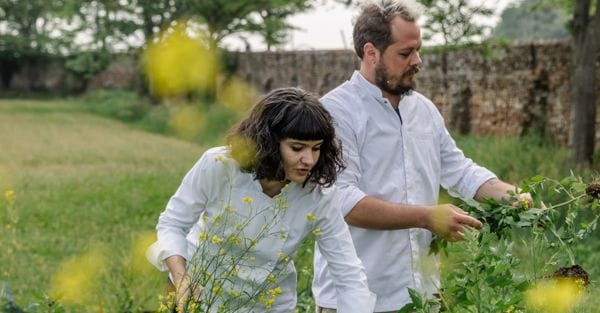
We move to the Venetian lagoon, on the island of Mazzorbo: Venissa has transformed an ancient walled vineyard and a handful of houses into an essential, silent wine resort, surrounded by water. The 'environmental' cuisine signed by Chiara Pavan and Francesco Brutto stems from a radical and concrete idea of sustainability, which starts from the vegetable garden and arrives at the recovery of the 'alien' species that inhabit the lagoon, such as the blue crab. Venissa wine, from Dorona grapes, closes the circle: it is golden, savoury, almost brackish. And it accompanies dishes that dialogue, interpret and cherish the place.
From Val Orcia to Chianti classico
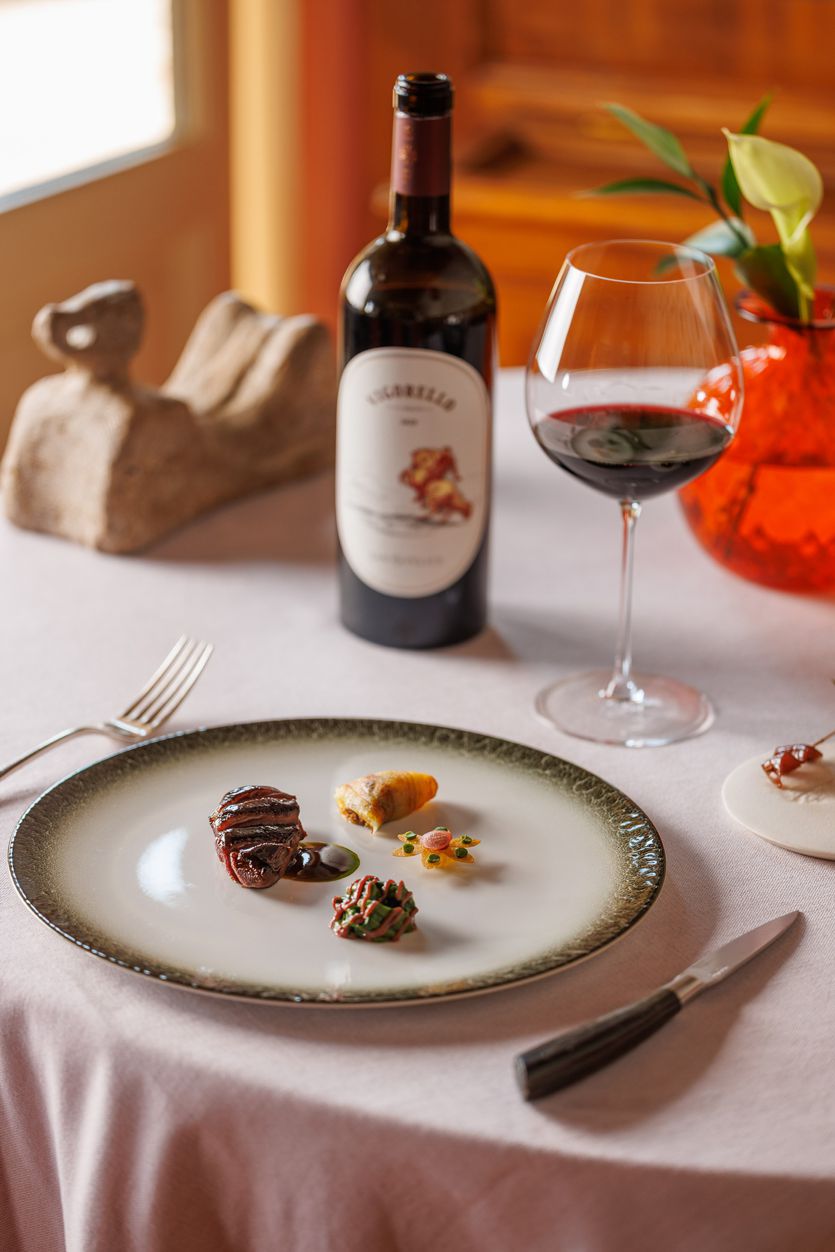
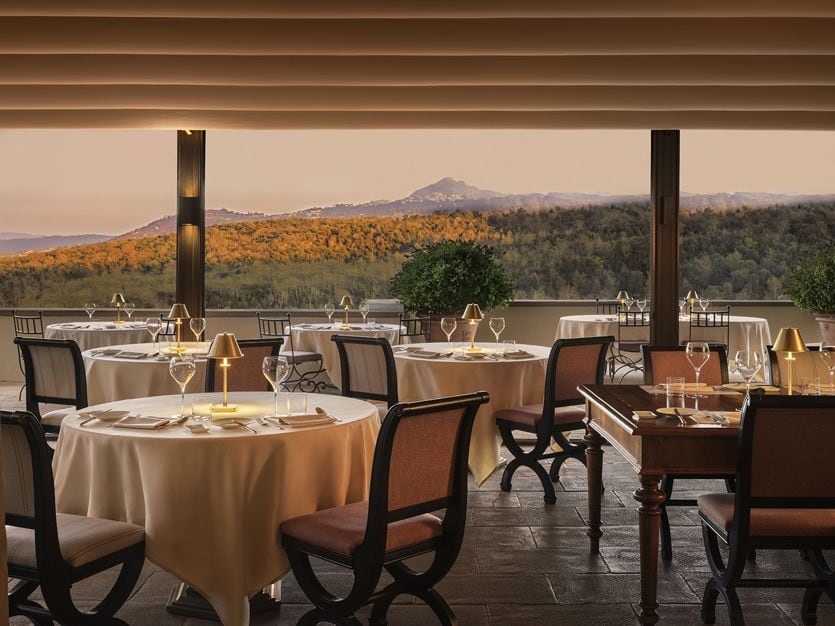
In Tuscany, between Montalcino and Chianti Classico, the link between wine and cuisine finds one of its most accomplished expressions. In 2025, Rosewood Castiglion del Bosco, a wine resort with 42 suites and 11 private villas set in a 2,000-hectare estate in the Val d'Orcia Natural Park, will be 10 years old. With two Michelin stars, the Campo del Drago restaurant has become a destination within a destination: thanks to executive chef Matteo Temperini, author of a refined and visceral cuisine. Note for wine enthusiasts: the ancient well adjacent to the restaurant has now been transformed - based on an idea by Massimo and Chiara Ferragamo - into a vault dedicated to the treasures of world oenology. In addition to the complete vertical tasting of Brunello di Montalcino by Castiglion del Bosco, the "Cantinetta di Massimo" houses many of the rarest vintages of Supertuscan, Champagne, Burgundy and Bordeaux.