
Wine tourism: a quantum leap in transport and communication is needed
Movimento Turismo del Vino-Ceseo survey: to get the sector off the ground, synergies are needed on transport, with the overall tourist offer also improving online visibility

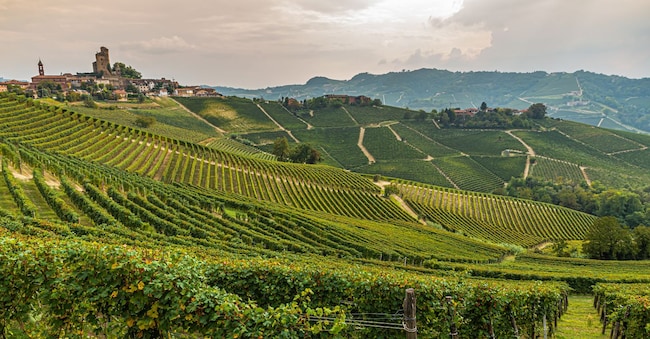
Wine tourism is doing well, confirming itself as an asset on which to focus for the future of the entire wine sector, but more needs to be done: improving transport, communication and synergies with the more general tourist offer. This is what emerges from the survey conducted by the Wine Tourism Movement together with Ceseo (Lumsa's Centre for Wine and Oil Tourism Studies). Evaluations that will also be useful to the new Minister of Tourism, Gianmarco Mazzi, who during Vinitaly reiterated on several occasions that he was betting heavily on wine tourism as a factor of attraction and diversification of tourist flows towards rural areas by decongesting large cities.
Centre South companies drive turnover
Turnover in the sector was stable for 38.6% of the wineries surveyed, even though as many as 59.8% of them recorded an increase in the number of visitors (this figure was driven by companies in the Centre South).
Of Italy's 104 million visitors, only 10% have visited a winery
One of the key figures revealed by the survey is that out of a tourist flow in Italy of 104 million travellers, only 10% of these visited a winery. Numbers that suggest significant growth potential.
'The data emerging from the survey,' commented the president of the Wine Tourism Movement, Violante Gardini Cinelli Colombini, 'confirm that the time has come to make a qualitative leap. It is not enough to attract visitors: we must work on the visibility and accessibility of the wineries, shifting the focus from visitor numbers to target qualification. In fact, ours is a 'limited growth' tourism and must be managed by focusing on those who are or want to become wine lovers. Among them are foreign visitors who not only have a greater propensity to spend - in terms of experiences and bottle shopping - but also open the door to exports. This means investing in communication and hospitality. Currently only 39% of wineries explain on their website how to get there by public transport. Almost 70% of our companies send their experience booklets to agencies only once a year, or only on request. Figures that when added to the 38% of tourist offices in wine cities that are certainly closed on public holidays and half of the wine cellars open on Sundays by reservation only, show a picture that can be improved quickly and with certain positive results'.
The majority of visitors arrive at the winery by their own means
On the accessibility front, all wine cellars stated that visitors arrive mainly by their own means, 42.8% also receive tourist buses, and 28.4% of wine cellars also welcome visitors by bicycle or on foot. But above all, there is the problem of high transport costs to reach the wine cellars by means other than the private car. One solution could be to develop partnerships with local operators to reduce car dependency.


