
With 1% agri-voltaic area would double target 2030
Estimates presented at the day organised by Anie Confindustria
2' min read
2' min read
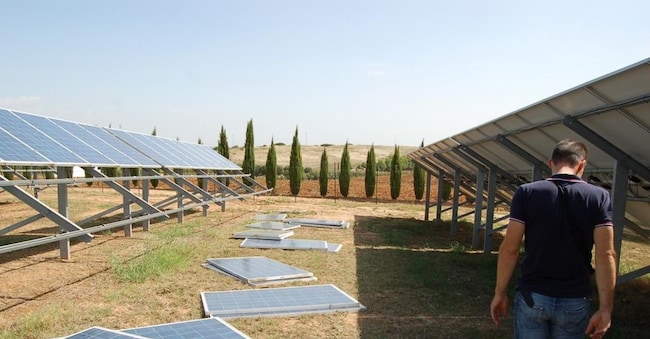
According to the European Commission's Joint Research Centre, it would be enough to allocate 1.06% of the European Union's utilised agricultural area to agrivolics to reach an installed photovoltaic capacity of almost 944 GW by 2030, almost double the target of 590 GW set. This is one of the data highlighted at the conference promoted by Anie Confindustria, 'The day of agrivoltaics: the impact of the Fer Consolidation Act and the Environment Decree', held today in Rome. Italy, it is explained, is one of the countries most ready to exploit the potential of agrivoltage. In 2023, agrivoltaics was the fastest growing technology, counting projects for almost 16 GW. In September 2024 the Pnrr call for tenders to finance agri-voltaic plants closed with data confirming strong interest from operators: over 920 million euro requested, 643 projects presented for a total capacity of over 1.7 GW. But Anie points out: 'In a scenario of opportunities for the sector, there are nevertheless numerous obstacles to the spread of agri-voltaics in our country, starting with complex regulations. Compatibility with agricultural policies is another aspect that can limit development; in this sense, today the Ministry of the Environment's Guidelines are the reference for the sector, 'but a clear regulatory definition of what is meant by 'agri-voltaic plant' must be introduced'. According to analyses conducted by Anie Confindustria and the Milan Polytechnic, the photovoltaic and wind power sectors are estimated to generate around 10 billion euros in 2023. The analysis underlines that investments for the development of the renewable energy supply chain (RES) between 2024 and 2030 could vary between 45 and 90 billion euros, depending on the growth scenario of RES, with an employment potential of up to 100,000 people.

