
With petrol prices so high, taxi and private hire drivers are calling for commercial fuel and tax credits. And there’s a new surcharge on journeys
A letter to the Prime Minister and the Ministers for the Economy and Transport, signed by eight trade associations from the non-scheduled transport sector, calls for immediate action to counter the impact of rising fuel prices on operators’ running costs. Bittarelli (ItTaxi) calls on mayors to allow a fare surcharge: costs are unsustainable, and drivers are ready to strike
by Flavia Landolfi and Vittorio Nuti
 Aggiungi Il Sole 24 Ore
ai preferiti su Google
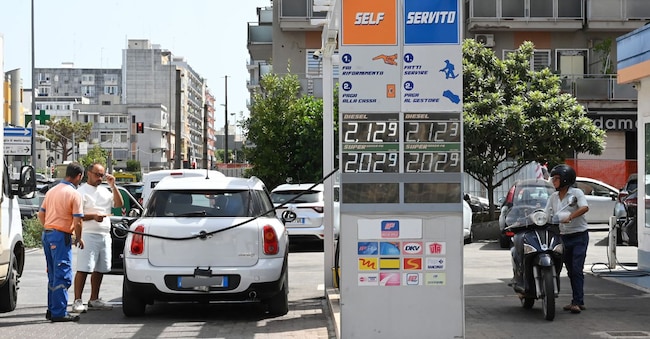
Divided by the reform of non-scheduled transport, united by high fuel prices. It took the energy crisis caused by the wars in Iran and Ukraine – which is hitting the transport sector particularly hard – and the resulting surge in prices at the pump to forge an unprecedented alliance between taxis and private hire vehicles. For once, black and white cars are standing shoulder to shoulder to call on the Government to take immediate measures to counter the impact of rising petrol and diesel prices on the operating costs of professional transport operators, whether they be taxi drivers or private hire drivers.
“Professional fuel” as used in road haulage
The requests from the taxi and private hire sectors – summarised in a letter addressed to the Prime Minister, Giorgia Meloni, and to the Ministers for the Economy and Transport, signed by no fewer than nine associations representing the two sectors, which account for around 80 per cent of operators – are twofold: unrestricted access to ‘commercial fuel’ exempt from excise duty and a tax credit for non-scheduled public transport services provided by private hire vehicles.
In the first case, the letter states, this involves extending the scheme ‘to non-scheduled public service operators of commercial vehicles, with a view to keeping service costs down for users’, something which already takes place ‘in much of Europe for companies in the sector and as is also the case in Italia, but limited to freight transport and agricultural transport’.
Tax credits to offset price rises in recent months
The second request to the Government concerns ‘the introduction of a tax credit for non-scheduled public transport services by car, covering the period from March to October 2026 and taking into account increases in fuel prices compared with February 2026’.
Joining forces to request a meeting with the relevant ministers “to initiate a dialogue” and “identify the most urgent solutions capable of safeguarding a sector that plays a fundamental role in the system of tourist mobility and high-quality transport services” are Andrea Romano (Federazione MuoverSì), Mauro Ferri (Anitrav), Giorgio Dell’Artino (Comitato Air), Francesco Artusa (Sistema Trasporti), Giacomo Briamo (Asincc), Alessio Tavecchio (FIA NCC), Roberto Massullo (URI – Unione Radiotaxi d’Italia), Loreno Bittarelli (itTaxi Consortium) and Lorenzo Stura (Unicoop).

