
As fuel prices rise, electric cars are becoming even more cost-effective

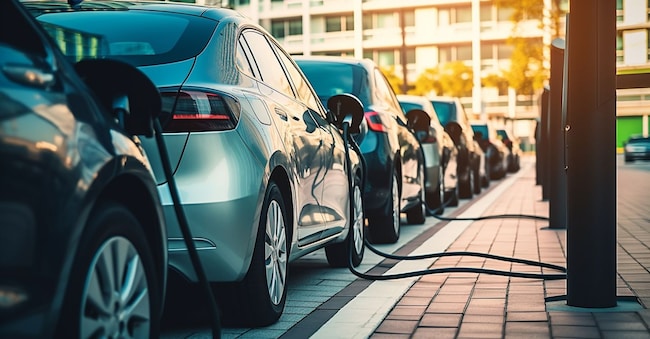
It is intuitively obvious that using electric cars is more advantageous than using internal combustion engine vehicles. Less obvious, however, is the extent of the savings achieved by replacing a full tank of petrol or diesel with an electric charge; all the more so at a time like the present, when fuel prices are soaring due to tensions on the global energy markets following navigation difficulties in the Strait of Hormuz. The data compiled by Motus-E paint a clear and indisputable picture. According to these findings, with 80 per cent of recharging carried out at home and 20 per cent at public charging points, travelling 100 kilometres in an electric car costs on average around €5.50, compared with €11.60 for a similar petrol car and €11.50 for a diesel car. This is without taking into account subscriptions, packages and offers from charging operators.
The saving is even greater if you only charge at home, falling on average to around 4.5 euros per 100 kilometres: around 60 per cent less than petrol. But what if you don’t have a parking space where you can charge at home or at work? The financial benefit compared with petrol and diesel is reduced, but remains substantial, with an average cost of 9.4 euros per 100 km (19 per cent less than petrol, 18 per cent less than diesel). For those who drive 12,000 kilometres a year, the savings compared to a petrol car can exceed 850 euros a year.
If, moreover, the analysis is broadened beyond fuel costs alone to include all running costs associated with the vehicle (the so-called Total Cost of Ownership – TCO – which includes the purchase price, maintenance, insurance and road tax, minus the final resale value), the value for money increases even further.
In the city car segment, the most common in Italia, the TCO analysis shows a saving of around €3,300 compared with petrol over a six-year period, despite the higher purchase price, assuming an annual mileage of 12,000 kilometres and 80 per cent of charging taking place at home. The cost savings can be even greater in higher vehicle segments, partly due to maintenance costs, which are significantly lower for electric cars.
“The figures show that electric mobility is not just a choice for environmental sustainability, but a real opportunity for families and businesses to save money,” notes Fabio Pressi, president of Motus-E. “An opportunity that is increasingly accessible to everyone thanks to a publicly accessible charging network that continues to grow thanks to the commitment of charging operators.”

