Cannes Film Festival

"Woman and Child', a family drama about Iranian society

After 'Leila and Her Brothers', Saeed Roustaee returns to the Croisette

3' min read

3' min read

Iranian cinema is again the star at the Cannes Film Festival: after Jafar Panahi's beautiful 'A Simple Accident', it was the turn of 'Woman and Child', a new feature by Saeed Roustaee, who returned to the Croisette three years after 'Leila and Her Brothers'.

As in the previous feature film, a family breakdown is at the centre of the narrative, but this time the main characters are a mother and her son.

Loading...

Mahnaz is a 45-year-old widow forced to bring up a young daughter and a teenage boy on her own. The latter is going through a period of strong rebellion, both at school and at home, and her relationship with her mother is increasingly difficult. While Mahnaz is preparing to marry her fiancé Hamid, a tragedy unexpectedly strikes her and the rest of her family.

The protagonist's story is an individual affair with a universal flavour, capable of recounting many facets of Iranian society: Mahnaz is a single woman who begins her own personal struggle against various aspects of patriarchy, within a path that can be seen as a kind of revenge in stages to try to somehow get justice.

In this sense, her character may also recall that of Leila in the previous film, another essentially lonely woman trying to fight against the decisions of the many men by whom she is surrounded.
Symbolic spaces

.

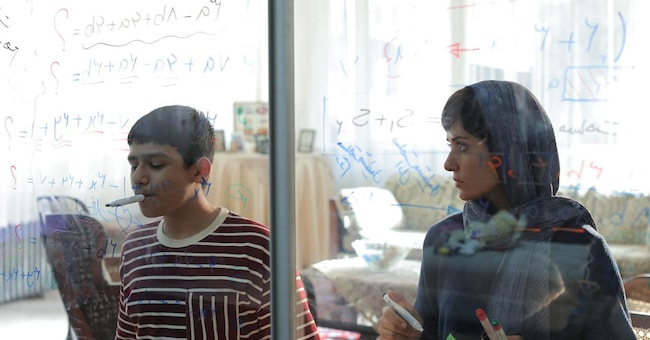
This film opens and closes with a glass wall and is above all a film of symbolic spaces: walls, columns and divisions of all kinds to metaphorically represent the sense of loneliness and contrast inherent in all the characters on stage.

Roustaee knows how to shoot and, above all, knows how to write, as demonstrated once again by a script that is well-calibrated in its dialogue, but less effective than usual due to a few narrative twists that are not very credible.

"Woman and Child wanes a little at a distance, but there are nevertheless notable flashes in the film, valuable in demonstrating the aesthetic strength of a well-calibrated staging: it is above all in the glances between the various figures that much of the psychology of the characters, excellently played by an overall effective cast, is revealed.

Sentimental Value

Sentimental Value

.

Joachim Trier's Norwegian 'Sentimental Value', returning to the main competition at Cannes four years after 'The Worst Person in the World', for which Renate Reinsvee won the Palme for Best Actress, is also about family cracks.

The latter still stars in this new film, where she plays Nora, a television and theatre actress, daughter of a famous film director with whom she has an extremely complex relationship.

The two speak very little to each other, but the chance to get together could be a script the father has written hoping his daughter will accept the lead role.

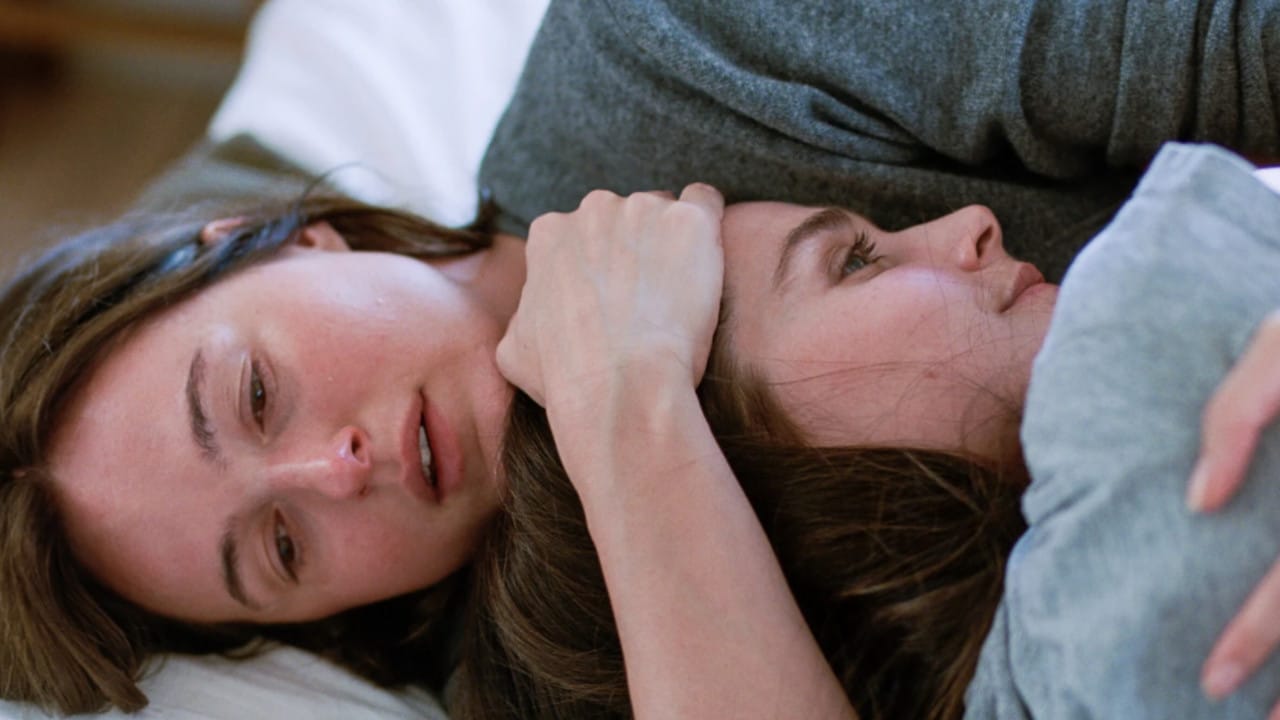
Mixing Ibsen and Woody Allen, Joachim Trier signs an intimate drama about memories, trauma and the possible reconciling power of art.

Sentimental Value' opens wonderfully and the whole first part has great pace, before the film ends up a bit stalling in a long central fragment where the old family home is depicted with somewhat pithy allegories about the passing of time.

In spite of some overabundance and some prolixity, the film nevertheless has a compelling emotional force and manages to be engaging right to the end. Renate Reinsvee is very good, but she is held up by an extraordinary Stellan Skarsgård in a role that is anything but simple.

Copyright reserved ©
Loading...

Brand connect

Loading...

Newsletter

Notizie e approfondimenti sugli avvenimenti politici, economici e finanziari.

Iscriviti