Female emancipation is also expressed in the choice of new mental clothes
Imitating the masculine to reaffirm equal performance has had its day. Now quiet femininity is reconciled with lightness and flexibility.

There is a German expression for the act of dressing up, of changing to go out, translated into Italian as mettersi in gherheri. It is said sich in Schale werfen, to throw oneself into the shell, into the bark. In order to show oneself to the world, one must provide oneself with - or reappropriate - a second skin, both physical and metaphorical. This second identity can cover up the first, because it is vulnerable, or it can go along with it, underline it and, perhaps, leave it free to be. It has happened to femininity to be covered by an anthropised shell (in the sense of adapted to the landscape defined by man), which equalled in look, much less in substance. A wardrobe of (fulfilled?) ambitions, of aspirations, of conquest, to act in competition and to fight on equal terms. I wanted trousers.
I wanted to do what a man does (from work to Ironman exertions), to dress like him (not only for imitation, but also because certain things are better done in trainers and overalls), to have the same mental clothes. Attitudes, posture, walking have become similar: the assimilationist model as a strategy to access denied spaces has shown its limits over time.
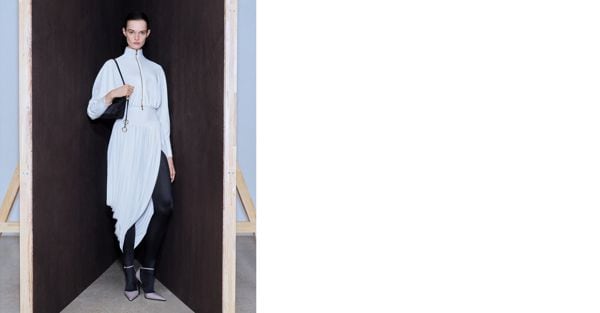
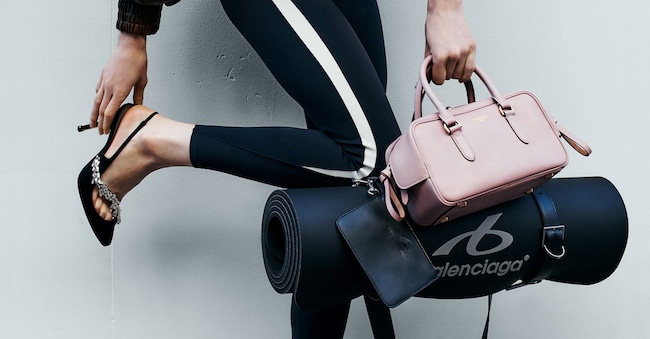
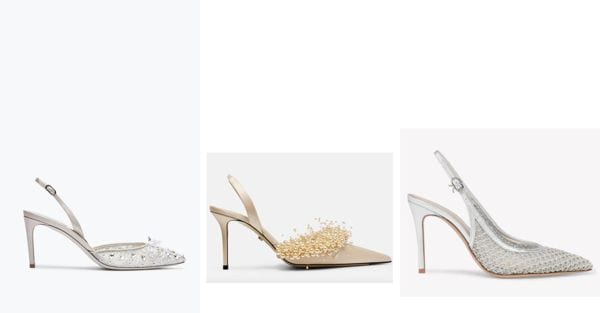
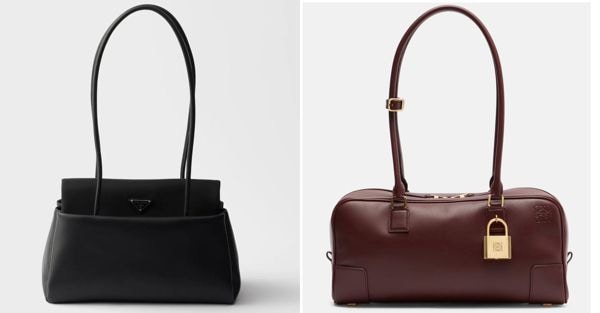
In the standardisation, that grace that is a value and not a pose has been lost, a precious and subtle delicacy, not frivolous or weak, but personal and composed of different nuances. The recovery of feminine awareness and energy is re-tuning femininity to its primary essence. An elegant, less awkward and masculine poise is what many women are asking for from some contemporary sports practices such as pilates, barre, and posture training. In the last three years in Los Angeles, the fitness mecca, requests and interest in ballet have increased by 75 per cent, and they involve mature women. Says Patti Ashby, US director of RAD, Royal Academy of Dance: it is not regression, but re-appropriation. It is a way of looking, of holding the centre of gravity, and of knowing how to maintain lightness even when gravity - of the situation or of the earth - calls. At the barre, one does nothing but train elevated grace (one stands on half-pointe as well as on heels) without renouncing a toned and even performing body, especially in flexibility and mobility, an emerging obsession and bulwark of longevity among women who love to age (gracefully and without joint pain). Toned, flexible and very feminine. Such women can wear sandals with crystals and gym leggings: it is perfectly consistent. If fitness disciplines have become age-agnostic, i.e. not reserved for a single age group, but adapted to the different eras of life, trends in nutrition are also defined in sync, i.e. suggesting a diet in sync with the hormonal phases, each with its own peak and its own needs, so that even the last insidious weapon of sabotage for women, that of unreliability due to fickleness, is defused. Yes, there are ups and downs and contradictions, they are part of femininity and a great advantage in terms of empathy, adaptability and intelligence of when, and besides, they are also contained in the oxymoron of soft power, gentle power, which belongs precisely to women. It is not force-based coercion, square shoulders and androgynous lines, but the ability to read between the layers of the possible, curves that allow resilience and sparks of intuition. It is a quiet femininity, but the tones are defined: 105 heel, satin, nude heel, crystals. The collaboration between Balenciaga and Manolo Blahnik, in the styling and vision contained in the images presenting the capsule, captures this fusion. The lightness of walking in precious sandals and the silhouette designed by a jumpsuit and a close-fitting bodysuit with portholes on toned, non-ephebic skin. The bags, always matched with sporty outfits, are not carrier bags, they are small to medium in size and have long handles to be close to the body. There is selection and care in the choice of what to carry: value is given to what is enough, without the demands of others to be multitasking weighing down the innate lightness.
Let's finish with make-up: the time for no make-up is almost over. Born as a reaction to the caricatured exaggeration of feminine traits (eyelashes, sculpted cheekbones, plumped lips), it has ended up becoming another norm, for an almost apathetic femininity. Today, instead, colour resurfaces. Not as a disguise nor as provocation, but as a vibration: a joyful presence, declared, not mutilated. Red on the lips, yellow on the eyes, warm touches that do not ask permission. As The Guardian summarises in a recent article dedicated to Jessie Roux, hairdresser and character in the series The Traitors: "Goodbye, clean-faced girl; welcome, flamboyant icon!". The flamboyant colours on her lips and eyes are a breath of life on the screens - and the make-up artists, at last, claim to be thrilled. So are we.