World Bank: gender equality at work would increase GDP by 20%
Women have only 64% of the legal protection of men. Closing this gap would double the global growth rate in the next decade

3' min read
Key points
3' min read
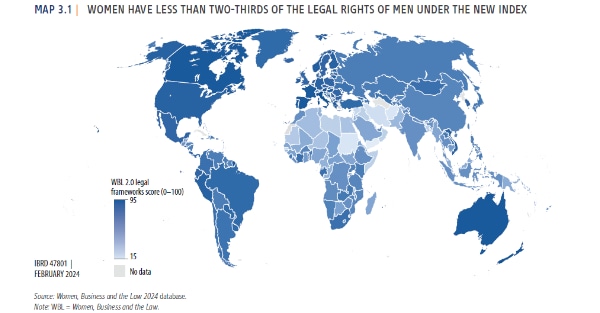
Half of the world's population does not have full rights. Indeed, current global laws imply that women enjoy about two-thirds of the rights of men. But even the rights that are granted to them cannot be exercised in their entirety, because countries on average have established less than 40 per cent of the systems necessary for their full implementation. The absolutely bleak picture, certifying the greatest discrimination in human history, emerges from the latest World Bank report "Women, Business, and the Law", published today.
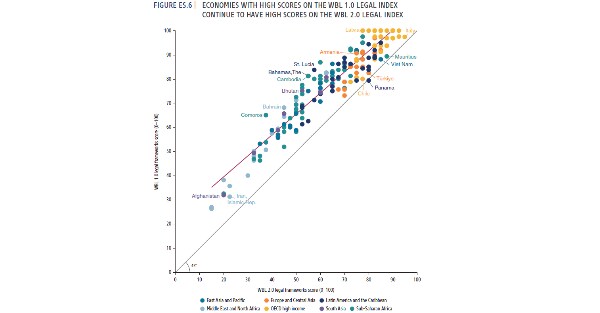
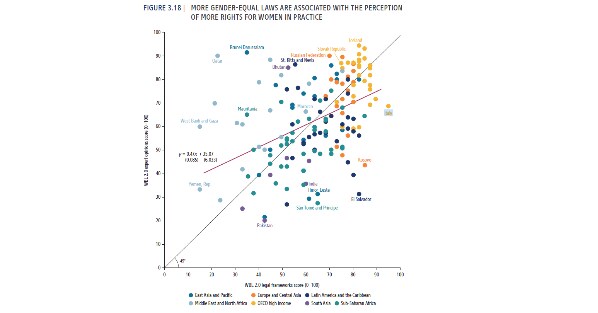
For the first time, this year's study assesses the gap between legal reforms and actual outcomes for women in 190 economies and the analysis reveals a staggering implementation gap. In 2023, governments promoted three categories of legal reforms on equal opportunities: pay, parental rights and workplace protection. However, almost all countries performed poorly in the two categories monitored for the first time by the report, namely access to childcare and women's safety. When these measures are included, women on average enjoy only 64% of the legal protections enjoyed by men, far less than the previous estimate of 77%.
Laws recognising women's rights are few and when they are passed, they are not fully implemented. And the World Bank gives a specific example to clarify the mechanism: 98 economies have adopted laws mandating equal pay for women for work of equal value to that of a man. Yet only 35 economies - less than one in five - have adopted wage transparency measures or enforcement mechanisms to address the pay gap. In fact, therefore, the right does not become effective.
The Flaw in the World of Work
.The global gender gap for women in the workplace is much wider than previously thought, the report shows. Starting with equal pay: women earn an average of 77 cents for every dollar earned by men. Moreover, globally 92 economies lack equal pay for equal work laws, in 20 women are banned from working at night, and in 45 they are not allowed to work in areas deemed hazardous to them.
"Women have the power to turbocharge the shaky global economy," said Indermit Gill, World Bank chief economist and senior vice president for development economics, who continued: "However, around the world, discriminatory laws and practices prevent women from working or starting businesses on an equal footing with men. Closing this gap could increase global gross domestic product by more than 20 per cent - essentially doubling the global growth rate over the next decade - but reforms have slowed to a crawl. WBL 2024 identifies what governments can do to accelerate progress towards gender equality in business and law'.