
World Cup, Italia out: the hefty bill on TV and the football system
Minister Abodi: 'I will ask for Gravina's resignation. Damage that may exceed 100 million between sports rights and advertising

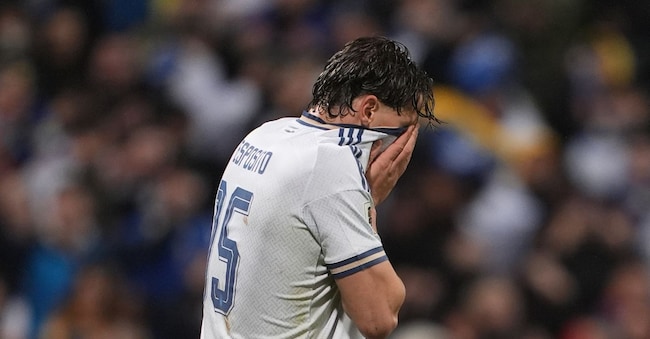
And to think that Rai Pubblicità had sold space to investors predicting Italia in the quarter-finals of the next World Cup in the USA, Canada and Mexico. Put like that, it may seem an act of faith. In reality, due to the operating dynamics of the advertising market in other events of this kind, Italia is sold in the finals, only to return discounts and space. A sign that, after two missed World Cups, Pindaric flights were not to be made at this stage. The earthquake is sporting, political and industrial at the same time. Italia's third consecutive elimination from the World Cup, at the hands of Bosnia, fully affects the FIGC and opens a showdown at the federal summit. The hardest blow, on an institutional level, came from the Minister for Sport, Andrea Abodi, who put the FIGC president, Gabriele Gravina, in his sights and openly spoke of the need to 're-found' Italia football, starting from 'a renewal of the FIGC top management. Will I personally ask Gravina to resign? I think so. I think it is appropriate (for the FIGC, ed.) a nice period of commissioner decantation'.
A line of 'renewal' for the FIGC that, according to what has filtered from Palazzo Chigi, is also shared by Giorgia Meloni. It is a sign that the defeat is not being read as a technical incident, but as the outcome of a systemic crisis. The presidents of the three Leagues, of the players and of the coaches will meet today from 2.30 p.m. in Via Allegri to take stock: the votes in the council were (and are) for Gravina, but in the face of the rising tide many of those summoned expect Gravina himself to give a signal.
But the point is that the exit from the World Cup does not stop at the palace crisis. It hits the profit and loss account of Italia football at the worst time: the 2026 edition will be played in the United States, the richest and most attractive market for sponsors, broadcasters and investors. For the FIGC, the damage is immediately visible. Sponsorship contracts foresee significant maluses in the event of non-participation: alone they are worth 9.5 million, to which lower revenues from merchandising and new commercial agreements are added. Added to this is the Fifa qualification premium, around 9 million, which will not enter the federal coffers. And then there is the lost potential of sports prizes linked to progress in the tournament. The estimated direct damage exceeds 50 million.
The long wave immediately moves to the media. Here, according to an estimate by Wpp Media, a World Cup like the American one can be worth around 90 million euros for the advertising market. Italy's non-participation can cost at least thirty million. But alongside direct advertising there are initiatives, sponsorships to consider. In short, it is well over 100 million euro between sports and media damage.
Within this framework there are those who, like the sports newspapers from the Gazzetta dello Sport downwards, although not directly concerned, cannot but feel the impact of Italia's exit from the World Cup from a distance. On the other side are the TV rights holders. The free-to-air ones went to Rai for 35 matches. The cost, with Italia in contention, according to market rumours, would have been around 120 million, but now dropped to 70 without the Azzurri. According to what has been reconstructed by Il Sole 24 Ore by listening to various media centres, the RAI had envisaged a revised offer estimating 30% less contacts without the Azzurri. The audience, with Italia at play, was estimated at 6.9 million viewers, to drop to 5.4 million without. In short, even in the face of understandable no-comments, a 20% cut in Rai's audience caused by the ko of Zenica is not peregrine. The rights for the entire event (104 matches) were instead acquired by Dazn. Rumours speak of an outlay of around 30 million. Even for the big sports streaming the backlash is to be expected, but in some ways less, since it is certainly not for the national team's matches that the public would have thought to refer to the platform.


