
Iran, the 'bazooka' of the IEA: release of 400 million barrels of oil. Trump at G7: 'Decisions of enormous importance'
The 32 member countries of the International Energy Agency put part of their emergency reserves on the market to cope with disruptions

Key points
Today, 11 March, the International Energy Agency announced the decision of its 32 member countries to make available to the market 400 million barrels of oil from their emergency reserves to deal with the disruption to oil markets caused by the war in the Middle East. This was announced by the IEA itself. This is a record volume, more than double the 182 million barrels released by the agency's member countries after the Russian invasion of Ukraine in 2022.
Germany unlocks strategic oil reserves
Meanwhile Germany has decided to release part of its strategic oil reserves in response to the sharp rise in energy prices linked to the war with Iran. This was reported by the German news agency Dpa citing informed sources. The decision comes after the conflict in the Middle East caused a sharp rise in oil and fuel prices. Prime Minister Sanae Takaichi also said thatJapan will release oil from its strategic reserves as Tokyo is also grappling with the consequences of the war in the Middle East. The release will start as early as 16 March, Takaichi said on Wednesday live on NHK.
Macron at G7: 'Reopen Hormuz as soon as possible'
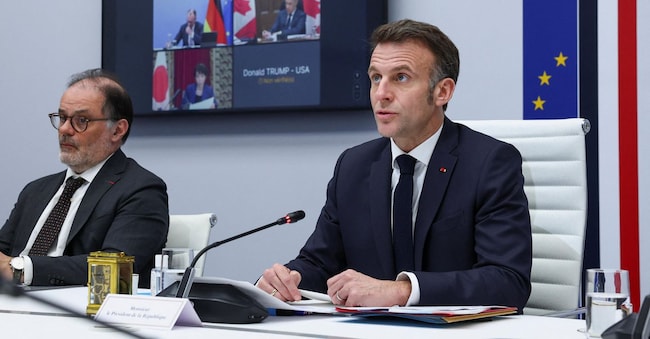
The meeting of the G7 heads of state and government, convened yesterday by videoconference by Emmanuel Macron, with France as president, is underway. The meeting aims to mitigate the economic consequences of the war in the Middle East and could become the global framework for several decisions that governments are already taking. Opening the video conference, the French president stressed the need to 'restore freedom of navigation in the Strait of Hormuz as soon as possible'. Macron also suggested calling on other countries to 'abstain from any restrictions on oil and gas exports, which could destabilise markets'.
Trump: from G7 decisions of 'enormous importance'
US President Donald Trump called the decisions taken by the G7 on the economic consequences of the war in Iran of "enormous importance". This was reported by Al Jazeera, which cites a short video released by the French presidency. "I think we are having an enormous impact, in fact unbelievable, on the world," Trump commented after receiving the floor from Emmanuel Macron, the G7's rotating president.
Von der Leyen: 'We pay for our addiction'
"Disturbances in the Gulf are rapidly affecting prices everywhere. We are already seeing price spikes. But no matter what measures are taken, as long as we import a significant share of fossil fuels from unstable regions, we are vulnerable and dependent. And this energy always has a cost. To give an example: since the beginning of the conflict, gas prices have risen by 50% and oil prices by 27%. Translating this figure into euros, 10 days of war have already cost European taxpayers an additional EUR 3 billion in fossil fuel imports. This is the price of our dependence'. This was stated by the President of the European Commission, Ursula von der Leyen, in her speech to the plenary of the European Parliament on the Iran conflict and the preparation of the European Council on 19 March.

