
Xiaomi, electric cars and memory chips slow growth
A down quarterly due to the global environment, with memories becoming more and more expensive
The global smartphone memory crisis, but also a less sparkling electric car market than expected, are impacting Xiaomi's accounts. In fact, the Chinese giant closed the first quarter of 2026 with a net profit down 57% to 4.72 billion yuan. The figure is worse than analysts' expectations, which predicted a 52% drop. Revenues also fell for the first time in almost three years: -11%, to 99 billion yuan.
Quite heavy numbers, but they reflect a global context with well-known criticalities. We were talking about the global memory crisis. Today, large chip manufacturers, including Samsung Electronics and SK Hynix, are focusing production on advanced memories used in data centres for artificial intelligence. This has reduced the availability of traditional memories and caused prices to rise rapidly.
Xiaomi, in this respect, is one of the hardest hit companies among the world's large smartphone manufacturers. According to IDC, global shipments of Xiaomi smartphones fell by 19 per cent in the first quarter of 2026, in a global market that fell by 2.9 per cent The company has strategically reduced production of low-end models precisely to limit the impact of rising memory costs. The most critical point, however, may still be unexplored. Because for IDC, the first quarter is only a foretaste of the difficulties expected in the rest of 2026, especially for companies exposed to the budget segment of the market.
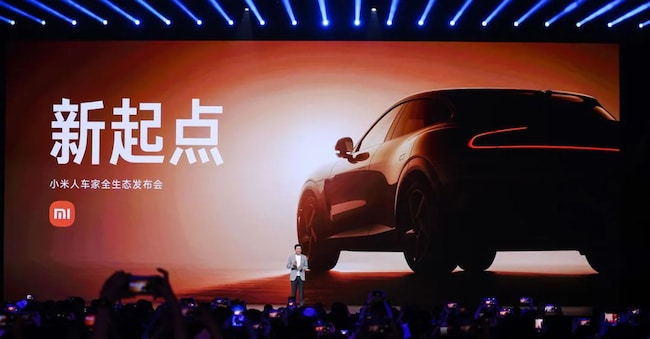
The electric car business also continues to generate losses. The division comprising EVs, AI and new ventures posted a loss of 3.1 billion yuan in the quarter. Xiaomi has delivered over 600 thousand cars since the launch of the EV project in 2024 and aims to reach 550 thousand deliveries in 2026. The company also wants to enter the European market next year.
It is worth mentioning that in recent weeks, the Chinese company expanded its range with a new high-performance version of the YU7 SUV and a cheaper variant designed to compete with the Tesla Model Y. Analysts have welcomed the new models, but the environment remains challenging. The Chinese electric car market continues to be marked by strong competition and shrinking government incentives. Two important variables for a company that for the time being only has the domestic market as an outlet on the car front.


