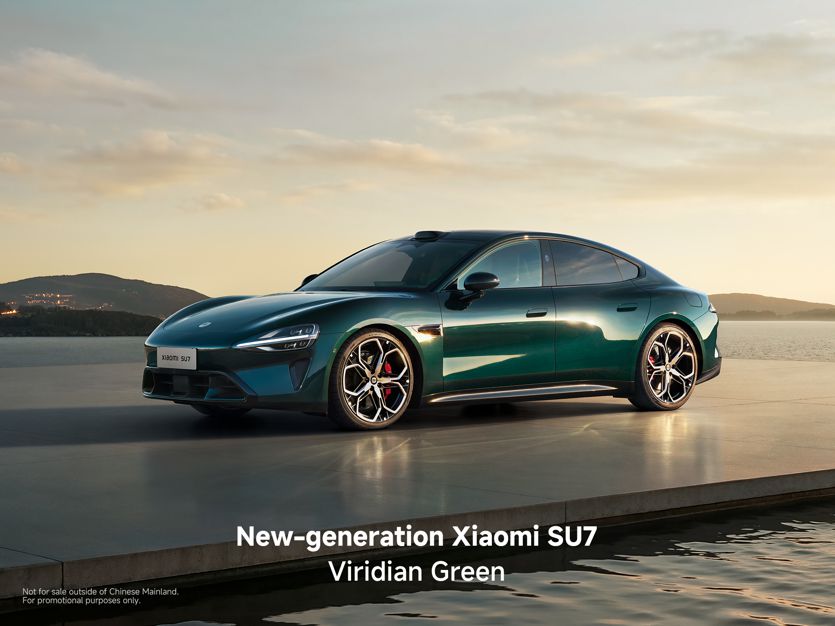
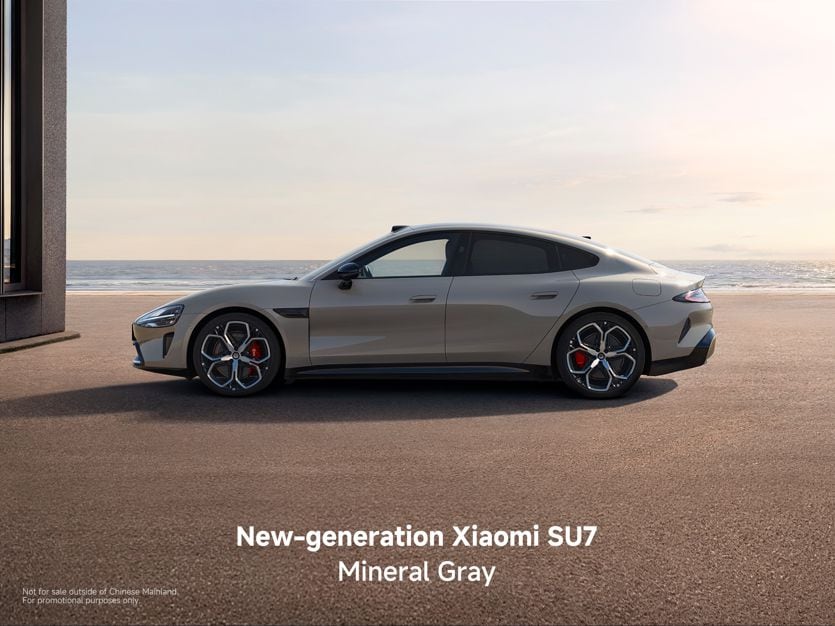
Xiaomi SU7 2026: we tested it in China. How it goes and how the revamped hi-tech sedan is built
With the renewal of the SU7, Xiaomi confirms that its entry into the automotive world was not an experiment but a serious industrial project with global ambitions. It will arrive in Europe next year


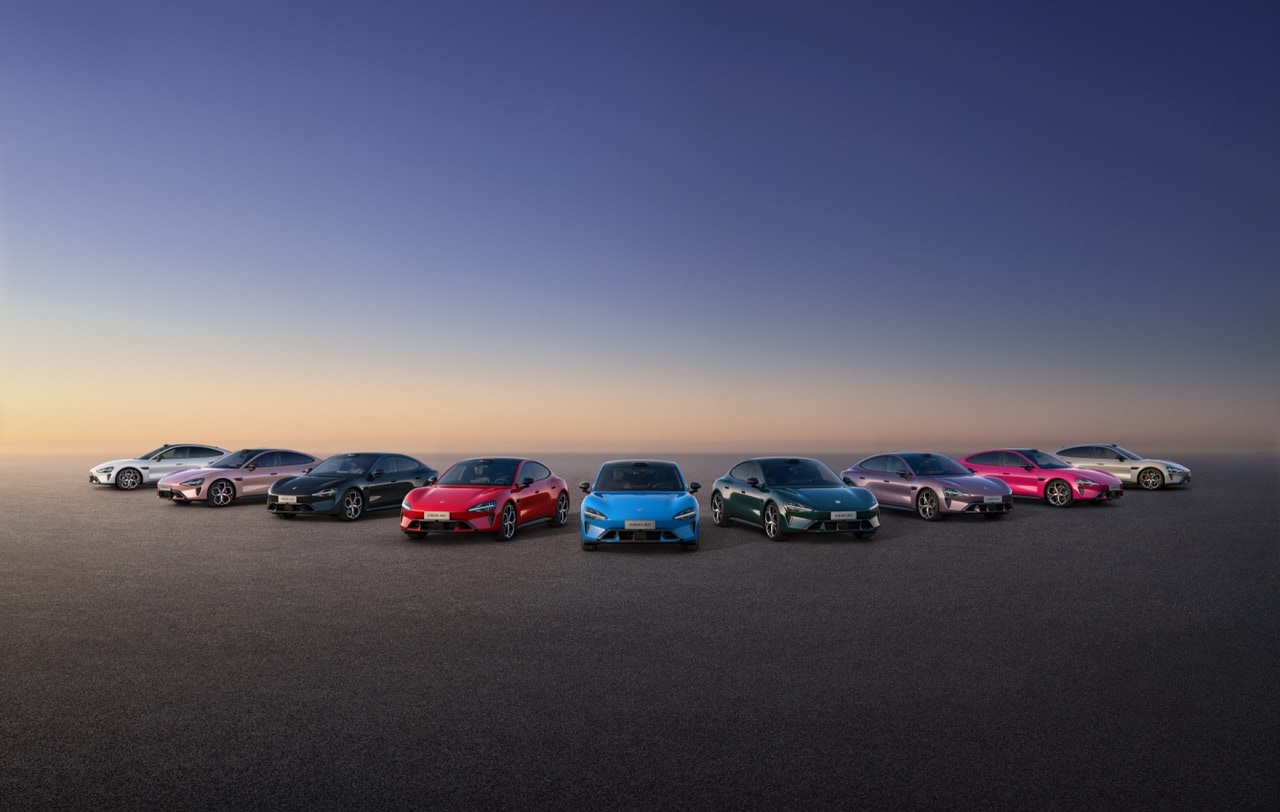
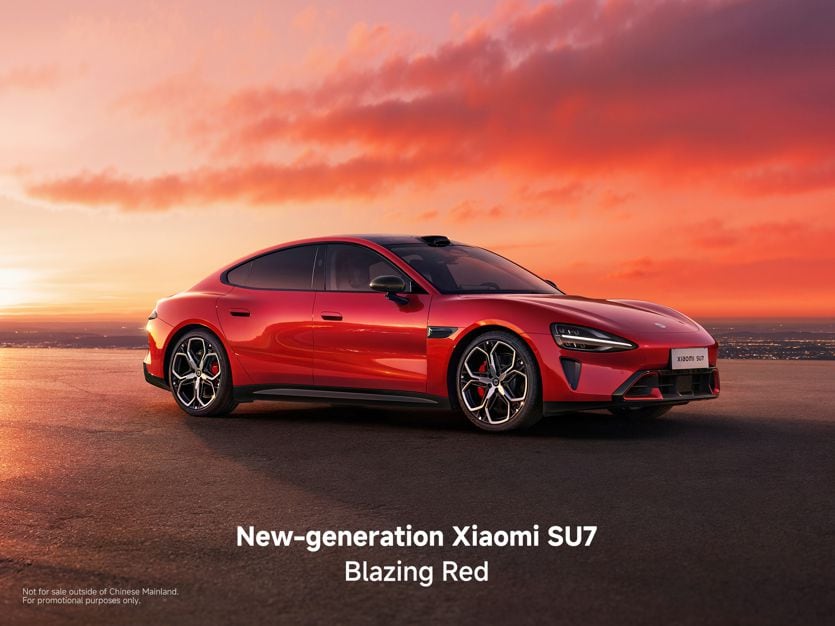
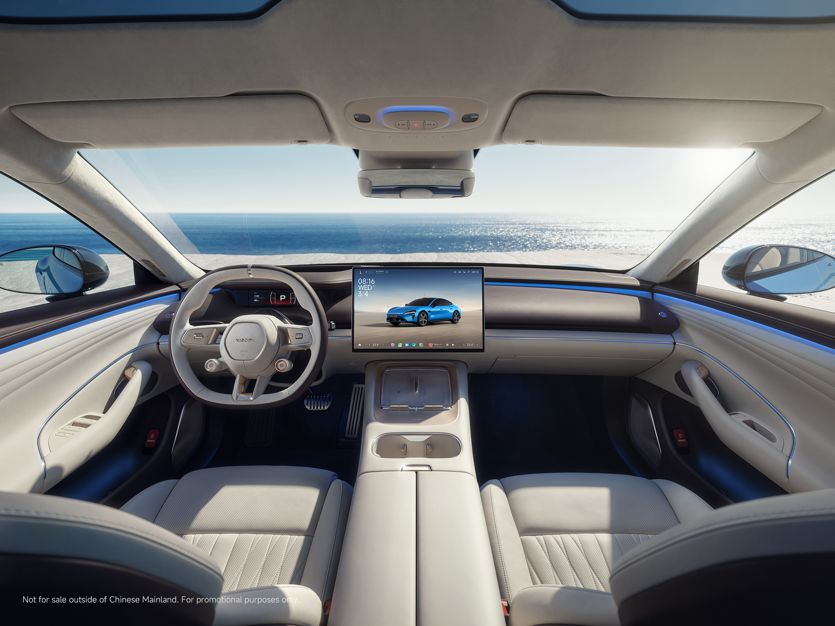
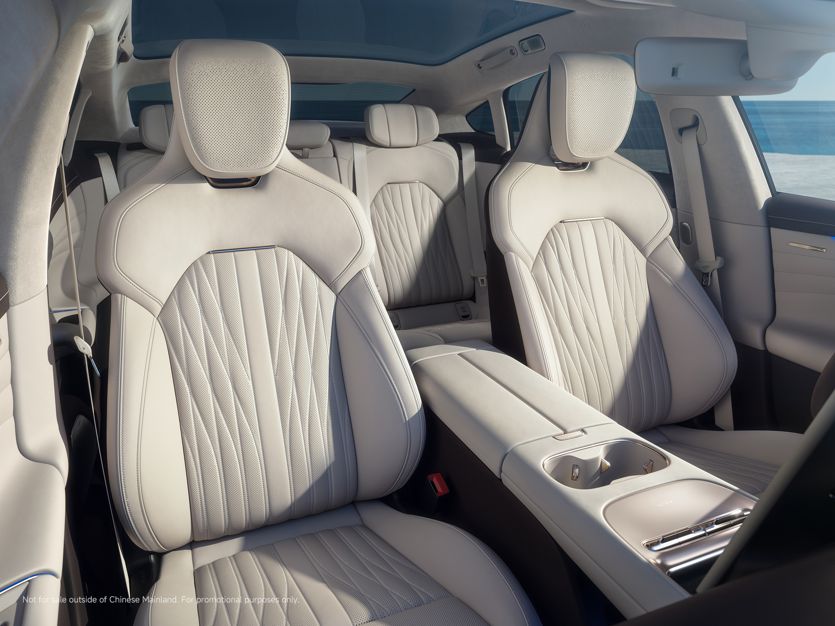
We had the opportunity to road test, in the hills around Beijing, the updated 2026 version of the Xiaomi sedan, the SU7, which is likely to be the first to hit the European market next year. Compared to the first version launched less than two years ago, Xiaomi has refined aesthetics, powertrain, on-board technology and safety. A number of European engineers and designers have put their hand to the project, but the result is impressive not only for its technological integration but also for its driving dynamics from decades of experience.
Xiaomi SU7, three versions, one common architecture
The new SU7 comes in three variants plus one: Standard, Pro and Max, plus the SU7 Ultra hypercar. They all share the same dimensions - five metres long, two metres wide and a three-metre wheelbase - as well as the same basic platform, with double wishbone suspension at the front and multilink suspension at the rear. The main differences concern the engines, the suspension system and some technological content.
The SU7 Standard mounts a 235 kW rear motor with a 73 kWh LFP battery, for a claimed cltc range (improved over wltp by about 20 per cent) of 720 km and a 0-100 in 5.28 seconds.
The SU7 Pro retains the same drive unit but adopts a 96.3 kWh LFP battery, bringing the range to 902 km (the highest in the range) with a 0-100 in 5.7 seconds. It also adds semi-active dual-chamber air suspension and continuously controlled shock absorbers.