
Xiaomi will launch an eSUV in Q1 2025
Likely debut between February and March next year

2' min read
2' min read
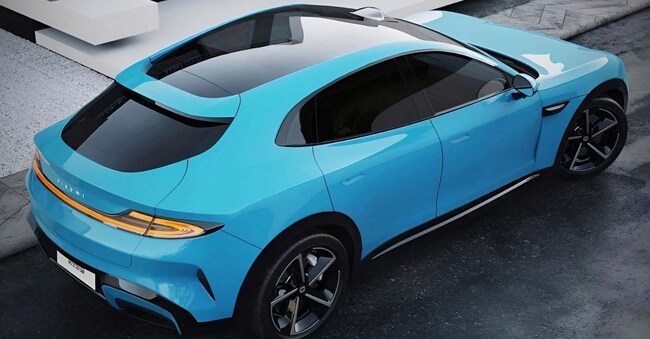
According to Chinese media reports, a second Xiaomi vehicle, an SUV currently known by the codename MX11, will be launched in the first quarter of 2025. It is also already known that the production version of the Xiaomi SU7 Ultra, the high-performance variant of the electric sedan that has seen booming sales in China, will be officially released in March 2025. According to an internal Xiaomi source, the SUV will be launched between February and March. However, another source close to Xiaomi says that the arrival of the SUV will coincide with the launch period of the SU7.
The sedan was revealed earlier this year (on 28 March), with deliveries starting a few days later. Although officially born as an SUV, the car's profile is very low and Internet users have pointed out that it has a similar shape and silhouette to the Ferrari Purosangue. However, the model also features some of the design elements of the SU7 such as headlights, continuous taillights, frameless doors and semi-hidden door handles. Although there is currently no shortage of renderings of what the car will look like, actual images of the vehicle still show heavily camouflaged test models.
Recently, a Weibo user reported seeing and providing a video of Xiaomi CEO Lei Jun personally testing the SUV on the highway. Xiaomi is working day and night to finish the second phase of its factory. However, it is unlikely that the plant will be completed and commissioned before summer 2025. The existing factory is already working two shifts and is unable to keep up with demand for the SU7, which could impede the company's plans to launch the SUV in the first quarter of next year. Given the strong likelihood that the SUV model will sell even better than the sedan, with the first phase of the factory already under stress to produce the SU7, launching it without having completed the second phase of the plant expansion could be a mistake. Another possibility is that the factory will switch to a three-shift model to try to maximise resources.

