
You don’t need a set format to enjoy a glass of wine (especially if it turns into a performance)
Wine lends itself wonderfully to storytelling; it is a cultural product even before it is a commercial one. However, not every bottle needs a launch event, nor does every bottle have to leave an indelible mark: some can simply contribute to a lovely evening

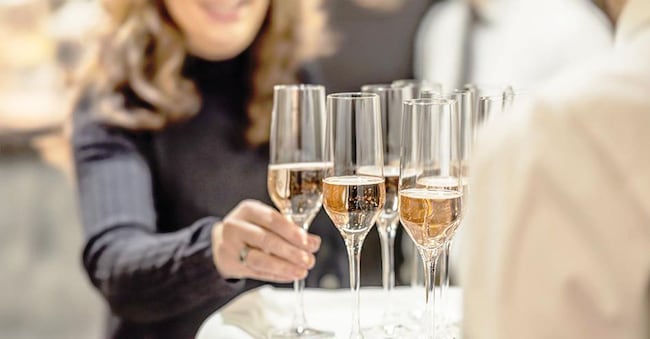
There was a time when, to enjoy a good wine, all you needed was a bottle and the desire to spend time together. Today, we risk needing a format as well. The producer tells the story, the expert introduces the wine, the sommelier explains, the glass is carefully selected and the tasting promises to engage all the senses. If possible, even the soul. Because these days, it’s not just about uncorking a bottle; it’s about creating an experience. And, of course, it’s all about storytelling.
The word has become a sort of catch-all. It applies to a dinner at a restaurant, a holiday, a visit to a winery, or an aperitif. Everything must leave something behind: a memorable experience, a great photo, a story to tell. Wine, which has always had plenty of stories to tell, has found itself right at home in this new economy of attention. Perhaps a little too much so.
After all, wine lends itself perfectly to storytelling. It features landscapes, characters, traditions, families, challenging vintages, climate change, courageous decisions and a few inevitable legends. It is a cultural product even before it is a commercial one, and telling its story is part of its charm. The problem arises when, in order to sell it better, it is no longer enough simply to make a good wine: you also need to craft a compelling story around it. Preferably one that is memorable, moving and social-media-friendly. Because a good bottle is important, but a bottle with a story seems to be worth even more.
Take wine tastings, for example. In the past, people used to taste wines, ask questions and discuss them. Today, you can embark on sensory journeys, emotional explorations and immersive experiences. The glass becomes a must-have, the bottle a pretext for a story, and the region a backdrop to be explored whilst remaining comfortably seated. It’s all very interesting, of course. But I don’t believe that every bottle needs a launch event.
The wine glass is at the centre of a minor revolution. Shape, size, rim, thickness: every detail can make a difference, and often does. Then, however, there comes a moment when the table looks as though it’s set for a crystalware conference. You change glasses, you examine them, you pour, you wait whilst, in the meantime, someone has already finished their wine.


