Third sector

Young people and social exclusion: here’s how to measure the impact of the not-for-profit sector

The 692 initiatives funded by Intesa Sanpaolo to the tune of 183 million generated 2.9 euros for every euro invested. The stories of the Giada and l’Arco co-operatives

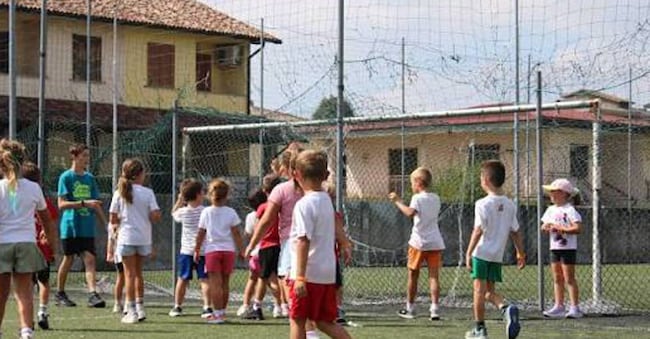
Ragazzi che giocano in oratorio (Ansa)

4' min read

Translated by AI
Versione italiana

4' min read

Translated by AI
Versione italiana

The value of social impact in Italia, generated by initiatives promoting the social and labour market inclusion of young people, is on the rise: this is borne out by data from Intesa Sanpaolo and Prometeia, presented at the second event in the series ‘The Value of Social Impact’, which focused on pathways to independence for young people facing hardship.

The data highlight how the projects supported by the bank help to tackle some of the key vulnerabilities affecting younger generations – from job insecurity to social isolation – whilst generating lasting benefits for individuals, families and communities. The 629 initiatives funded to the tune of 183 million euros will generate social benefits worth approximately 530 million euros, equivalent to 2.9 euros for every euro funded.

Loading...

The diagnostic profile and treatment outcome

This report by InTherapy, a centre for cognitive-behavioural psychotherapy offering both online and face-to-face sessions in Milan, is based on an analysis of 4,077 patients, 259 of whom were aged between 18 and 22, and provides a clinical perspective on psychological distress in post-adolescence. It is interesting to note that amongst the very young (aged 18–22) as many as 92 per cent have at least one diagnosis from the triad of anxiety, personality disorder and depression and 68 per cent have comorbid conditions. Anxiety, at 33.2 per cent, is the most common disorder, affecting both the 22–35 age group (33.3 per cent) and those over 35 (27.7 per cent). Furthermore, among the 18–22 age group, 68 per cent of those seeking help are young women.

More generally, the fact that 39 per cent decide to stop treatment without reaching an agreement with their therapist is a significant and alarming figure. The key point, it is explained, is in fact ‘to persuade young people to continue with therapy’.

Intesa Sanpaolo’s impact assessment (Rim) and the 629 initiatives 

Rim is precisely the process through which the Impact Department of Intesa Sanpaolo’s Banca dei Territori division has, since 2022, been assessing the social impact of loans granted to support projects run by third-sector organisations, combining dialogue on resources and outcomes with a focus on the change to be brought about.

The survey shows that, of the 629 initiatives assessed, the social impact amounts to 530 million euros, approximately three times the funding provided, which stands at 183 million euros (the figures relate solely to new initiatives funded in 2025). There are two key sectors in the fight against social isolation and precariousness amongst young people: sport and recreation (with 93 active initiatives) and education and training (with 86 active initiatives). In the first case, the amount funded by the bank is €18 million, and 182,000 people took part in sporting and recreational events (of whom over 73,000 were under 25); in the second, the figure is as high as 22 million euros, with over 15,000 young people supported, whilst career guidance and employment integration programmes have been facilitated for a further 10,000 people.

A focus on two key sectors

The research focuses on two key sectors. As regards education and training, there are over 15,000 people in need of skills development and over 9,000 who need to be integrated into the labour market. One figure illustrates the importance of the project: 59 per cent of the initiatives considered funding to be crucial.

The SROI – that is, the expected benefit per unit of funding – is 3, with peaks in the career guidance category (3.5) and the university category (3.4). The expected impact is greater economic and psychological well-being, with social benefits estimated at 65 million euros. As regards the sport and recreation sector, 54 per cent of initiatives considered the funding to be crucial. In this case, the SROI is 3.5, with the highest figure relating to sporting activities (3.6), and the estimated social benefits amount to €62 million. The breakdown of the expected impact by type of benefit shows physical wellbeing in the lead, followed by economic wellbeing.

Confirmed cases

One notable example is undoubtedly the Giada Onlus social co-operative, which has been working since 2010 to provide reception services for asylum seekers and beneficiaries of international protection, as well as support for young people; it operates in the Fortore and Alto Sannio areas, in the province of Benevento. The co-operative has developed the ‘La Pineta’ project, which aims to create and provide pathways to social and labour market inclusion for those in its care, as well as for young people and adults in the local area facing socio-economic vulnerability: ‘La Pineta’ facilitates the entry into employment of 5,000–6,000 beneficiaries through its training and support programmes.

Another example is the ‘Exit’ project run by the social co-operative L’Arco in Piacenza: in this case, 200 young people – aged between 11 and 18 – are at the heart of an educational partnership with local communities and stakeholders aimed at preventing social withdrawal. Also worth mentioning from the same social cooperative is the Iceberg project, which carries out prevention work in schools on the risks associated with gambling by involving communities and families.

Loading...

“The data,” explained Andrea Lecce, head of the Impact Division at Intesa Sanpaolo’s Banca dei Territori, “confirm that investing in young people means generating value for the whole community. Our impact assessment shows that initiatives supported in the areas of training, employment integration, sport and socialisation generate a social return of more than 3 euros for every euro funded. This evidence helps us to channel lending towards projects with the greatest social impact and to support third-sector organisations in growing their activities and their impact on local communities.”

Copyright reserved ©
Loading...

Brand connect

Loading...

Newsletter

Notizie e approfondimenti sugli avvenimenti politici, economici e finanziari.

Iscriviti