
Yves Rocher: 35 years of supporting the environment and women through its Foundation

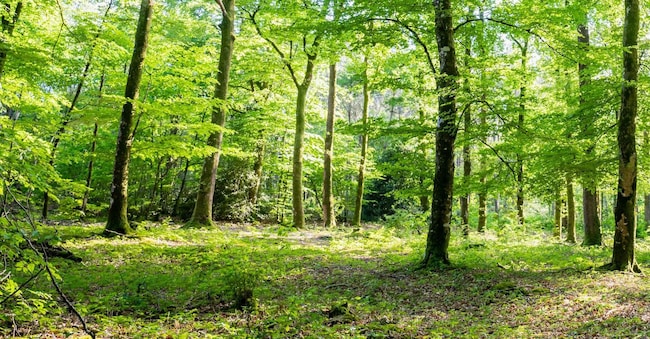
The Yves Rocher Foundation, born out of the founding family’s vision and love for the plant world and operating under the auspices of the Institut de France, is celebrating a historic milestone this year: 35 years of unwavering commitment to protecting biodiversity and supporting women’s empowerment. Recognised for the past five years as a public-interest organisation — a legal status that guarantees its independence, transparency and long-term impact in the public interest — the Foundation, established in 1991 by Yves Rocher, has for over three decades been promoting initiatives aimed at strengthening the deep bond between people and nature, supporting environmental conservation programmes and reforestation efforts in collaboration with associations, NGOs, farmers and local organisations.
Ever since its inception, the Foundation has been guided by a profound philosophy, based on the idea that nature is not merely a backdrop, but our very lifeblood. This story of passing on knowledge and responsibility has its roots in La Gacilly, in Brittany – a true pilot region and laboratory for ecological transition – where the journey began with the creation of the first arboretum in partnership with local schools, a model that has now inspired some 500 arboreta worldwide. Over thirty-five years of global activity, its mission has remained clear and ambitious: to take concrete action to reconnect humanity with nature, preserve the richness of ecosystems, and support those who, every day, act as guardians of the planet to ensure a future for coming generations.
Throughout its long history of environmental and social responsibility, the Foundation has developed and consolidated major international programmes which today stand as true pillars of solidarity and environmental action. Among these, “Terre de Femmes” stands out: an international award that celebrates the transformative power of women, supporting environmental leadership and sisterhood within a dynamic network of over 500 women leaders across more than 50 countries. These pioneers work directly on the ground in agroecology, the protection of flora and fauna, sustainable water and waste management, and the fight against climate change, supported by a global grant allocation which will reach 60,000 euros by 2026; a crucial contribution, given that, according to international data from WEDO, only 0.2 per cent of global philanthropic funding is allocated to organisations that combine the cause of women with environmental protection. This commitment finds its fullest expression in the 2026 edition of the Prix Terre de Femmes: to celebrate both the Foundation’s 35th anniversary and the programme’s 25th anniversary, the national and international editions have come together in a single global call for entries dedicated to the theme ‘The Tree, Guardian of Life”.
This year’s winners were recognised for their practical projects aimed at protecting forest ecosystems, community-led reforestation and biodiversity, and received significant financial support to amplify their impact on the ground. Running in parallel and with equal vigour is ‘Plant for Life’, the ambitious global tree-planting initiative launched in 2007 in response to the universal call to care for the Earth. Thanks to scientific and on-the-ground collaboration with 71 partner organisations, this programme has achieved the extraordinary milestone of planting over 135 million trees worldwide to regenerate the soil, at the remarkable rate of one tree planted every 30 seconds, with the active involvement of over 130,000 students in ecological restoration projects.


