Zed and the luxury: young people write the future of luxury
Over one hundred students under 30, more than 2,000 participants, over one hundred start-ups: the results of the research conducted in collaboration with the Luiss Guido Carli University on the most promising generation of consumers (and potential entrepreneurs).

What is the relationship between young people and luxury? Gen Z is both the most elusive and the most courted generation of consumers: a significant slice of the market, with partially new expectations, values and preferences that brands are trying to intercept. But Generation Zeta also represents the future of entrepreneurship and creativity made in Italy. For this reason, HTSI launched the first Luxury Start Up Award in 2024, and selected and rewarded the ten most innovative realities in fashion, design, cosmetics, hi-tech and art. Launched at the end of the magazine's ten-year anniversary celebrations, it is part of a broader and more articulated project, created with the aim of giving visibility and support to the builders of the future.
While the Award will return with a second edition in 2026, this year the focus on Gen Z has moved to the university, thanks to a collaborative project with the Luiss University. "Experiences such as this one represent the heart of our educational approach: putting students in contact with real challenges and bringing out and training their entrepreneurial mindset and design thinking ability," says Michele Costabile, the rector's advisor for the development of the university's Entrepreneurship, Venture Capital and Start-up Ecosystem.
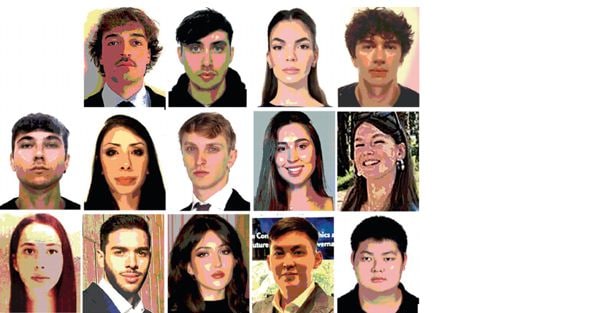
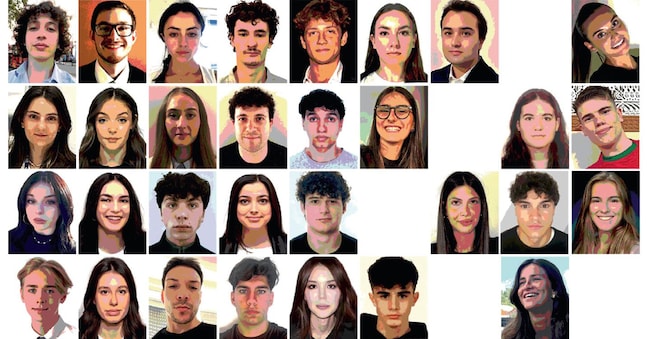
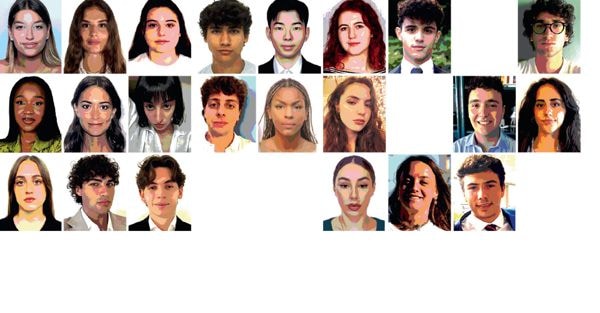
Ten luxury verticals, 20 teams, 22 nationalities, 106 start-ups identified, 115 students involved, 143 people interviewed in the focus groups, 819 pages produced, 2,185 survey participants: these are the numbers of the research developed with the students of the Entrepreneurship, Innovation And Technology course, in the final year of the three-year course in Economics and Business at Luiss, led by Professors Bisan Abdulkader and José D'Alessandro. "There is a lot of research on the relationship of Generation Z with luxury, but this is, to my knowledge, one of the very few carried out by the students themselves," explains D'Alessandro. Here is what emerged in a survey developed over a semester.
The PERIMETER OF THE SURVEY AND THE FOCUS GROUPS
Ten in-depth verticals were identified, using the luxury market segmentation elaborated in Bain's market study with Altagamma as a guideline. Subsequently, this subdivision was refined and brought down to five main areas: that of personal luxury goods (fashion, leather goods, shoes, watches, jewellery and beauty); that of luxury experiences (hospitality, fine dining and gourmet, art and exclusive events); that of high-end design (furniture, home décor, interior design); that of luxury mobility (cars and vehicles, private jets, yachts); that of digital luxury (gaming and digital collectibles and e-commerce luxury platforms).